

All Topics

October 1, 2026 • 8 Minute Read
Called to Serve: Assistant Pastors
Exodus 17:8-13; 24:13; 33:11; Numbers 27:18-23 Scripture gives us no single verse that defines the office of assistant pastor the way it defines the senior pastor or the deacon. Instead, God gives us something instructive, the lives of men who served faithfully alongside another. In the life of Moses, we find two pictures: Aaron and Hur, who held up his hands in battle, and Joshua, who was quietly shaped for leadership over many years. Together, they show us the two halves of this calling, sustaining the man God has placed over you, and being shaped by God in the process. Aaron & Hur: Holding Up the Hands Israel was under attack by Amalek at Rephidim. Moses sent Joshua down into the fight, while he himself climbed a hill overlooking the battle, staff in hand. Exodus 17:11
And it came to pass, when Moses held up his hand, that Israel prevailed: and when he let down his hand, Amalek prevailed As long as Moses' hands stayed lifted, Israel had the victory. But Moses was a man, and even a godly man's arms become heavy. Exodus 17:12
But Moses' hands were heavy; and they took a stone, and put it under him, and he sat thereon; and Aaron and Hur stayed up his hands, the one on the one side, and the other on the other side; and his hands were steady until the going down of the sun. What Aaron and Hur Teach Us 1) They held him up, they did not take his place.
Aaron and Hur never reached for the staff. They did not step in to lead the battle or claim any credit for what God did that day. Their whole contribution was simply to keep Moses steady. This is the heart of what an assistant pastor does, he strengthens the man God has placed over him; he does not compete with him. 2) They noticed before they were asked.
Nobody had to tell Aaron and Hur that Moses was struggling. They saw his hands growing heavy, and they acted. Much of faithful ministry is simply paying close enough attention to notice when your leader is growing weary, and stepping in before they ever have to ask. 3) Their work was not glamorous, but it mattered.
No sermon was preached from that hilltop. No miracle was performed by Aaron or Hur. They simply held up arms until the sun went down. So much of this kind of ministry looks exactly like that - quiet, repetitive, tiring, and unnoticed by anyone watching from a distance. But without it, the battle would have been lost. 4) Their faithfulness on the hill won the battle in the valley.
“And Joshua discomfited Amalek and his people with the edge of the sword” (Exodus 17:13). The fighting happened below, but the outcome was decided above, by men who refused to let tired arms decide the day. When those who assist a pastor stay faithful in quiet, unseen ways, the whole church benefits, even those who never once look up at the hill. This picture is not an isolated exception, it is a pattern God builds into how His people are meant to carry burdens. Ecclesiastes 4:9-10
Two are better than one; because they have a good reward for their labour. For if they fall, the one will lift up his fellow: but woe to him that is alone when he falleth; for he hath not another to help him up. And Paul commands the church at Galatia in words that could have been written about that very hillside: Galatians 6:2
Bear ye one another's burdens, and so fulfil the law of Christ. Assistant pastors live this out at the leadership level, but this is not only a pattern for pastors, it is a pattern for the whole church family. Someone near you is carrying heavy arms today. Joshua: The Minister Who Was Being Made Ready Long before Joshua ever led Israel into the promised land, his name shows up quietly, again and again, beside Moses. Scripture gives him a title easy to skim past, but worth considering - he is called Moses' “minister.” Exodus 24:13
And Moses rose up, and his minister Joshua: and Moses went up into the mount of God. One of the most telling verses about Joshua has nothing to do with leadership at all: Exodus 33:11
And the LORD spake unto Moses face to face, as a man speaketh unto his friend. And he turned again into the camp: but his servant Joshua, the son of Nun, a young man, departed not out of the tabernacle. Moses would meet with God and then return to the camp, but Joshua remained behind, alone, in the tabernacle. No one was watching. No assignment required it of him. He simply stayed in the presence of God because he loved being there. This is the kind of hidden faithfulness that shapes a man's heart long before God ever hands him something public to lead. What Joshua's Life Teaches Us 1) He was being shaped, not just used.
Those years beside Moses were not only about getting things done. They were formation. God was quietly building within Joshua the character and dependence on God he would need decades later. If you are serving alongside leadership right now, this season is not wasted. Whether or not you are ever asked to lead publicly, God is building something in you that you will need later, even if you cannot see it yet. 2) Nearness to God matters more than nearness to the platform.
Joshua's greatest qualification was not his skill in battle, it was that he lingered in the tabernacle. Time spent in prayer and in the Word, when no one is watching or applauding, is what makes public ministry bear fruit that lasts. 3) God's timing, not personal ambition, moved him forward.
When it finally came time for Joshua to lead, it did not happen because he pushed for it: Numbers 27:18, 23
And the LORD said unto Moses, Take thee Joshua the son of Nun, a man in whom is the spirit, and lay thine hand upon him... And he laid his hands upon him, and gave him a charge, as the LORD commanded by the hand of Moses. The Lord directed it. Moses commissioned it publicly, before the whole congregation. And the people recognized it. Joshua never appointed himself, and he never campaigned for the role. This remains the pattern God honors today, leadership that comes through divine calling, not simply ambition. 4) Small, hidden faithfulness always comes first.
Joshua served quietly beside Moses for roughly forty years before he ever led Israel across the Jordan. There is no shortcut in Scripture. God is patient, and He proves men in the small places long before He entrusts them with the large ones. When Moses finally laid his hands on Joshua, Scripture tells us exactly what resulted: Deuteronomy 34:9
And Joshua the son of Nun was full of the spirit of wisdom; for Moses had laid his hands upon him: and the children of Israel hearkened unto him, and did as the LORD commanded Moses. This wisdom did not appear in Joshua overnight, it was the fruit of years spent near Moses, watching him pray, watching him lead, watching him fail and repent and trust God again. This is exactly the pattern Paul later instructs Timothy to continue: 2 Timothy 2:2
And the things that thou hast heard of me among many witnesses, the same commit thou to faithful men, who shall be able to teach others also. Faithful men, teaching faithful men, who go on to teach others. This is not a modern leadership strategy, it is simply how God has always grown His church, one faithful life poured into another. A Challenge for All of Us Jesus captured what made Joshua ready long before Israel ever knew his name: Luke 16:10
He that is faithful in that which is least is faithful also in much: and he that is unjust in the least is unjust also in much. An assistant pastor's calling holds both of these truths together. Like Aaron and Hur, he is called to sustain, to notice weariness, to hold up tired hands, and to strengthen the man God has placed over him without ever seeking to replace him. And like Joshua, he is called to be shaped, to remain faithful in hidden, unseen places, trusting that God is building something in him for a purpose only the Lord fully sees. If you are serving in a supporting role right now, in pastoral ministry or anywhere else in this church, don’t be discouraged in the tent or weary in holding up the hands of another. The Lord is not wasting this season. Every one of you who serves faithfully where no one is watching is needed. Next in this series: How These Offices Work Together Available Thursday, October 8, 2026.


September 24, 2026 • 4 Minute Read
Called to Serve: The Deacons
The word “deacon” simply means servant, and that tells us a lot about the office before we read another verse. Our deacons are not just a governing board, and they are not a junior version of the pastorate. They are godly, spiritually qualified men, set apart to care for the real, practical needs of this church family, so your pastor can remain devoted to prayer and the ministry of the Word on your behalf. Where This Calling Began The office of deacon grew out of a real problem in the early church. Widows were being overlooked in the daily distribution of food, and it grieved the congregation. Here is how the apostles responded: Acts 6:2-4
Then the twelve called the multitude of the disciples unto them, and said, It is not reason that we should leave the word of God, and serve tables... Wherefore, brethren, look ye out among you seven men of honest report, full of the Holy Ghost and wisdom, whom we may appoint over this business. But we will give ourselves continually to prayer, and to the ministry of the word. The apostles did not consider the physical needs of the widows unimportant, they considered those needs important enough to entrust to godly, Spirit-filled men, so they would be cared for well. And the result was remarkable: Acts 6:7
And the word of God increased; and the number of the disciples multiplied in Jerusalem greatly. When deacons serve faithfully, the preaching of God's Word goes forward unhindered. These two callings were never meant to compete with each other. They were designed to free each other for exactly what each was made to do. Godly Men, Not Just Willing Hands Paul lays out real qualifications for deacons in 1 Timothy 3:8-13, sober men, not double-tongued, not given to much wine, not greedy, holding the mystery of the faith in a pure conscience, tested and found blameless, faithful husbands who lead their homes well. Our deacons are not simply the men who happen to be available or willing to work, they are men whose character has already been proven. The trust placed in them is spiritual before it is ever practical. What Deacon Ministry Looks Like Caring for our members' physical needs, especially during illness, grief, or hardship Helping carry the practical, everyday operation of the church so your pastor is free for prayer and the Word Living as examples of godly character and faithful households within our congregation Standing ready to quietly meet needs as they become known, often without ever being asked Guarding the peace and unity of this church family alongside pastoral leadership The Example Christ Himself Set If our deacons ever wonder whether their service is truly significant, they need only remember whose example they are following. Jesus told His disciples plainly what greatness looks like in His kingdom: Matthew 20:26-28
But whosoever will be great among you, let him be your minister; And whosoever will be chief among you, let him be your servant: Even as the Son of man came not to be ministered unto, but to minister, and to give his life a ransom for many. Our Lord washed feet. He served in like manner long before He ever commissioned seven men to serve tables in Jerusalem. When a deacon serves quietly and without recognition, he is not doing lesser work, he is walking in the footsteps of Christ. Paul promises that this service is never wasted, even when no one else notices it: 1 Timothy 3:13
For they that have used the office of a deacon well purchase to themselves a good degree, and great boldness in the faith which is in Christ Jesus. Faithful service in this office does not go unnoticed by God, even on the days it goes unnoticed by everyone else. Why This Matters to You If a meal has ever appeared at your door during a hospital stay, if someone has ever quietly checked on you during a hard season, or helped you with something you did not even have to ask twice for, you have likely already seen deacon ministry at work. It is often hidden, but it is no less precious to this church family. Our deacons free your pastor to feed and watch the flock, and in doing so, they serve every one of us.Learn more about our current Deacons Next in this series: Assistant PastorsAssistant Pastors
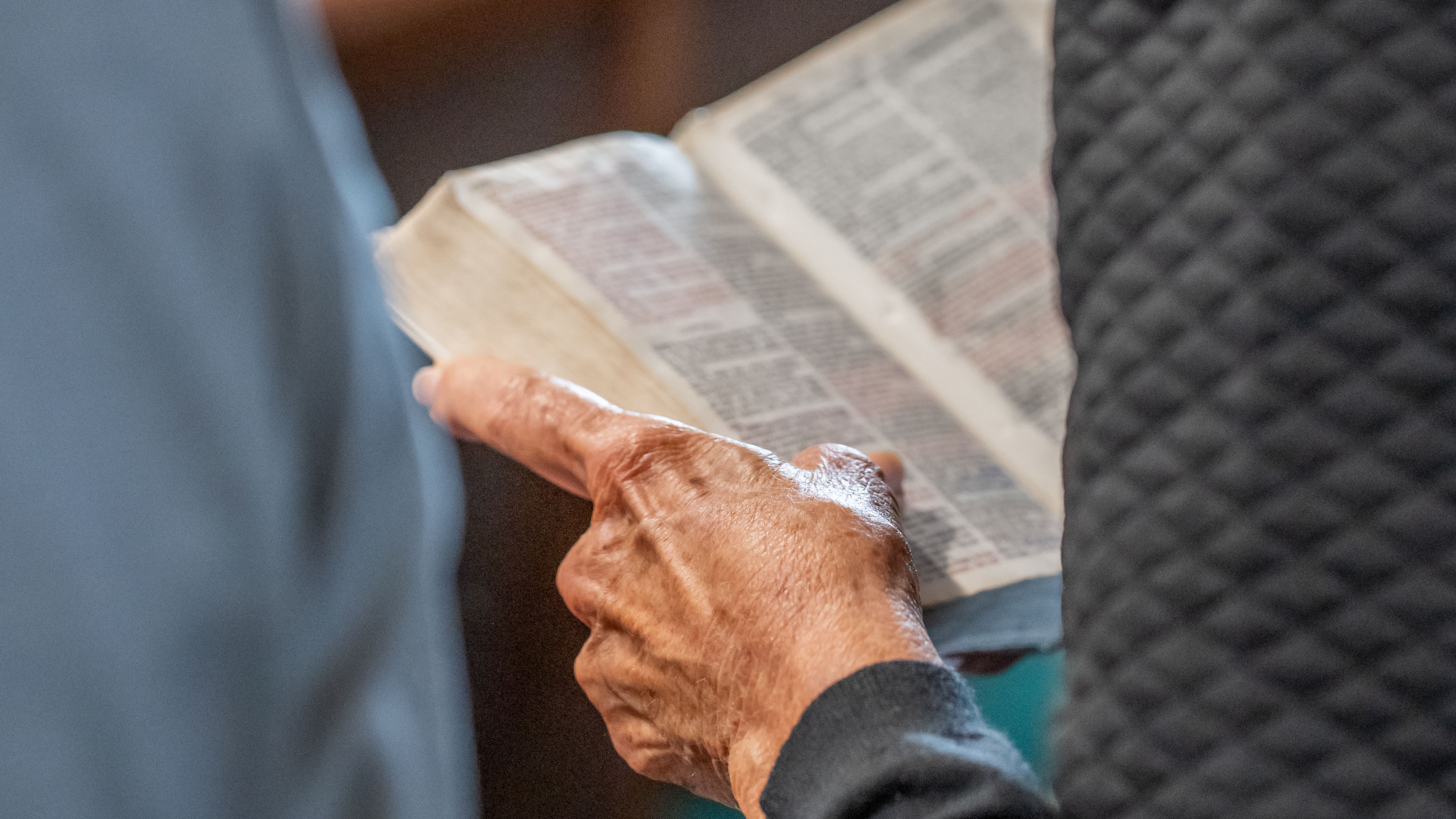
September 17, 2026 • 5 Minute Read
Called to Serve: The Senior Pastor
Every church family looks to one man to carry the final weight of pastoral care, the senior pastor. This is not a position of convenience. It is a holy calling, and Scripture describes it in language that humbles the man who carries it and ought to deepen your love for him. Called to Feed and Watch When Paul left the elders at Ephesus, he gave them words that still define this calling today: Acts 20:28
Take heed therefore unto yourselves, and to all the flock, over the which the Holy Ghost hath made you overseers, to feed the church of God, which he hath purchased with his own blood. Feed and watch - this is the heart of the calling. A pastor feeds you through faithful, grounded preaching and teaching, week after week, so you are never left spiritually hungry. And he watches, aware of dangers you may not see, aware of the sheep who are struggling or straying, aware that every person sitting in that pew was purchased with the blood of Christ Himself. This is not a small thing to carry. Called to Give Account Peter, writing to fellow elders, describes this calling as both a privilege and a weight: 1 Peter 5:2-3
Feed the flock of God which is among you, taking the oversight thereof, not by constraint, but willingly; not for filthy lucre, but of a ready mind; Neither as being lords over God's heritage, but being ensamples to the flock. A true pastor never treats the flock as something he owns, the flock belongs to God. He leads by going first, not by just demanding others follow. And the writer of Hebrews adds a truth that ought to move us to pray earnestly for the men who shepherd us: Hebrews 13:17
They watch for your souls, as they that must give account. One day, your senior pastor will stand before God and give an account for how he cared for you. That is the weight behind every sermon prepared, every hospital room visited, and every hard conversation had in love, because he must care more about your soul than your comfort. A Calling Rooted in Love, Not Duty Before Jesus ever gave Peter a flock to feed, He asked him a question three times, and the order is worth noting: John 21:15
So when they had dined, Jesus saith to Simon Peter, Simon, son of Jonas, lovest thou me more than these? He saith unto him, Yea, Lord; thou knowest that I love thee. He saith unto him, Feed my lambs. Jesus did not ask Peter whether he was capable, trained, or confident. He asked whether Peter loved Him. Every faithful pastor's ministry flows from that same source, not duty first, but love for Christ first, and only then a love for His sheep that is willing to feed them, tend them, and feed them again (John 21:15-17). This is what truly qualifies a man to shepherd you. Paul calls this desire itself a good thing, not something to be ashamed of: 1 Timothy 3:1
This is a true saying, If a man desire the office of a bishop, he desireth a good work. It is good work, hard, humbling, and good. And it is work Paul says deserves our honor: 1 Timothy 5:17
Let the elders that rule well be counted worthy of double honour, especially they who labour in the word and doctrine. A Man Who Is Tested, Not Just Willing God does not leave the qualifications for this calling unclear. 1 Timothy 3:1-7 and Titus 1:5-9 lay them out in detail, a blameless life, sound doctrine, a well-ordered home, a good reputation even among those outside the church. This office is not granted because a man wants it or is willing to do it. It is granted to a man whose life and doctrine have been tested and found faithful, and whom the church itself recognizes and affirms. James reminds us why this bar is set so high: James 3:1
My brethren, be not many masters, knowing that we shall receive the greater condemnation. Teaching God's people carries a weightier judgment, not a lighter one. Your pastor does not step into a pulpit lightly, and he should not. Every time he opens the Word to you, he is aware that he will answer to God for what he says and how he lives. Why We Follow Gladly Submission to your pastor should never be seen as something forced or reluctant. Scripture calls us to follow willingly, because he watches for our souls and will answer to God for how he shepherded us. That is not a burden, it is a gift. Take a moment this week to thank the Lord for the pastor He has given you, and pray that God would strengthen him for the weight he carries on your behalf. Next in this series: The DeaconsCalled to Serve: The Deacons

September 10, 2026 • 5 Minute Read
Called to Serve: Why Church Leadership Matters
From the very first churches in the book of Acts, God gave His people men who were called and equipped in specific ways to walk alongside and lead them. God loves us too much to leave us untended. Paul opens his letter to the church at Philippi with a line that is easy to read past, until we slow down and let it sink in: Philippians 1:1
Paul and Timotheus, the servants of Jesus Christ, to all the saints in Christ Jesus which are at Philippi, with the bishops and deacons. Paul does not simply greet “the church.” He greets the saints, and then he names the men God had placed among them, bishops (another word for pastors) and deacons. From the earliest days of the church, God's people were never meant to be a crowd without shepherds. We were meant to be a family, intentionally led and cared for. Two Offices Scripture gives us two offices in a local church, pastor and deacon. The pastor is referenced by different names throughout scripture, the bishop, elder, or overseer. They all reference the same calling while describing the role from a few different angles. Both offices carry qualifications God laid out for us in His Word (1 Timothy 3:1-13; Titus 1:5-9), and both exist for the same reason: to love and care for you. Your pastor is given to the ministry of the Word and prayer - feeding you, watching over your soul, and one day giving an account to God for how he shepherded you (Acts 20:28; Hebrews 13:17). Your deacons are given to practical, hands-on service - making sure needs are met, so your pastor can stay devoted to prayer and the Word on your behalf (Acts 6:1-4). Sometimes a church is blessed with more than one man serving in pastoral ministry. A senior pastor may have serving alongside him one or more assistant pastors. This is not a group of men dividing loyalty or competing for influence. They serve together, under one leader, for the sake of the gospel. A Promise Kept This pattern did not begin with Paul in the New Testament, it was a promise God made long before. Through the prophet Jeremiah, the Lord looked ahead to how He would care for His people: Jeremiah 3:15
And I will give you pastors according to mine heart, which shall feed you with knowledge and understanding. Pastors according to His heart, not according to ours.
These are not men chosen by our own standards of charisma or ability, but men shaped after God's own heart for His people. And this was not a one-time gift to a single congregation. Wherever the gospel took root in the book of Acts, the same pattern followed: Acts 14:23
And when they had ordained them elders in every church, and had prayed with fasting, they commended them to the Lord, on whom they believed. Every church - not only the large ones, not only the ones in the great cities. Paul and Barnabas did not consider their work finished until godly men were in place to shepherd what God had started. The same care is taken here. These men are not given to us simply to keep the doors open. Paul tells the Ephesians exactly why Christ gives a church pastors and teachers: Ephesians 4:11-12
And he gave some, apostles; and some, prophets; and some, evangelists; and some, pastors and teachers; For the perfecting of the saints, for the work of the ministry, for the edifying of the body of Christ. The purpose is not to keep leadership occupied, it is to equip you. Your pastors are not meant to carry out all the ministry of this church alone while the rest of us watch. They are given to prepare you for the work God has for you, so that this whole body is built up together. Why This Matters to You This is not just about organizational structure. This is personal. This is God's own provision for His people. He never intended for you to walk through hard seasons, quiet doubts, or ordinary weeks without someone watching over you, and without someone ready to help when a need arises. Church leadership exists because God loves this church, and He has made loving provision for how we are shepherded and served. Over the next several weeks, this series will walk through what it means to have a senior pastor, what an assistant pastor's calling looks like, what a deacon's calling looks like, and how all of these callings work together toward one purpose: connecting you to Christ, growing you in His truth, and leading you to commit your life fully to the Savior. Next in this series: The Senior Pastor The weight your senior pastor carries - and why he carries it gladly.The Senior Pastor

June 24, 2026 • 5 Minute Read
Marked Pages: More Than an Offering Plate
I have recently been reading material to help me get a better grasp on what biblical giving looks like in modern economic times. When I read the Old Testament, I find God's people bringing offerings that often look very different from what we see today. They brought grain offerings, firstfruits, livestock, produce from their fields, and various other sacrifices. Their giving reflected the way they earned a living and the resources God had entrusted to them. That raises an interesting question: What does biblical stewardship look like in today's world? As I studied this subject, I came across a resource that identified three primary "pockets" from which believers give today. The concept challenged me because most Christians are familiar with one of these pockets but rarely consider the other two. I wanted to pass this thought along because it is something worth contemplating, praying about, and engaging in as faithful stewards of God's blessings. The principle is simple: everything God entrusts to us is meant to be stewarded for His glory. Psalm 24:1
The earth is the Lord's, and the fulness thereof; the world, and they that dwell therein. We are not owners. We are stewards.
God blesses His children not merely so they can possess resources, but so they can manage those resources in a way that honors Him. The purpose of blessing is that it is stewarded by God's children for His glory. 1) The Earned Income Pocket This is the pocket most of us immediately think about when the subject of giving arises. Earned income is the money we receive through our labor—our paycheck, salary, wages, commissions, or business income. For many believers, faithful stewardship begins here. As God provides through our work, we return a portion to Him through regular, cheerful, and sacrificial giving. When we place an offering in the plate, support missions, or give toward a ministry need, we are often giving from our earned income pocket. This type of giving is important, biblical, and should be practiced consistently. Yet it is only one aspect of stewardship. 2) The Capital Pocket The capital pocket includes assets that have accumulated over time. These may include savings accounts, investments, stocks, retirement funds, real estate, land, business interests, valuable collections, or other resources God has entrusted to us. Many believers carefully consider giving from their income while never considering how God might use their accumulated assets. Throughout Scripture, God's people gave not only from what they earned, but also from what they possessed. There are seasons when God may lead a believer to use a portion of their savings to advance a ministry project, support a missionary, assist a family in need, or invest in a kingdom opportunity. The question becomes: Are our assets serving God's purposes, or are they simply sitting idle? The capital pocket reminds us that stewardship extends beyond our weekly paycheck. 3) The Estate Pocket The estate pocket concerns what happens to our resources after we enter eternity. Every believer will one day leave behind possessions, property, investments, and accumulated wealth. Most people spend considerable time planning how those assets will be distributed among family members. Yet few consider how their final act of stewardship can impact the work of God. One statement I encountered that every believer should consider including in their will is this:
"After all my bills are paid, I want 10 percent of my estate (a tithe) to go to ______ Church." What a powerful testimony of stewardship. Estate giving is not about neglecting family responsibilities. Rather, it is recognizing that everything belongs to God and intentionally including His work in our final plans. For some believers, this may involve leaving a percentage of their estate to their local church. For others, it may include missionaries, Christian schools, camps, or ministries that have played a significant role in their spiritual lives. Estate planning allows us to continue investing in God's work even after we have gone home to be with the Lord. A Stewardship Mindset When most people hear a message about giving, they immediately think about what is in their wallet or checking account. Yet biblical stewardship is much broader than that. God has entrusted us with income. God has entrusted us with assets. God has entrusted us with an estate. Each of these represents an opportunity to honor Him. The goal is not simply to give more. The goal is to recognize that everything belongs to God and to ask, Lord, how would You have me steward what You have entrusted to me? Whether from our earned income, our accumulated capital, or our eventual estate, every gift becomes an opportunity to invest in something that will outlast this world. After all, we cannot take any of it with us—but we can use it now and direct it wisely so that it continues to bring glory to God long after we are gone. These are simply a few thoughts from my recent reading. I am thankful to be part of a church that is sensitive to the Lord and gives in a way that honors Him. God Bless, Pastor Braley Highlighted Reading:
Not Your Parent’s Offering Plate by Cliff Christopher & Mike Slaughter As with any book outside of Scripture, Pastor Braley does not endorse every view or conclusion the author presents. The Bible alone is our final and infallible authority — Scripture alone holds that distinction.


June 24, 2026 • 3 Minute Read
How to use Online Giving
Faithful giving is one of the most tangible ways we honor God and invest in the ministry He has entrusted to us here at Faith Baptist. We want to make it as easy as possible for you to be faithful. Faith Baptist Church uses Nucleus Giving as our secure online giving platform. You can give in minutes from your phone, tablet, or computer — and set up automatic recurring gifts so you never miss a week. How to Give Online You don't need an account to give — but creating one makes the process faster every time after and gives you a personal dashboard to track your giving history. Here's how to get started. Step 1 — Visit Our Giving Flow Access online giving through the launcher accessible on each page of our website and click the Online Giving button in the menu. Step 2 — Enter Your Gift Amount Type in the amount you'd like to give. You'll see available giving funds listed — choose the one that applies to your gift (General Fund, Missions, etc.). Step 3 — Choose Your Giving Frequency You can give as a one-time gift or set up a recurring gift on a weekly, bi-weekly, or monthly schedule. Recurring giving is a great way to stay consistent in your stewardship even when life gets busy. Step 4 — Select Your Payment Method You can give by credit or debit card, or connect your bank account directly (ACH). Giving by bank account is the simplest and most cost-effective option — the processing fee is just 25¢ per transaction. NOTE: When selecting Bank Account, there are two options, using Plaid or entering manually. If you don’t already use Plaid entering manually will make for an easier process. Step 5 — Complete Your Gift Enter your payment details, add an optional memo, confirm your contact info and submit. You'll receive a confirmation email right away. Want to Create an Account? Creating a free Nucleus Giving account lets you: View your complete giving history Access your annual giving statement for tax purposes Save your payment method so future gifts take just seconds Manage or update recurring gifts at any time To create your account: Go to the launcher and click Sign In Enter your email address and create a password Check your inbox for a verification email and click the confirmation link Once verified, click My Account to fill in your profile details Managing Your Online Giving Once your account is set up, you're in full control. From your personal dashboard you can: View past gifts and download giving records Update a recurring gift — change the amount, frequency, or payment method Cancel a recurring gift if needed Access your annual tax statement once it's been released by the church office Need Help? If you run into any trouble setting up your account or completing a gift, reach out to the church office — we're happy to walk you through it.Send us an EmailCall the Church Office 2 Corinthians 9:7
Every man according as he purposeth in his heart, so let him give; not grudgingly, or of necessity: for God loveth a cheerful giver.

May 17, 2026 • 5 Minute Read
God the Uncreated One
The Story This modern hymn - alternately titled "God the Uncreated One" and "King Forevermore” - was written by Aaron Keyes and Pete James. "'Kingdoms rise and kingdoms fall, he is faithful through it all' is a timely reminder for us. Our God, who was, is, and is to come, is actively working in our world. As beautifully as he hung the stars in space, he has faithfully been our strong fortress in every storm. We can trust his unchanging character because he has perfectly revealed himself to us in the cross, and powerfully defeated even death itself. The Eternal King is a God of love, leading his people into everlasting life. " (Aaron Keyes) Scriptural Application God the Father works his sovereign will in all things, at all times. What God designs, he brings into existence. We see this in his glorious creation, and we see it in his glorious plan of salvation. Before he made the world, God had already determined, in every meticulous detail, exactly how he would create a people for himself, saving them from their sins. Like the author of a book, God—the Uncreated One—stands outside “the laws of space and time,” working out his plans as history unfolds. He has known the end from the beginning, and that brings us great comfort as we trust in his promise that justice will roll as surely as Christ was raised from the dead. Each stanza in this hymn helps to draw our focus to one aspect of the triune God’s eternal reign. The first verse emphasizes His role as Creator. The scope of His glorious design of the universe ranges from the grand (he set the stars and planets in place) to the minute (he numbers every grain of sand). Yet God is not merely a Maker, but an Artist, for he has made his creation beautiful (“like chandeliers”; Ecclesiastes 3:11). When David marveled at the majesty of the heavens, he couldn’t help but wonder why a God who could make such wonders would care about us individually (Psalm 8:3-4), yet this same God “knows the heart of every man” (Jeremiah 17:10; Acts 15:8). And so with David, we acknowledge that “He is King forevermore,” and worthy of our praise (Psalm 8:9). Verse 2 contains a number of Old Testament allusions to the might and power of Almighty God. He is “our fortress and our strength” (Psalm 91:2); the “rock on which we can depend” (1 Samuel 2:2). He is “matchless in his majesty, power, and authority” (Jeremiah 10:6). He is the “never-changing” (Malachi 3:6) “Great I AM” (Exodus 3:14). Sovereign even over the rise and fall of earthly kingdoms (Job 12:23), He remains “faithful through it all” (Deuteronomy 7:9). The hymn’s third verse speaks of the incarnation, when this mighty God put on mortal flesh (Colossians 2:9). The ancient curse of sin (Genesis 2:17; Romans 6:23) was brought to bear on the sinless Savior, both Mighty God and the Prince of Peace (Isaiah 9:6). Christ was lifted high (John 3:14) as our perfect, spotless sacrifice in order to secure our redemption (Hebrews 9:12). On the cross, Jesus cried out words from Psalm 22 (Matthew 27:46), a Messianic psalm which calls for help to a Father who is a rescuer of those who place their trust in Him (Psalm 22:5,19). The Son’s trust was not misplaced, and He was “rescued by the Father’s hand to reign as King forevermore!” In the final stanza, we focus on Christ’s victory over sin & death, and look forward to his perfect and righteous rule over all the earth. In that day, the cries of God’s people to see “justice roll” (Amos 5:24) will be answered, and, as we see in the Revelation, all the angels of heaven and all of the saints redeemed by the blood of the Lamb will sing together, “Holy, holy, holy is the Lord God Almighty” (Revelation 4:8, 5:13). He will reign as the “King of kings” (Revelation 19:16) and those who have been saved by grace through faith in Christ will experience the promised “joy in everlasting life” (Psalm 16:11) as we reign with him forevermore (Revelation 22:5). There’s a reason Revelation is filled with songs and singing. When we reflect on these glorious truths, how can we keep from singing? Praise be to the King of kings forevermore! Lyrics Verse 1
God the uncreated One
The Author of salvation
Who wrote the laws of space and time
And fashioned worlds to His design
The One whom angel hosts revere
Hung the stars like chandeliers
Numbered every grain of sand
Knows the heart of every man
He is King forever
He is King forever
He is King forevermore
Verse 2
God our fortress and our strength
The Rock on which we can depend
Matchless in His majesty
His power and authority
Unshaken by the schemes of man
Never changing Great I am
Kingdoms rise and kingdoms fall
He is faithful through it all
Crown Him King forever
Crown Him King forever
Crown Him King forevermore
Verse 3
Mighty God in mortal flesh
Forsaken by a traitor's kiss
The curse of sin and centuries
Did pierce the lowly Prince of Peace
Lifted high the sinless man
Crucified the spotless Lamb
Buried by the sons of man
Rescued by the Father's hand
To reign as King forever
Reign as King forever
Reign as King forevermore
Verse 4
King eternal God of grace
We crown You with the highest praise
Heaven shouts and saints adore
You're holy holy holy Lord
What joy in everlasting life
All is love and faith is sight
Justice rolls and praises rise
At the name of Jesus Christ
King of kings forever
King of kings forever
King of kings forevermore
Crucified the spotless Lamb
Buried by the sons of man
Rescued by the Father's hand
To reign as King forever
Reign as King forever
Reign as King forevermore


May 17, 2026 • 4 Minute Read
Show Us Christ
The Story “Show Us Christ reminds us that the purpose of preaching God’s Word is not simply to give insights for living, impress people with our knowledge, or to tell people they need to try harder. The primary goal is to display the glory of God in the face of Jesus Christ. The written and preached Word is meant to point us to the riches of the living Word. And because we need the Holy Spirit to open our eyes to the glory of Christ in Scripture, it’s right and good that we ask God for help to do just that." (Bob Kauflin, writer “Show Us Christ”) Scriptural Application We sing about many aspects of our faith: giving glory to God, retelling the wondrous story of the Gospel, celebrating the life, death, and resurrection of Jesus, expressing our love for God and dependence on His grace and mercy. They are all Scripturally-based songs, but how often do we sing songs that ask God to transform us by His powerful Word? This simple yet beautiful song is a humble prayer of preparation and begging God to impress His Word upon our hearts by the power of His Spirit in such a way that our lives bear the fruit of the Gospel as a response. At the heart of this prayer is the centrality of Christ. What great privilege we have as Christians on this side of the Cross, with the joy of seeing Christ as the fulfillment of God’s written Word (Matt 5:17) and the very Word of God in flesh (John 1:14). We should never take for granted the fact that God has chosen to reveal Himself to us in the Bible. Neither should we ever trust in our ability to properly understand His revelation apart from the discernment given by His Holy Spirit (1 Corinthians 2:14). The fact that the "experts" on the Old Testament missed the coming of the Messiah, despite devoting their entire lives to studying God's Word, should serve as a warning against coming to the Scriptures on our own terms. Yet God has promised that He Himself will give us understanding (2 Timothy 2:7). And so we pray for open eyes and hearts, both for ourselves and for others (Psalm 119:144; Colossians 1:9). We confess our need for God to give us the growth that we desire (Mark 4:14-20; 1 Corinthians 3:7), and to help our unbelief (Mark 9:24). We claim the unmatched ability of God's Word to make us wise (Psalm 119:130), to feed our souls (Job 23:12; Matthew 4:4), and to impart to us the riches of His knowledge (Romans 11:33). And when the Bible seems hard to understand and ever harder to apply, we must acknowledge that we have nowhere else to turn, and express our trust that God's Word will give us the direction and discernment we need in our lives. (John 6:66-68; Philippians 2:9-11). This is a perfect song to sing before hearing God’s Word preached. The truth is, we need God’s help to prepare our hearts, give us the ears to hear, and hearts to understand and apply His Word. With so many worldly voices competing for our attention, we must cling to God’s voice, spoken to us in His living Word. For as the disciples recognized: “Lord, to whom shall we go? thou hast the words of eternal life. And we believe and are sure that thou art that Christ, the Son of the living God.” (John 6:68-69). Lyrics Verse 1
Prepare our hearts, O God, help us to receive
Break the hard and stony ground, help our unbelief
Plant your Word down deep in us, cause it to bear fruit
Open up our ears to hear, lead us in Your truth
Chorus
Show us Christ, Show us Christ
O God, reveal Your glory through the preaching of Your Word
Until every heart confesses Christ is Lord
Verse 2
Your Word is living light upon our darkened eyes
Guards us through temptations, makes the simple wise
Your Word is food for famished ones, freedom for the slave
Riches for the needy soul, come speak to us today
Bridge
Where else can we go, Lord?
Where else can we go?
You have the words of eternal life!

July 27, 2026 • 4 Minute Read
Finding God’s Presence Through Grief
Isaiah 43:2
When thou passest through the waters, I will be with thee; and through the rivers, they shall not overflow thee: when thou walkest through the fire, thou shalt not be burned; neither shall the flame kindle upon thee. There are several words that stick out to me in this passage, the first one is not a word of comfort in the way we might first expect. The word is when. The Lord does not say, “If thou passest through the waters.” He does not offer a conditional promise, reserved only for those who might happen to face hardship. He speaks with certainty. The waters will come. The rivers will rise. The fire will burn. Believers are not exempt from grief and loss; they are a part of life in a world marked by sin. The context of Isaiah 43, God spoke this word to Israel in the hardship of exile, it reveals His character, that He does not abandon His people during trials but walks through it with them, is the same character He shows to every believer today. The Certainty of Grief Scripture never hides this reality from us. Job was a man described by God as perfect and upright, yet was not exempt from devastating loss. Job 14:1
Man that is born of a woman is of few days, and full of trouble. The Lord Jesus Christ Himself, though sinless, was not shielded from grief. He wept at the tomb of Lazarus, entering fully into the sorrow of those He loved. John 11:35
Jesus wept. If the Son of God was not exempt from grief, His people should not expect to either. The promise of Isaiah 43:2 is not that trouble will pass us by, but that when it comes, and it will, we do not face it alone. The Promise of Presence The second word worth noting in Isaiah 43:2 is through. God does not promise a detour around the waters or a shortcut past the fire. He promises to walk with us through them. This is not a passive presence but an active sustaining. The waters do not overflow. The flame does not kindle. Something is preserved in the midst of the trial, and that something is the soul of the believer, held fast by the hand of God. The psalmist understood this same truth when he wrote of walking through the darkest valley: Psalm 23:4
Yea, though I walk through the valley of the shadow of death, I will fear no evil: for thou art with me; thy rod and thy staff they comfort me. Notice again the word through. Not around. Not stuck within. Through. The valley has an end, and the Shepherd walks every step beside His sheep. A Present Help The Lord does not offer His presence only in joyful seasons. He identifies Himself as a refuge specifically during times of trouble. Psalm 46:1
God is our refuge and strength, a very present help in trouble. For the believer walking through grief today, whether from the loss of a loved one, the weight of a difficult situation, or sorrow that has no easy explanation, this promise stands firm. The waters have not overtaken you.
The fire has not consumed you. The Lord who spoke this word to Israel is the same Lord who still upholds us now. A Place to Walk Through It Together Grief was never meant to be carried in isolation. Starting Tuesday, September 1, 2026, we will be launching a GriefShare ministry, a place where those walking through loss can find fellowship with others who understand, along with the steady hope found only in God’s Word.Learn more about GriefShare

June 12, 2026 • 5 Minute Read
GriefShare is coming to Faith Baptist
Grief is one of the heaviest burdens a person can carry. Whether you have lost a spouse, a parent, a child, a sibling, or a dear friend, the pain of that loss can feel overwhelming, and far too often, it feels very lonely. You may be sitting in the seat on Sunday morning with a smile on your face while your heart is quietly breaking. If that is you, we want you to know: you do not have to walk through this alone. We are thrilled to announce that Faith Baptist Church will be launching a GriefShare ministry beginning Tuesday, September 1. This is a ministry we have been praying about, and we believe God's timing is perfect. Matthew 5:4
Blessed are they that mourn: for they shall be comforted. What Is GriefShare? GriefShare is a 13-week, Christ-centered support group designed to walk people through their grief journey with compassion and biblical truth. Each week features a video seminar with respected Christian counselors and pastors, followed by small-group discussion and personal workbook exercises to help participants process what they are going through. Every session addresses the real challenges that come with grief, the loneliness, the anger, the questions, the sleepless nights — and points you back to the One who is "a man of sorrows, and acquainted with grief" (Isaiah 53:3). At its heart, GriefShare points to Christ as the ultimate source of healing. That lines up perfectly with who we are as a church and what we believe God's Word teaches about comfort, hope, and restoration. Why This Ministry Matters In any church family, individuals are silently struggling with the pain of losing a loved one — some may have lost a spouse, a parent, a child, another relative, or a close friend. The grief does not end after the funeral. It does not stop after a few weeks. Many people suffer in silence for months and even years, not knowing where to turn. GriefShare provides a safe space where individuals can process their grief, share their stories, and find support from others who understand their pain, not just to help them move through grief, but to offer biblical hope and encouragement. That is exactly the kind of ministry the local church is called to provide. Is This for You? If you have experienced the loss of a loved one, recently or even years ago, we warmly invite you to come. You do not need to have it all together. You do not need to know what to say. You simply need to show up, and we will walk through it together, with God's Word as our guide and our church family by your side. GriefShare is also open to friends, neighbors, and coworkers in our community who are hurting. This is a wonderful opportunity to invite someone you know who needs the comfort that only Christ can give. Psalm 147:3
He healeth the broken in heart, and bindeth up their wounds. When: Tuesday, September 1 - Tuesday, November 24, 2026
Location: Faith Baptist Church — Fairless Hills, PA
Time: Tuesday Nights at 7:00 p.m.Register Here We love you, Faith Baptist family. If grief has found you in this season of life, we want to be right there with you. Feel free to share this with anyone you know who may need a place of healing and hope. Interested in serving in GriefShare? GriefShare groups don't run themselves — they run because someone in the church was willing to say yes. Leading a GriefShare group does not require a counseling degree or a personal expertise in grief. It requires a heart for hurting people, a willingness to show up faithfully week after week, and a love for the local church. GriefShare provides all the training and materials a leader needs. Your role is to facilitate — to create a safe, consistent place where people can be honest and where God's Word has room to work. Paul's words in Second Corinthians describe this kind of ministry beautifully:
2 Corinthians 1:4
Who comforteth us in all our tribulation, that we may be able to comfort them which are in any trouble, by the comfort wherewith we ourselves are comforted of God. If you have walked through grief yourself, that experience is not a disqualification. God does not waste our sorrows. He redeems them, and often uses them to open doors of ministry that nothing else could open. If you sense the Lord leading you to serve in this way, we want to hear from you. Group leaders will go through a brief GriefShare orientation before the ministry launches in September, and pastoral support will be available throughout the 13-week cycle. Serve Team Schedule:
Sunday, July 19, 2026 - Interest Meeting
Wednesday, August 5, 2026 - Worker Training To express interest in serving, let us know HERE! This is a meaningful opportunity to serve your church family in one of the most tender areas of life. Don't talk yourself out of it — reach out, and let's have a conversation.


Copyright Faith Baptist Church 2026