

All Collections
October 1, 2026 • 8 Minute Read
Called to Serve: Assistant Pastors
Exodus 17:8-13; 24:13; 33:11; Numbers 27:18-23 Scripture gives us no single verse that defines the office of assistant pastor the way it defines the senior pastor or the deacon. Instead, God gives us something instructive, the lives of men who served faithfully alongside another. In the life of Moses, we find two pictures: Aaron and Hur, who held up his hands in battle, and Joshua, who was quietly shaped for leadership over many years. Together, they show us the two halves of this calling, sustaining the man God has placed over you, and being shaped by God in the process. Aaron & Hur: Holding Up the Hands Israel was under attack by Amalek at Rephidim. Moses sent Joshua down into the fight, while he himself climbed a hill overlooking the battle, staff in hand. Exodus 17:11
And it came to pass, when Moses held up his hand, that Israel prevailed: and when he let down his hand, Amalek prevailed As long as Moses' hands stayed lifted, Israel had the victory. But Moses was a man, and even a godly man's arms become heavy. Exodus 17:12
But Moses' hands were heavy; and they took a stone, and put it under him, and he sat thereon; and Aaron and Hur stayed up his hands, the one on the one side, and the other on the other side; and his hands were steady until the going down of the sun. What Aaron and Hur Teach Us 1) They held him up, they did not take his place.
Aaron and Hur never reached for the staff. They did not step in to lead the battle or claim any credit for what God did that day. Their whole contribution was simply to keep Moses steady. This is the heart of what an assistant pastor does, he strengthens the man God has placed over him; he does not compete with him. 2) They noticed before they were asked.
Nobody had to tell Aaron and Hur that Moses was struggling. They saw his hands growing heavy, and they acted. Much of faithful ministry is simply paying close enough attention to notice when your leader is growing weary, and stepping in before they ever have to ask. 3) Their work was not glamorous, but it mattered.
No sermon was preached from that hilltop. No miracle was performed by Aaron or Hur. They simply held up arms until the sun went down. So much of this kind of ministry looks exactly like that - quiet, repetitive, tiring, and unnoticed by anyone watching from a distance. But without it, the battle would have been lost. 4) Their faithfulness on the hill won the battle in the valley.
“And Joshua discomfited Amalek and his people with the edge of the sword” (Exodus 17:13). The fighting happened below, but the outcome was decided above, by men who refused to let tired arms decide the day. When those who assist a pastor stay faithful in quiet, unseen ways, the whole church benefits, even those who never once look up at the hill. This picture is not an isolated exception, it is a pattern God builds into how His people are meant to carry burdens. Ecclesiastes 4:9-10
Two are better than one; because they have a good reward for their labour. For if they fall, the one will lift up his fellow: but woe to him that is alone when he falleth; for he hath not another to help him up. And Paul commands the church at Galatia in words that could have been written about that very hillside: Galatians 6:2
Bear ye one another's burdens, and so fulfil the law of Christ. Assistant pastors live this out at the leadership level, but this is not only a pattern for pastors, it is a pattern for the whole church family. Someone near you is carrying heavy arms today. Joshua: The Minister Who Was Being Made Ready Long before Joshua ever led Israel into the promised land, his name shows up quietly, again and again, beside Moses. Scripture gives him a title easy to skim past, but worth considering - he is called Moses' “minister.” Exodus 24:13
And Moses rose up, and his minister Joshua: and Moses went up into the mount of God. One of the most telling verses about Joshua has nothing to do with leadership at all: Exodus 33:11
And the LORD spake unto Moses face to face, as a man speaketh unto his friend. And he turned again into the camp: but his servant Joshua, the son of Nun, a young man, departed not out of the tabernacle. Moses would meet with God and then return to the camp, but Joshua remained behind, alone, in the tabernacle. No one was watching. No assignment required it of him. He simply stayed in the presence of God because he loved being there. This is the kind of hidden faithfulness that shapes a man's heart long before God ever hands him something public to lead. What Joshua's Life Teaches Us 1) He was being shaped, not just used.
Those years beside Moses were not only about getting things done. They were formation. God was quietly building within Joshua the character and dependence on God he would need decades later. If you are serving alongside leadership right now, this season is not wasted. Whether or not you are ever asked to lead publicly, God is building something in you that you will need later, even if you cannot see it yet. 2) Nearness to God matters more than nearness to the platform.
Joshua's greatest qualification was not his skill in battle, it was that he lingered in the tabernacle. Time spent in prayer and in the Word, when no one is watching or applauding, is what makes public ministry bear fruit that lasts. 3) God's timing, not personal ambition, moved him forward.
When it finally came time for Joshua to lead, it did not happen because he pushed for it: Numbers 27:18, 23
And the LORD said unto Moses, Take thee Joshua the son of Nun, a man in whom is the spirit, and lay thine hand upon him... And he laid his hands upon him, and gave him a charge, as the LORD commanded by the hand of Moses. The Lord directed it. Moses commissioned it publicly, before the whole congregation. And the people recognized it. Joshua never appointed himself, and he never campaigned for the role. This remains the pattern God honors today, leadership that comes through divine calling, not simply ambition. 4) Small, hidden faithfulness always comes first.
Joshua served quietly beside Moses for roughly forty years before he ever led Israel across the Jordan. There is no shortcut in Scripture. God is patient, and He proves men in the small places long before He entrusts them with the large ones. When Moses finally laid his hands on Joshua, Scripture tells us exactly what resulted: Deuteronomy 34:9
And Joshua the son of Nun was full of the spirit of wisdom; for Moses had laid his hands upon him: and the children of Israel hearkened unto him, and did as the LORD commanded Moses. This wisdom did not appear in Joshua overnight, it was the fruit of years spent near Moses, watching him pray, watching him lead, watching him fail and repent and trust God again. This is exactly the pattern Paul later instructs Timothy to continue: 2 Timothy 2:2
And the things that thou hast heard of me among many witnesses, the same commit thou to faithful men, who shall be able to teach others also. Faithful men, teaching faithful men, who go on to teach others. This is not a modern leadership strategy, it is simply how God has always grown His church, one faithful life poured into another. A Challenge for All of Us Jesus captured what made Joshua ready long before Israel ever knew his name: Luke 16:10
He that is faithful in that which is least is faithful also in much: and he that is unjust in the least is unjust also in much. An assistant pastor's calling holds both of these truths together. Like Aaron and Hur, he is called to sustain, to notice weariness, to hold up tired hands, and to strengthen the man God has placed over him without ever seeking to replace him. And like Joshua, he is called to be shaped, to remain faithful in hidden, unseen places, trusting that God is building something in him for a purpose only the Lord fully sees. If you are serving in a supporting role right now, in pastoral ministry or anywhere else in this church, don’t be discouraged in the tent or weary in holding up the hands of another. The Lord is not wasting this season. Every one of you who serves faithfully where no one is watching is needed. Next in this series: How These Offices Work Together Available Thursday, October 8, 2026.

September 24, 2026 • 4 Minute Read
Called to Serve: The Deacons
The word “deacon” simply means servant, and that tells us a lot about the office before we read another verse. Our deacons are not just a governing board, and they are not a junior version of the pastorate. They are godly, spiritually qualified men, set apart to care for the real, practical needs of this church family, so your pastor can remain devoted to prayer and the ministry of the Word on your behalf. Where This Calling Began The office of deacon grew out of a real problem in the early church. Widows were being overlooked in the daily distribution of food, and it grieved the congregation. Here is how the apostles responded: Acts 6:2-4
Then the twelve called the multitude of the disciples unto them, and said, It is not reason that we should leave the word of God, and serve tables... Wherefore, brethren, look ye out among you seven men of honest report, full of the Holy Ghost and wisdom, whom we may appoint over this business. But we will give ourselves continually to prayer, and to the ministry of the word. The apostles did not consider the physical needs of the widows unimportant, they considered those needs important enough to entrust to godly, Spirit-filled men, so they would be cared for well. And the result was remarkable: Acts 6:7
And the word of God increased; and the number of the disciples multiplied in Jerusalem greatly. When deacons serve faithfully, the preaching of God's Word goes forward unhindered. These two callings were never meant to compete with each other. They were designed to free each other for exactly what each was made to do. Godly Men, Not Just Willing Hands Paul lays out real qualifications for deacons in 1 Timothy 3:8-13, sober men, not double-tongued, not given to much wine, not greedy, holding the mystery of the faith in a pure conscience, tested and found blameless, faithful husbands who lead their homes well. Our deacons are not simply the men who happen to be available or willing to work, they are men whose character has already been proven. The trust placed in them is spiritual before it is ever practical. What Deacon Ministry Looks Like Caring for our members' physical needs, especially during illness, grief, or hardship Helping carry the practical, everyday operation of the church so your pastor is free for prayer and the Word Living as examples of godly character and faithful households within our congregation Standing ready to quietly meet needs as they become known, often without ever being asked Guarding the peace and unity of this church family alongside pastoral leadership The Example Christ Himself Set If our deacons ever wonder whether their service is truly significant, they need only remember whose example they are following. Jesus told His disciples plainly what greatness looks like in His kingdom: Matthew 20:26-28
But whosoever will be great among you, let him be your minister; And whosoever will be chief among you, let him be your servant: Even as the Son of man came not to be ministered unto, but to minister, and to give his life a ransom for many. Our Lord washed feet. He served in like manner long before He ever commissioned seven men to serve tables in Jerusalem. When a deacon serves quietly and without recognition, he is not doing lesser work, he is walking in the footsteps of Christ. Paul promises that this service is never wasted, even when no one else notices it: 1 Timothy 3:13
For they that have used the office of a deacon well purchase to themselves a good degree, and great boldness in the faith which is in Christ Jesus. Faithful service in this office does not go unnoticed by God, even on the days it goes unnoticed by everyone else. Why This Matters to You If a meal has ever appeared at your door during a hospital stay, if someone has ever quietly checked on you during a hard season, or helped you with something you did not even have to ask twice for, you have likely already seen deacon ministry at work. It is often hidden, but it is no less precious to this church family. Our deacons free your pastor to feed and watch the flock, and in doing so, they serve every one of us.Learn more about our current Deacons Next in this series: Assistant PastorsAssistant Pastors
September 22, 2026 • 3 Minute Read
Your Average Sunday, May Be Someone’s Breakthrough
For those who serve faithfully week after week, or fill the same seat and greet the same familiar faces, a Sunday can begin to feel routine. The order of service becomes familiar. The rhythm is comfortable. It can become simply another Sunday. But not everyone who walks through those doors is carrying that same level of comfort. For some, coming this Sunday will be a breakthrough. The one who hasn’t come through a church door in years, finally walking back in. The one who has never once heard the gospel clearly, hearing it for the first time. The wanderer, sick of running, finally coming home. For others, this Sunday is a victory of obedience. The believer who has struggled to be faithful, choosing to show up anyway. The one who has wrestled with sin, coming forward at last to lay it at the altar. The quiet person who has known for weeks they needed to be baptized, or join in membership, or serve, and this week finally said yes to the Lord. None of these moments look dramatic from the outside. No one else in the room may even notice. But heaven takes notice. Consider the words of the Christ: Luke 15:10, Likewise, I say unto you, there is joy in the presence of the angels of God over one sinner that repenteth. And consider the father who ran to meet his returning son: Luke 15:20, But when he was yet a great way off, his father saw him, and had compassion, and ran, and fell on his neck, and kissed him. What looks ordinary to us may be the very moment God has been working toward for years in someone else's heart. A Few Ways to Watch for the Breakthrough Around You Look for the unfamiliar face. A warm greeting may be the very thing that confirms they made the right choice in coming. Recognize the quiet victories. Not every breakthrough is loud. Sometimes it is simply someone choosing faithfulness over comfort, one more week. Do not let familiarity dull your gratitude. Ask the Lord to give you fresh eyes for what He is doing, even on an "ordinary" Sunday. Be ready to encourage the step of obedience. A brief word after the service may be exactly what someone needs to keep walking forward. A Few Things to Guard Against Do not assume you know someone's story. A quiet face or an awkward greeting may be masking real courage. Give grace before you form an opinion. Do not let cliques close the door on a newcomer. Familiar friendships are a blessing, but they can unintentionally exclude the very person who needed to be welcomed. Do not treat a visitor's presence as an opportunity to "sell" the church. Genuine care is felt. A performance is also felt. Do not make a big return or a first-time step feel like a spectacle. Some breakthroughs need quiet encouragement, not a spotlight. Do not assume someone will come back next week. Follow up. Many who leave without a kind word or a next step simply do not return. Every Sunday carries the potential to be someone's breakthrough and someone's victory of obedience. May we never grow so accustomed to gathering together that we miss what the Lord is doing in the hearts around us.

September 17, 2026 • 5 Minute Read
Called to Serve: The Senior Pastor
Every church family looks to one man to carry the final weight of pastoral care, the senior pastor. This is not a position of convenience. It is a holy calling, and Scripture describes it in language that humbles the man who carries it and ought to deepen your love for him. Called to Feed and Watch When Paul left the elders at Ephesus, he gave them words that still define this calling today: Acts 20:28
Take heed therefore unto yourselves, and to all the flock, over the which the Holy Ghost hath made you overseers, to feed the church of God, which he hath purchased with his own blood. Feed and watch - this is the heart of the calling. A pastor feeds you through faithful, grounded preaching and teaching, week after week, so you are never left spiritually hungry. And he watches, aware of dangers you may not see, aware of the sheep who are struggling or straying, aware that every person sitting in that pew was purchased with the blood of Christ Himself. This is not a small thing to carry. Called to Give Account Peter, writing to fellow elders, describes this calling as both a privilege and a weight: 1 Peter 5:2-3
Feed the flock of God which is among you, taking the oversight thereof, not by constraint, but willingly; not for filthy lucre, but of a ready mind; Neither as being lords over God's heritage, but being ensamples to the flock. A true pastor never treats the flock as something he owns, the flock belongs to God. He leads by going first, not by just demanding others follow. And the writer of Hebrews adds a truth that ought to move us to pray earnestly for the men who shepherd us: Hebrews 13:17
They watch for your souls, as they that must give account. One day, your senior pastor will stand before God and give an account for how he cared for you. That is the weight behind every sermon prepared, every hospital room visited, and every hard conversation had in love, because he must care more about your soul than your comfort. A Calling Rooted in Love, Not Duty Before Jesus ever gave Peter a flock to feed, He asked him a question three times, and the order is worth noting: John 21:15
So when they had dined, Jesus saith to Simon Peter, Simon, son of Jonas, lovest thou me more than these? He saith unto him, Yea, Lord; thou knowest that I love thee. He saith unto him, Feed my lambs. Jesus did not ask Peter whether he was capable, trained, or confident. He asked whether Peter loved Him. Every faithful pastor's ministry flows from that same source, not duty first, but love for Christ first, and only then a love for His sheep that is willing to feed them, tend them, and feed them again (John 21:15-17). This is what truly qualifies a man to shepherd you. Paul calls this desire itself a good thing, not something to be ashamed of: 1 Timothy 3:1
This is a true saying, If a man desire the office of a bishop, he desireth a good work. It is good work, hard, humbling, and good. And it is work Paul says deserves our honor: 1 Timothy 5:17
Let the elders that rule well be counted worthy of double honour, especially they who labour in the word and doctrine. A Man Who Is Tested, Not Just Willing God does not leave the qualifications for this calling unclear. 1 Timothy 3:1-7 and Titus 1:5-9 lay them out in detail, a blameless life, sound doctrine, a well-ordered home, a good reputation even among those outside the church. This office is not granted because a man wants it or is willing to do it. It is granted to a man whose life and doctrine have been tested and found faithful, and whom the church itself recognizes and affirms. James reminds us why this bar is set so high: James 3:1
My brethren, be not many masters, knowing that we shall receive the greater condemnation. Teaching God's people carries a weightier judgment, not a lighter one. Your pastor does not step into a pulpit lightly, and he should not. Every time he opens the Word to you, he is aware that he will answer to God for what he says and how he lives. Why We Follow Gladly Submission to your pastor should never be seen as something forced or reluctant. Scripture calls us to follow willingly, because he watches for our souls and will answer to God for how he shepherded us. That is not a burden, it is a gift. Take a moment this week to thank the Lord for the pastor He has given you, and pray that God would strengthen him for the weight he carries on your behalf. Next in this series: The DeaconsCalled to Serve: The Deacons
September 10, 2026 • 5 Minute Read
Called to Serve: Why Church Leadership Matters
From the very first churches in the book of Acts, God gave His people men who were called and equipped in specific ways to walk alongside and lead them. God loves us too much to leave us untended. Paul opens his letter to the church at Philippi with a line that is easy to read past, until we slow down and let it sink in: Philippians 1:1
Paul and Timotheus, the servants of Jesus Christ, to all the saints in Christ Jesus which are at Philippi, with the bishops and deacons. Paul does not simply greet “the church.” He greets the saints, and then he names the men God had placed among them, bishops (another word for pastors) and deacons. From the earliest days of the church, God's people were never meant to be a crowd without shepherds. We were meant to be a family, intentionally led and cared for. Two Offices Scripture gives us two offices in a local church, pastor and deacon. The pastor is referenced by different names throughout scripture, the bishop, elder, or overseer. They all reference the same calling while describing the role from a few different angles. Both offices carry qualifications God laid out for us in His Word (1 Timothy 3:1-13; Titus 1:5-9), and both exist for the same reason: to love and care for you. Your pastor is given to the ministry of the Word and prayer - feeding you, watching over your soul, and one day giving an account to God for how he shepherded you (Acts 20:28; Hebrews 13:17). Your deacons are given to practical, hands-on service - making sure needs are met, so your pastor can stay devoted to prayer and the Word on your behalf (Acts 6:1-4). Sometimes a church is blessed with more than one man serving in pastoral ministry. A senior pastor may have serving alongside him one or more assistant pastors. This is not a group of men dividing loyalty or competing for influence. They serve together, under one leader, for the sake of the gospel. A Promise Kept This pattern did not begin with Paul in the New Testament, it was a promise God made long before. Through the prophet Jeremiah, the Lord looked ahead to how He would care for His people: Jeremiah 3:15
And I will give you pastors according to mine heart, which shall feed you with knowledge and understanding. Pastors according to His heart, not according to ours.
These are not men chosen by our own standards of charisma or ability, but men shaped after God's own heart for His people. And this was not a one-time gift to a single congregation. Wherever the gospel took root in the book of Acts, the same pattern followed: Acts 14:23
And when they had ordained them elders in every church, and had prayed with fasting, they commended them to the Lord, on whom they believed. Every church - not only the large ones, not only the ones in the great cities. Paul and Barnabas did not consider their work finished until godly men were in place to shepherd what God had started. The same care is taken here. These men are not given to us simply to keep the doors open. Paul tells the Ephesians exactly why Christ gives a church pastors and teachers: Ephesians 4:11-12
And he gave some, apostles; and some, prophets; and some, evangelists; and some, pastors and teachers; For the perfecting of the saints, for the work of the ministry, for the edifying of the body of Christ. The purpose is not to keep leadership occupied, it is to equip you. Your pastors are not meant to carry out all the ministry of this church alone while the rest of us watch. They are given to prepare you for the work God has for you, so that this whole body is built up together. Why This Matters to You This is not just about organizational structure. This is personal. This is God's own provision for His people. He never intended for you to walk through hard seasons, quiet doubts, or ordinary weeks without someone watching over you, and without someone ready to help when a need arises. Church leadership exists because God loves this church, and He has made loving provision for how we are shepherded and served. Over the next several weeks, this series will walk through what it means to have a senior pastor, what an assistant pastor's calling looks like, what a deacon's calling looks like, and how all of these callings work together toward one purpose: connecting you to Christ, growing you in His truth, and leading you to commit your life fully to the Savior. Next in this series: The Senior Pastor The weight your senior pastor carries - and why he carries it gladly.The Senior Pastor
September 7, 2026 • 8 Minute Read
Choose Life
Church family, It is hard to believe that an entire year has passed since we opened our Bibles together and began our journey through the book of Deuteronomy. Week after week, we have stood with the children of Israel on the plains of Moab and listened as Moses prepared a new generation to enter the land God had promised them. When we began this study, my desire was never simply that we would learn more about an Old Testament book. My prayer was that the truths Moses gave Israel thousands of years ago would challenge us to examine our own walk with God today. Throughout our study, we have seen the faithfulness of God, the seriousness of His Word, the consequences of disobedience, and the blessings that accompany a life surrendered to Him. Our theme for this journey has been: A Call to Faithfulness And as we reached the closing chapters of Deuteronomy, one statement seemed to capture the heart of the entire book: Deuteronomy 30:19–20
I call heaven and earth to record this day against you, that I have set before you life and death, blessing and cursing: therefore choose life, that both thou and thy seed may live: That thou mayest love the LORD thy God, and that thou mayest obey his voice, and that thou mayest cleave unto him... Choose life. Those words were spoken to Israel, but the principle behind them speak directly into our lives today. God had been faithful. God had spoken clearly. Now Israel had a decision to make. Would they trust Him? Would they obey Him? Would they follow Him? Would they choose life? Remember What God Has Done Deuteronomy 1–4 Deuteronomy begins with Moses looking backward. Before Israel could move forward into Canaan, Moses wanted them to remember where they had been. He reminded them of God's leading from Mount Sinai. He reminded them of their failure at Kadesh-barnea. He reminded them of the wilderness years. He reminded them of battles won, prayers answered, lessons learned, and the continual faithfulness of God. Some of those memories were wonderful. Others were painful. But all of them were important. One of the dangers facing Israel was that once they entered the land, built houses, planted vineyards, and enjoyed prosperity, they might forget the God who had brought them there. That warning is just as necessary for us. We must never become so accustomed to the blessings of God that we forget the God who gave the blessings. Faith Baptist Church has much to be thankful for. God has answered prayers. He has saved souls. He has changed lives. He has provided for His church. He has led us through difficult seasons and allowed us to experience seasons of tremendous blessing. We must remember. The God who was faithful yesterday is worthy of our trust today. Respond to the Word of God Deuteronomy 5–26 The largest section of Deuteronomy contains Moses' instruction concerning the Law of God. The Ten Commandments are repeated. Israel is instructed concerning worship, family, leadership, justice, giving, relationships, possessions, and everyday life. What becomes obvious throughout these chapters is that God was never interested in simply occupying one portion of their lives. He wanted all of them. One of the great passages of Deuteronomy declares: Deuteronomy 6:4–5
Hear, O Israel: The LORD our God is one LORD: And thou shalt love the LORD thy God with all thine heart, and with all thy soul, and with all thy might. God desired more than outward religious activity. He wanted their hearts. That remains true today. It is possible to attend church, carry a Bible, sing the songs, know the language, and yet allow our hearts to drift away from God. Deuteronomy has reminded us that biblical truth is intended to produce biblical living. God's Word is not simply something we study — it is something we obey. It should affect our homes, our marriages, our parenting, our finances, our relationships, our priorities, our worship, and our decisions. The question is not just, "What does the Bible say?" The next question must always be, "What am I going to do about what God has said?" Recognize That Choices Have Consequences Deuteronomy 27–30 As Israel approached the Promised Land, Moses placed two very different paths before them. There was obedience and disobedience. There was blessing and cursing. There was life and death. God did not hide the consequences from them. Their decisions mattered. That is ultimately what brings us to the great statement of Deuteronomy 30: Therefore choose life. I believe this is one of the greatest lessons we can carry away from our year in Deuteronomy: the direction of our lives is shaped by the choices we make concerning God and His Word. Every generation has to choose. Every family has to choose. Every church has to choose. Every individual has to choose. Israel could appreciate the faith of Moses, but they could not live on Moses' faith. They could remember what their parents had experienced, but they still had to decide whether they would personally follow the Lord. The same is true for us. You cannot live on your parents' faith. You cannot live on your pastor's faith. Our children cannot live on our faith. At some point, every person must determine: I will follow the Lord. That is why Moses' words carry such weight: Choose life. Choose obedience. Choose truth. Choose faithfulness. Choose the Lord. Remain Faithful to the End Deuteronomy 31–34 The final chapters of Deuteronomy bring us to the end of Moses' life. After forty years of leading God's people, Moses prepared Israel for a future without him. Joshua would become their leader. Israel would cross the Jordan. Battles would be fought. The land would be divided. A new chapter in Israel's history was about to begin. Moses gave his final instructions, taught Israel a song, pronounced blessings upon the tribes, and eventually climbed Mount Nebo. From there, God allowed him to see the Promised Land. Then Moses died. There is something moving about reaching the end of Deuteronomy and looking back over the life of this man. Moses was not perfect. Deuteronomy itself reminds us of his failures. Yet his life teaches us something desperately needed today: Faithfulness is not simply beginning well. Faithfulness is continuing with God and finishing well. I want that for my life. I want that for our families. And I want that for Faith Baptist Church. I do not simply want us to have moments of faithfulness. I want us to be a faithful church. Faithful to Scripture. Faithful to the Gospel. Faithful in worship. Faithful in discipleship. Faithful in reaching our community. Faithful in teaching our children. Faithful in supporting missions around the world. Faithful until the Lord returns. Choose Life If I could summarize our entire year in Deuteronomy with one challenge, it would be those two words: Choose life. Every day presents us with opportunities to make that choice. Choose to love God. Choose to obey His Word. Choose faith over fear. Choose holiness over compromise. Choose gratitude over complaining. Choose forgiveness over bitterness. Choose worship over distraction. Choose service over selfishness. Choose truth over the changing opinions of culture. Choose to teach God's Word to your children and your children's children. Choose to remain faithful when following God becomes difficult. And when you fail, choose to get back up and return to the God who has never stopped being faithful. Church family, we have spent a year studying Deuteronomy, but my prayer is that Deuteronomy will continue working in us long after this series has ended. May we remember what God has done. May we respond to what God has said. May we recognize that our choices have consequences. May we remain faithful to the end. And as another generation watches our lives, may they see men and women who did more than talk about faithfulness. May they see a church that lived it. There are many things about tomorrow that we do not know. We do not know every opportunity that will come before Faith Baptist Church. We do not know every trial we will face. We do not know every door God will open or every challenge we will encounter. But we know the God who goes before us. The same God who faithfully led Israel through the wilderness is still faithful today. So as we close the pages of Deuteronomy and continue forward together, I pray that the words of Moses will remain in our hearts: I have set before you life and death, blessing and cursing: therefore choose life. Faith Baptist Church, may that be our decision. May that be the testimony of our homes. May that be the legacy we leave the next generation. Let us choose life. We invite you to watch or listen through the full series at the link below.
Called to Faithfulness — Study of DeuteronomyHe Loved the People


September 1, 2026 • 3 Minute Read
Five Things to Pray for Our Church This Month
September is a busy month at Faith Baptist Church. New ministries are launching, our school is opening its doors, and opportunities to reach our community are on the calendar. None of this bears lasting fruit apart from the Lord's blessing on it. Below are five specific things happening this month, along with specific ways you can pray for each one. 1) GriefShare Begins Tonight at 7:00 PM Tonight marks the launch of our new GriefShare ministry, a place of comfort and biblical hope for those walking through the loss of a loved one. Pray that those who are hurting would find their way through the door tonight. Pray for the group facilitators, that they would minister with compassion and point every participant to the comfort found only in Christ. Pray for group members to feel safe enough to open up and begin the healing process. Pray that this ministry would be a means of showing Christ's love to our community.Learn more about GriefShare 2) Faith Baptist Christian Academy Opens September 3 Faith Baptist Christian Academy begins its new school year on Wednesday, September 3, with 113 students currently enrolled. Pray for each child to be tender toward the things of God as they begin the year. Pray for our teachers and staff, for wisdom and patience as they lead our students. Pray for smooth transitions on opening day, particularly for new families and younger students. Pray that the Academy would remain a strong instrument for raising children in the nurture and admonition of the Lord. 3) Grandparents Day — Sunday, September 13 at 11:00 AM We will honor and celebrate the legacy of our church family during our morning service. Pray for grandparents to experience the appreciation of our church family that morning. Pray for grandchildren to be encouraged to invite their grandparents to attend. Pray that the Lord would use this day to strengthen the spiritual legacy passed from one generation to the next. Pray for salvation among any unsaved grandparents or grandchildren who may be present.Read our Grandparents Day Post 4) Master Clubs Relaunches — Wednesday, September 16 Master Clubs returns this month under new leadership, continuing its work of discipling children in the Word of God. Pray for Bro. Brad and Jaime O'Dell as they step into leadership, asking the Lord for wisdom, vision, and endurance. Pray for a strong team of workers to come alongside them. Pray for children to attend and for the gospel to take root. Pray for smooth logistics as the ministry gets up and running.Learn more about Master ClubRegister your Children 5) Friend Day — Sunday, September 20 Friend Day gives every member of our church family the opportunity to bring someone who needs Christ and needs a church home. Pray for boldness as members invite friends, neighbors, co-workers, and family members. Pray for the Holy Spirit to prepare the hearts of those who are invited before they ever walk through the door. Pray for clear gospel preaching that morning, resulting in souls saved. Pray for guests to feel welcome and to want to return.Download an Invitation to Share! James 5:16
The effectual fervent prayer of a righteous man availeth much. Would you commit to praying over these five requests this month? The Lord delights to work through the prayers of His people. Let us seek Him earnestly for our church, our school, and our community.
August 24, 2026 • 2 Minute Read
Trusting God on Unfamiliar Ground
Good afternoon Church Family, I wanted to take a moment to strongly encourage you to set aside some time this week to listen to Sunday evening’s message delivered by Pastor Will Duttry. Brother Duttry took us to the book of Joshua and the account of the children of Israel preparing to cross the Jordan River, emphasizing the powerful truth, “Ye have not passed this way heretofore.” There are seasons in life when God leads us down a path we have never walked before, and we must learn to trust His presence, His direction, and His faithfulness. God used this message in a special way in the lives of those who were in attendance Sunday evening, and I believe you will find an opportunity for spiritual growth in your own life as you listen and apply these truths. Brother Duttry was also very open and honest with us about the trials his family is currently walking through and how God is sustaining, strengthening, and leading them through a way they have not passed before. I encourage you to listen with an open Bible and an open heart, asking the Lord how these truths apply to the path He has you walking today. May we continue to grow together—not only through what is preached from the pulpit, but through the truths we carry with us beyond the pulpit. Pastor Chad You can listen to the sermon here:We Have Not Passed this Way Before

August 18, 2026 • 5 Minute Read
A Bag with Holes
Haggai 1:6
He that earneth wages earneth wages to put it into a bag with holes. There is a kind of financial frustration that is almost exclusive to those who follow God. It is the frustration of a person who works hard, gives to the Lord, and still cannot seem to get ahead. The harvest never quite matches the labor. The wages disappear before the month is out. There is always more month than money. And somewhere underneath the stress is a nagging question: Why isn't God blessing this? Haggai had a word for people who felt exactly that way. The returned remnant of Israel wasn't lazy. They weren't godless. They were back in the land, going through the motions of religious life, and their finances were still leaking. God put His finger on the reason: their priorities were disordered. They had been so focused on their own houses that they had neglected His. And the result was a bag full of holes, labor that produced nothing lasting, wages that vanished as fast as they came. It is worth asking whether the same diagnosis might apply closer to home. Start with the tithe. If you are not tithing, giving a faithful, intentional ten percent to the Lord through your local church, this is a direct and loving challenge to begin. Not because God is in need. "For every beast of the forest is mine, and the cattle upon a thousand hills." (Psalm 50:10) He is not waiting on your contribution to balance His books. But He has ordained the tithe as an act of worship and an exercise of faith, it is a regular declaration that He is Lord over everything you earn, and He blesses the obedience of His people who take Him at His word. In Malachi 3:10, God extends an invitation: "Bring ye all the tithes into the storehouse, that there may be meat in mine house, and prove me now herewith, saith the LORD of hosts, if I will not open you the windows of heaven, and pour you out a blessing, that there shall not be room enough to receive it." That is the only place in Scripture where God says to His people: test Me. He is not offended by your uncertainty. He is simply calling your bluff, inviting you to step out in obedience and see what He does. We are not under the Mosaic law. We stand under grace. But grace never lowers the bar, it lifts the heart toward it. If a tenth was the starting point for God's Old Testament people, what does it say about New Testament believers, who have seen the full revelation of Calvary, if they give less? Those who understand what Christ has done are not looking for the minimum, they are looking for ways to give more. So let this be a straightforward challenge: tithe.
Give your tithe this Sunday. Give it next Sunday. Make it the first thing you do with what God provides, not the last. Honor Him with the firstfruits, not the remainder. But the tithe is the beginning, not the end. This is where I must be honest with you.
A man can tithe faithfully on Sunday and dishonor God financially the rest of the week. He can put 10% in the plate and spend the other 90% in ways that reflect no prayer, no planning, no biblical conviction whatsoever, driven by impulse, shaped by covetousness, burdened by debt he did not have to carry. And then wonder why the bag still has holes. Here is the truth that biblical stewardship demands we recognize: the other 90% belongs to God too. Every dollar that passes through your hands, given, spent, or saved, is the Lord's money being managed by the Lord's servant. The tithe is an act of worship. But stewardship is a whole-life conviction. It covers the budget you make or refuse to make. The debt you take on or choose to avoid. The way you spend, the discipline with which you save, and the contentment, or lack of it, that drives your financial decisions day to day. 1 Corinthians 4:2
Moreover it is required in stewards, that a man be found faithful. God is not looking for financial success. He is looking for faithfulness. And faithfulness with money means holding all of it with an open hand, managing it with the same intentionality and prayerfulness you bring to the offering, because it all came from Him, it all belongs to Him, and you will give an account for all of it. So here is the full challenge: Tithe. Do it consistently, do it cheerfully, do it in faith, and trust God with the results. And then carry that same conviction into the rest of your financial life. Build a budget. Get out of debt. Spend with purpose. Save with wisdom. Ask before every major decision: Am I being a faithful steward of what God has entrusted to me? The goal is not a bigger bank account. The goal is a freer heart, one that holds money loosely because the question of ownership has already been settled. When you've acknowledged that it all belongs to Him, the anxiety of grasping loosens its grip. Contentment becomes possible. Generosity becomes natural. That is what God is after. Not a portion of your paycheck. All of you, surrendered, trusting, and faithful with everything He's placed in your hands. The windows of heaven are worth finding out about. Take Him up on it. Questions about biblical stewardship?
We'd love to walk through it with you. Join us Sunday at Faith Baptist ChurchPlan a Visit

August 5, 2026 • 3 Minute Read
The Answer for a Discouraged Soul
Last Sunday evening, we began walking through Psalm 42 and considered the subject “Thirst for God.” The Psalmist described his longing for God with these familiar words: “As the hart panteth after the water brooks, so panteth my soul after thee, O God.” We were reminded that the greatest evidence of spiritual health is not that we believe in God, but that we continually desire God. The Psalmist did not just want relief from his circumstances. More than anything else, he wanted renewed fellowship with the Living God! Tonight, we will return to Psalm 42 and continue into Psalm 43 as we consider the subject “The Answer for a Discouraged Soul.” Although the Psalmist genuinely thirsted for God, he was also deeply discouraged. He was separated from the house of God, overwhelmed by sorrow, mocked by his enemies and struggling with what appeared to be the silence of God. Again and again, he asked himself: “Why art thou cast down, O my soul? and why art thou disquieted within me?” But he did not allow discouragement to have the final word. He answered his troubled soul with this declaration: “Hope thou in God: for I shall yet praise him.” That repeated statement forms the heart of tonight’s message. Biblical hope is not pretending that everything is fine. It is not ignoring pain, denying sorrow or refusing to admit that we are struggling. Biblical hope is the confident expectation that, even when our soul is cast down and God seems far away, He is still faithful and we must praise Him. The Psalmist teaches us that we do not have to just listen to our discouraged hearts. We can speak truth to them. We can remember God in the middle of the storm. We can bring our hardest questions to Him. We can ask Him to send out His Light and Truth. And we can trust that the God who sees our discouragement is still able to lift our soul. You may be walking through a difficult season tonight. Your soul may feel heavy. Your prayers may seem unanswered. You may know what the Bible says while still struggling with what you feel. Psalm 42 and Psalm 43 give us a message for moments like these: You may be cast down, but you have not been cast away. You may feel overwhelmed, but you are not outside the reach of God’s lovingkindness. You may be walking through the night, but morning is coming. You may not understand the road, but His light and truth will lead you. Come prepared tonight with your Bible open to Psalm 42 and Psalm 43. My prayer is that God will strengthen discouraged hearts and teach each of us to say with confidence: “Hope in God: for I shall yet praise him, who is the health of my countenance, and my God.” Can't make it tonight? Watch Live HERE!The Answer for a Discouraged Soul

September 13, 2026 • 2 Minute Read
Grandparents Day at Faith Baptist
Some gifts skip a generation. Others are meant to be passed down. On Sunday, September 13, 2026, our whole church family will pause together to give thanks for one of God's most precious gifts, the heritage of faith carried from one generation to the next. The Psalmist wrote, "One generation shall praise thy works to another, and shall declare thy mighty acts" (Psalm 145:4). That is the heartbeat of Grandparents Day at Faith Baptist. Faith is not meant to end with us. It is meant to be spoken, modeled, and handed down. Scripture reminds us how important it is: Proverbs 17:6
Children's children are the crown of old men; and the glory of children are their fathers. 2 Timothy 1:5
I call to remembrance the unfeigned faith that is in thee, which dwelt first in thy grandmother Lois, and thy mother Eunice; and I am persuaded that in thee also. Timothy's faith did not begin with him. It was planted by a grandmother, watered by a mother, and it grew into a life the Lord used greatly. That same kind of legacy is being written in homes across our church family right now, whether through a grandparent who walked faithfully before you, or grandchildren who remind you why it all matters. Weren’t able to make it? On Grandparents Sunday, we were reminded that every generation leaves something behind for the generation that follows—but the greatest inheritance we can give is not wealth, possessions, or earthly success, but a genuine faith in God. From Deuteronomy 6:1–12, we learn that generations must remember God, repeat His truth, reflect His truth in daily life, and guard against forgetting Him when His blessings bring comfort and prosperity. Our faith cannot simply be “Grandpa’s religion” or “Mom and Dad’s convictions”; it must be personally known, faithfully lived, and intentionally passed to those coming behind us. As we consider what we are leaving behind, may we remember what God has done, live according to His Word, and diligently teach the next generation to know and follow Him.Generations that Remember God
July 30, 2026 • 7 Minute Read
What Does It Mean to Be a Church Member?
The word "membership" gets used for all kinds of things; gym memberships, subscription memberships. None of those come close to describing what it means to be a member of a local church. Church membership is not a card in your wallet or a name on a roll. It is a covenant commitment, made before God and before a body of believers, to walk together in the work of the gospel. At Faith Baptist Church, we believe church membership is an expression of a Christian's commitment to Christ and to the local church family. It reflects the pattern of the early church, where believers were devoted to one another in a way that went far beyond simply attending the same meeting. Membership is not a formality. It is a meaningful way of living out our faith together. Here is what that commitment looks like. We Commit to Attend Church Hebrews 10:25
Not forsaking the assembling of ourselves together, as the manner of some is; but exhorting one another: and so much the more, as ye see the day approaching. Acts 2:46
And they, continuing daily with one accord in the temple, and breaking bread from house to house, did eat their meat with gladness and singleness of heart, Faithful attendance is not about filling a seat. It is about showing up for one another, being present to encourage, to be encouraged, and to stand together as the day of the Lord draws near. We Commit to Care for One Another 1 Peter 4:8
And above all things have fervent charity among yourselves: for charity shall cover the multitude of sins. Romans 12:15
Rejoice with them that do rejoice, and weep with them that weep. Caring for one another is central to what it means to belong to a church family. This kind of care is best built in smaller settings, which is why joining a Bible Study class is such an important step for every member. We Commit to Serve 1 Corinthians 12:7
But the manifestation of the Spirit is given to every man to profit withal. Every member has been given spiritual gifts for the profit of the whole body. Membership is an invitation to use those gifts. During the membership interview, our pastoral staff and deacons are glad to talk through where you might serve and grow. We Commit to a Godly Life 1 Corinthians 6:9-11
Know ye not that the unrighteous shall not inherit the kingdom of God? Be not deceived: neither fornicators, nor idolaters, nor adulterers, nor effeminate, nor abusers of themselves with mankind, Nor thieves, nor covetous, nor drunkards, nor revilers, nor extortioners, shall inherit the kingdom of God. And such were some of you: but ye are washed, but ye are sanctified, but ye are justified in the name of the Lord Jesus, and by the Spirit of our God. We are called to live holy lives, not to earn favor with God, but because we have already been washed, sanctified, and justified. A holy life pleases God, helps our brothers and sisters, and brings honor to Christ. We Commit to Give Malachi 3:10
Bring ye all the tithes into the storehouse, that there may be meat in mine house, and prove me now herewith, saith the LORD of hosts, if I will not open you the windows of heaven, and pour you out a blessing, that there shall not be room enough to receive it. II Corinthians 9:7
Every man according as he purposeth in his heart, so let him give; not grudgingly, or of necessity: for God loveth a cheerful giver. The tithe gives us a starting point rooted in the Old Testament pattern. The New Testament calls us further still; to give cheerfully, generously, and sacrificially, not out of a sense of obligation, but out of love for the Lord. We Commit to Keep the Peace Ephesians 4:2-3
With all lowliness and meekness, with longsuffering, forbearing one another in love; Endeavouring to keep the unity of the Spirit in the bond of peace. Members are called to live out the gospel in their relationships with one another, choosing humility and patience over division, and unity over strife. We Commit to Pray Ephesians 6:18-20
Praying always with all prayer and supplication in the Spirit, and watching thereunto with all perseverance and supplication for all saints; And for me, that utterance may be given unto me, that I may open my mouth boldly, to make known the mystery of the gospel, For which I am an ambassador in bonds: that therein I may speak boldly, as I ought to speak. We hope every member is praying daily for Faith Baptist, and especially for other members and our pastoral staff. One of the best ways to grow in this is to join us for our weekly prayer meeting each Wednesday evening at 7:00 p.m. Not a Formality, but a Family Church membership at Faith Baptist is not about adding your name to a list. It is about joining a family, a body of believers who have committed together to attend, to care, to serve, to live godly lives, to give, to honor leadership, to keep peace, and to pray for one another. This is the pattern we see in the early church in the book of Acts, and it is the pattern we want to live out today. Who Can Become a Member? Membership at Faith Baptist is open to anyone who can testify to a personal relationship with Jesus Christ. Specifically, we ask every prospective member to affirm three things: A clear testimony of salvation - a credible profession of faith in Jesus Christ alone, by grace through faith, as the only way of salvation (Ephesians 2:8-9). Believer’s baptism by immersion - having been scripturally baptized by immersion following salvation, in obedience to Christ’s example (Matthew 3:16; Acts 8:36-39). If you have not yet been baptized this way, our pastoral staff would love to talk with you about that next step. Agreement with our Statement of Faith - a willingness to affirm what we believe the Bible teaches, as outlined in our church constitution, and to walk in unity with this local body under that agreed understanding of Scripture. Membership is not reserved for the mature believer or the lifelong church attender. It is for anyone the Lord has saved who is ready to commit to walking this road together with this church family. The Process of Membership A) Meet with a Staff Member The first step is simple: reach out to one of our Pastoral Staff. We will schedule a time to sit down together, hear your testimony of salvation, walk through what membership means, and answer any questions you have along the way.Learn more about what we Believe B) Meet with a Deacon Next, you’ll meet with one of our deacons. This conversation continues the process, giving you a chance to talk through your baptism, your walk with the Lord, and where you might serve and grow as part of this church family — and giving our deacons the opportunity to know you and pray for you as you take this step.Learn about our Deacons C) Publicly Join Once these conversations are complete, you’ll be presented to the church family and publicly received into membership — usually during a Sunday service. This is a joyful moment where the whole church gets to welcome you and commit, alongside you, to walk together in the work of the gospel. Interested in becoming a member? We would love to talk with you about taking this next step. Reach out to one of our Pastoral Staff, and we will schedule a time to hear your testimony and walk through what membership means together.Want to Join? Let's Talk!

August 7, 2026 • 4 Minute Read
Keeping the Spotlight on Christ
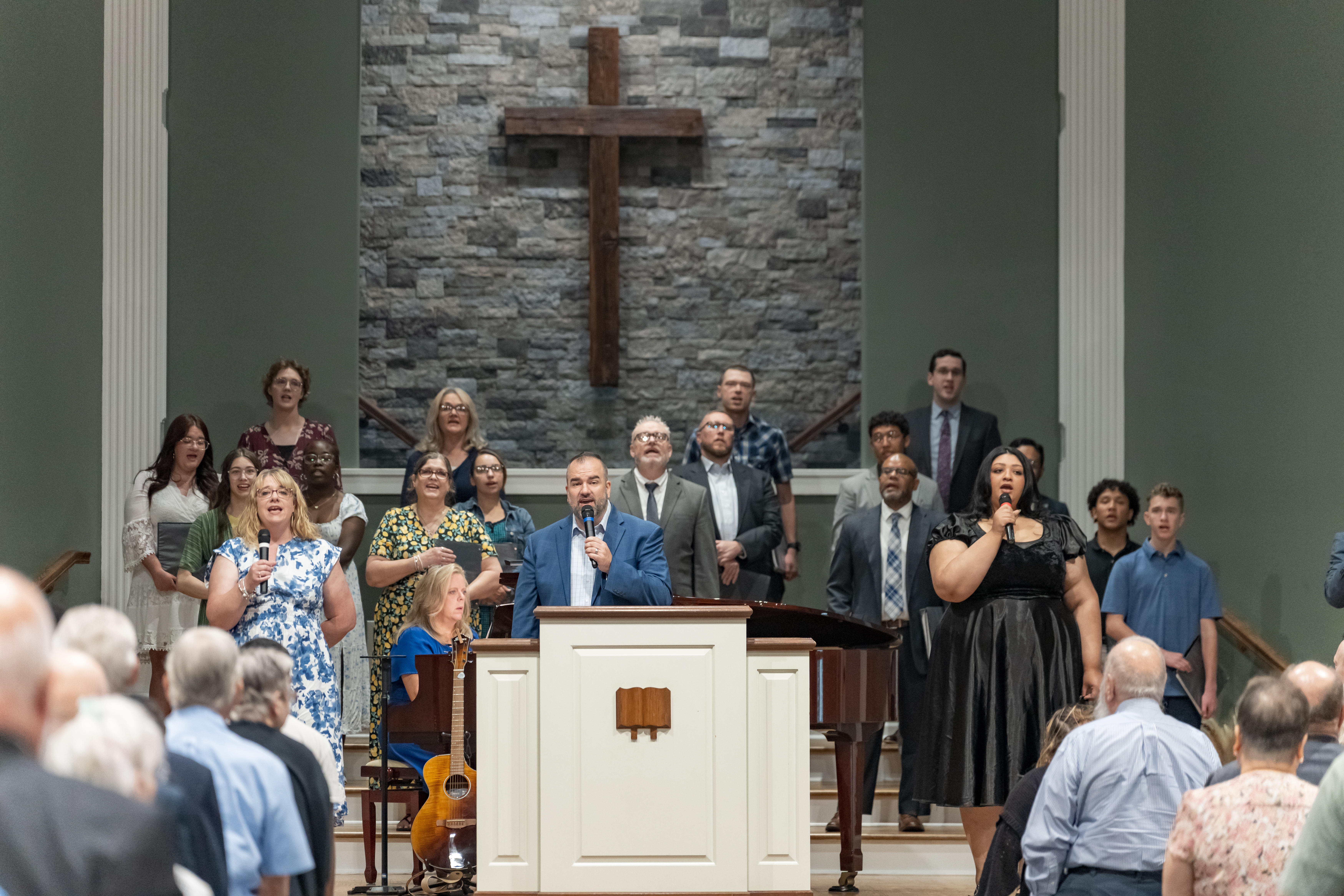
The piano is tuned, every word rehearsed, every voice ready, and still, the most important question a worship team member can ask has nothing to do with sound. Who is this for? Worship Is More Than Singing When most people hear the word "worship," they think of the songs sung before the sermon. But worship is much more than that. Singing, preaching, praying, and giving are all acts of worship, and every one of them can be offered to God in sincerity, or to self in pride. A pastor can study over a sermon to be admired for his insights rather than to feed the flock God has entrusted him with. A giver can drop an offering in the plate to be seen as generous rather than out of love for the Lord, a danger Christ addressed directly: Matthew 6:1
Take heed that ye do not your alms before men, to be seen of them: otherwise ye have no reward of your Father which is in heaven. A worshipper can lift hands or sing loudly not from a heart stirred by God, but from a desire to appear spiritual to those nearby. Wherever a person serves in worship, pulpit, platform, offering plate, or the seat, the same temptation is there: to turn an act meant for God into a performance for man. John the Baptist stood at the peak of his ministry, with crowds gathering and people following, and said this of Christ: John 3:30
He must increase, but I must decrease. That single sentence defines the calling of every person who serves on a platform. Any Ministry that puts attention on the servant instead of the Savior has already missed the point. The Danger of a Watching Crowd Scripture warns plainly about the pull toward performing for people rather than for God. In John 12, even some of the chief rulers believed on Christ, yet would not confess Him openly: John 12:43
For they loved the praise of men more than the praise of God. A worship team stands in a uniquely exposed position. There is a congregation watching, a sound system amplifying, and a camera live streaming. None of that is wrong in itself, but it creates real temptation to serve the eyes in the room rather than the throne of God. The desire to be noticed or complimented can quietly replace the desire to glorify Christ, and the shift rarely announces itself. It creeps in through small compromises, a note held for effect rather than for the Lord, a subtle seeking of praise from people that outweighs the joy of pleasing God. The Standard Is the Heart, Not the Performance When Samuel was sent to anoint a king, he was reminded of an unchanging truth: 1 Samuel 16:7
For the LORD seeth not as man seeth; for man looketh on the outward appearance, but the LORD looketh on the heart. A congregation can only judge the outward appearance, tone, timing, technique. God alone judges the heart behind it. A technically flawless song offered in pride is not acceptable worship. A simple song offered in humility, aimed entirely at the glory of God, is. Paul gives the team the standard that settles every motive question: 1 Corinthians 10:31
Whether therefore ye eat, or drink, or whatsoever ye do, do all to the glory of God. Keeping the Spotlight Where It Belongs Practical tips for the platform: Examine motive before rehearsal, not just during it. Ask privately whether preparation is aimed at excellence for God's glory or excellence for personal recognition. Refuse the compliment trap. Receive kind words graciously, but redirect the credit quickly and genuinely to the Lord. Guard against comparison. Comparing gifting, placement, or attention with other team members feeds pride and steals joy from service. Remember the unseen Audience. The congregation may never know the difference between worship and performance, but God always does. David wrote plainly:
Psalm 115:1
Not unto us, O LORD, not unto us, but unto thy name give glory. This posture David is highlighting, should be present in every faithful servant from any stage. We offer our skills without reservation, surrender the credit without exception, and Christ alone is left standing in the spotlight.
July 16, 2026 • 7 Minute Read
Songs Worth Singing
Colossians 3:16
Let the word of Christ dwell in you richly in all wisdom; teaching and admonishing one another in psalms and hymns and spiritual songs, singing with grace in your hearts to the Lord. There is something powerful that happens when a congregation sings together. But not all songs do that well. And that is worth thinking about. This is not an argument for one style over another. It is not a case for the old against the new, or the traditional against the contemporary. It is simply an invitation to take seriously what Paul told the church at Colossae, that the songs we sing are meant to let the word of Christ dwell in us richly. The question worth asking is not how old is this song? It is how much of Christ is in it? God's Design for Congregational Singing Paul's instruction in Ephesians 5:19 gives us a remarkably broad category for worship music, “Speaking to yourselves in psalms and hymns and spiritual songs, singing and making melody in your heart to the Lord.” That breadth is intentional. Congregational singing should not be confined to a single style, era, or form. It should be rich, varied, and full, much like the Psalms themselves, which range from triumphant praise to gut-honest lament, from quiet trust to thunderous declaration. What unifies that variety is not style. It is substance. Every psalm, every hymn, every spiritual song is meant to carry the weight of truth and direct the heart toward God. When a song does that well, whatever its form, it belongs in the worship of God's people. What Great Songs Do Whether a song was written in the eighteenth century or last year, the best worship songs share certain qualities. They are worth looking for, and worth protecting. 1) They are anchored in Scripture. The greatest songs the church has ever sung draw their content from the Word of God. They are not vague impressions about a generic higher power. They are specific declarations about the God of the Bible, the cross of Christ, the grace that saves, the hope that holds. When a song is saturated with Scripture, it does more than entertain. It instructs. 2) They teach as they are sung. Paul connects singing directly to teaching and admonishing one another in Colossians 3:16. That means congregational singing is not a passive experience. It is a corporate act of edification. When the words are theologically grounded, the congregation is being built up every time they sing them, whether they realize it or not. 3) They engage both the heart and the mind. Paul's standard in 1 Corinthians 14:15 is clear, “I will sing with the spirit, and I will sing with the understanding also.” The best songs stir genuine emotion because they are rooted in genuine truth. Feeling and doctrine are not enemies in worship. They are meant to travel together. 4) They point to Christ, not to the experience of worship itself. There is a subtle but important difference between a song that says look at what God has done and one that says look at how I feel about God. Both have their place. But a steady diet of the latter can quietly shift the center of worship from the Savior to the worshipper. Songs that keep Christ at the center, His person, His work, His glory, do the most lasting good. The Gift of the Historic Hymns It would be a real loss to walk away from the great hymns of the faith, not because they are old, but because they are extraordinarily good at doing what congregational singing is meant to do. The men and women who wrote them were not simply poets. They were theologians with a pastoral burden. Isaac Watts wanted truth to be singable. Charles Wesley believed every doctrine deserved to be sung. Fanny Crosby, blind from infancy, wrote thousands of hymns because she had seen something with the eyes of faith that she could not stop putting into words. Open a hymn like And Can It Be and you will find the incarnation, the atonement, the new birth, and the assurance of salvation — all developed across five stanzas. Sing It Is Well With My Soul and you are singing words written by a man who had just lost his four daughters at sea. Those words have steadied grieving believers ever since, because they were already planted in the memory, already true. That kind of depth is a gift. And it is a gift worth passing on to the next generation, not as a museum piece, but as a living inheritance. The Value of Newer Songs At the same time, God has not stopped inspiring His people to write. There are songs being sung today that are rich in doctrine, saturated in Scripture, and genuinely Christ-centered. When a newer song meets that standard, it deserves a place in our worship just as much as any hymn written centuries ago. The issue was never the age of the song. The issue is always the content. A theologically empty hymn from 1750 does less for the congregation than a doctrinally rich song written last decade. What we are after is not the preservation of an era, it is the presence of truth. Why Balance Matters A healthy worship diet includes both old and new, and here is why: The older songs anchor us. They connect us to the faith of a long line of believers who trusted the same God before us. They remind us that we did not invent this faith, we received it. The newer songs remind us the gospel is still alive. They reflect a faith that is not frozen in the past but active in the present, still moving hearts, still producing fruit, still being proclaimed in every generation. Together, they give the congregation something full and balanced, a worship life that is rooted in history and alive in the present. Singing With Understanding When the lyrics appear on the screen, resist the urge to simply wait for the music to cue you in. Read the words first. Let them land as statements of faith before they become songs of worship. Ask yourself: What is this saying about God? Do I believe this? What is this calling me to remember or do? That simple habit turns singing from a passive activity into an act of genuine, engaged worship, which is exactly what God is after. John 4:24
God is a Spirit: and they that worship him must worship him in spirit and in truth. A Word Before You Leave Your Seat The songs we sing together are not filler between the announcements and the sermon. They are a vital part of what happens when the church gathers. They teach us. They anchor us. They give us a shared language for expressing faith, grief, hope, and praise. They plant truth in us that surfaces at exactly the right moment, in a hospital room, in a sleepless night, when we need it most. So sing. Sing the old songs and mean them.
Sing the newer songs and let them do their work.
Sing with your whole heart and your whole mind. And let the word of Christ dwell in you richly, not just while the music plays, but long after you leave your seat. 1 Corinthians 14:15
I will sing with the spirit, and I will sing with the understanding also. At Faith Baptist Church, we are committed to worship that is rooted in Scripture, balanced in expression, and directed wholly to the glory of God — because the songs we sing shape what we believe.

May 17, 2026 • 4 Minute Read
Show Us Christ
The Story “Show Us Christ reminds us that the purpose of preaching God’s Word is not simply to give insights for living, impress people with our knowledge, or to tell people they need to try harder. The primary goal is to display the glory of God in the face of Jesus Christ. The written and preached Word is meant to point us to the riches of the living Word. And because we need the Holy Spirit to open our eyes to the glory of Christ in Scripture, it’s right and good that we ask God for help to do just that." (Bob Kauflin, writer “Show Us Christ”) Scriptural Application We sing about many aspects of our faith: giving glory to God, retelling the wondrous story of the Gospel, celebrating the life, death, and resurrection of Jesus, expressing our love for God and dependence on His grace and mercy. They are all Scripturally-based songs, but how often do we sing songs that ask God to transform us by His powerful Word? This simple yet beautiful song is a humble prayer of preparation and begging God to impress His Word upon our hearts by the power of His Spirit in such a way that our lives bear the fruit of the Gospel as a response. At the heart of this prayer is the centrality of Christ. What great privilege we have as Christians on this side of the Cross, with the joy of seeing Christ as the fulfillment of God’s written Word (Matt 5:17) and the very Word of God in flesh (John 1:14). We should never take for granted the fact that God has chosen to reveal Himself to us in the Bible. Neither should we ever trust in our ability to properly understand His revelation apart from the discernment given by His Holy Spirit (1 Corinthians 2:14). The fact that the "experts" on the Old Testament missed the coming of the Messiah, despite devoting their entire lives to studying God's Word, should serve as a warning against coming to the Scriptures on our own terms. Yet God has promised that He Himself will give us understanding (2 Timothy 2:7). And so we pray for open eyes and hearts, both for ourselves and for others (Psalm 119:144; Colossians 1:9). We confess our need for God to give us the growth that we desire (Mark 4:14-20; 1 Corinthians 3:7), and to help our unbelief (Mark 9:24). We claim the unmatched ability of God's Word to make us wise (Psalm 119:130), to feed our souls (Job 23:12; Matthew 4:4), and to impart to us the riches of His knowledge (Romans 11:33). And when the Bible seems hard to understand and ever harder to apply, we must acknowledge that we have nowhere else to turn, and express our trust that God's Word will give us the direction and discernment we need in our lives. (John 6:66-68; Philippians 2:9-11). This is a perfect song to sing before hearing God’s Word preached. The truth is, we need God’s help to prepare our hearts, give us the ears to hear, and hearts to understand and apply His Word. With so many worldly voices competing for our attention, we must cling to God’s voice, spoken to us in His living Word. For as the disciples recognized: “Lord, to whom shall we go? thou hast the words of eternal life. And we believe and are sure that thou art that Christ, the Son of the living God.” (John 6:68-69). Lyrics Verse 1
Prepare our hearts, O God, help us to receive
Break the hard and stony ground, help our unbelief
Plant your Word down deep in us, cause it to bear fruit
Open up our ears to hear, lead us in Your truth
Chorus
Show us Christ, Show us Christ
O God, reveal Your glory through the preaching of Your Word
Until every heart confesses Christ is Lord
Verse 2
Your Word is living light upon our darkened eyes
Guards us through temptations, makes the simple wise
Your Word is food for famished ones, freedom for the slave
Riches for the needy soul, come speak to us today
Bridge
Where else can we go, Lord?
Where else can we go?
You have the words of eternal life!

May 17, 2026 • 5 Minute Read
God the Uncreated One
The Story This modern hymn - alternately titled "God the Uncreated One" and "King Forevermore” - was written by Aaron Keyes and Pete James. "'Kingdoms rise and kingdoms fall, he is faithful through it all' is a timely reminder for us. Our God, who was, is, and is to come, is actively working in our world. As beautifully as he hung the stars in space, he has faithfully been our strong fortress in every storm. We can trust his unchanging character because he has perfectly revealed himself to us in the cross, and powerfully defeated even death itself. The Eternal King is a God of love, leading his people into everlasting life. " (Aaron Keyes) Scriptural Application God the Father works his sovereign will in all things, at all times. What God designs, he brings into existence. We see this in his glorious creation, and we see it in his glorious plan of salvation. Before he made the world, God had already determined, in every meticulous detail, exactly how he would create a people for himself, saving them from their sins. Like the author of a book, God—the Uncreated One—stands outside “the laws of space and time,” working out his plans as history unfolds. He has known the end from the beginning, and that brings us great comfort as we trust in his promise that justice will roll as surely as Christ was raised from the dead. Each stanza in this hymn helps to draw our focus to one aspect of the triune God’s eternal reign. The first verse emphasizes His role as Creator. The scope of His glorious design of the universe ranges from the grand (he set the stars and planets in place) to the minute (he numbers every grain of sand). Yet God is not merely a Maker, but an Artist, for he has made his creation beautiful (“like chandeliers”; Ecclesiastes 3:11). When David marveled at the majesty of the heavens, he couldn’t help but wonder why a God who could make such wonders would care about us individually (Psalm 8:3-4), yet this same God “knows the heart of every man” (Jeremiah 17:10; Acts 15:8). And so with David, we acknowledge that “He is King forevermore,” and worthy of our praise (Psalm 8:9). Verse 2 contains a number of Old Testament allusions to the might and power of Almighty God. He is “our fortress and our strength” (Psalm 91:2); the “rock on which we can depend” (1 Samuel 2:2). He is “matchless in his majesty, power, and authority” (Jeremiah 10:6). He is the “never-changing” (Malachi 3:6) “Great I AM” (Exodus 3:14). Sovereign even over the rise and fall of earthly kingdoms (Job 12:23), He remains “faithful through it all” (Deuteronomy 7:9). The hymn’s third verse speaks of the incarnation, when this mighty God put on mortal flesh (Colossians 2:9). The ancient curse of sin (Genesis 2:17; Romans 6:23) was brought to bear on the sinless Savior, both Mighty God and the Prince of Peace (Isaiah 9:6). Christ was lifted high (John 3:14) as our perfect, spotless sacrifice in order to secure our redemption (Hebrews 9:12). On the cross, Jesus cried out words from Psalm 22 (Matthew 27:46), a Messianic psalm which calls for help to a Father who is a rescuer of those who place their trust in Him (Psalm 22:5,19). The Son’s trust was not misplaced, and He was “rescued by the Father’s hand to reign as King forevermore!” In the final stanza, we focus on Christ’s victory over sin & death, and look forward to his perfect and righteous rule over all the earth. In that day, the cries of God’s people to see “justice roll” (Amos 5:24) will be answered, and, as we see in the Revelation, all the angels of heaven and all of the saints redeemed by the blood of the Lamb will sing together, “Holy, holy, holy is the Lord God Almighty” (Revelation 4:8, 5:13). He will reign as the “King of kings” (Revelation 19:16) and those who have been saved by grace through faith in Christ will experience the promised “joy in everlasting life” (Psalm 16:11) as we reign with him forevermore (Revelation 22:5). There’s a reason Revelation is filled with songs and singing. When we reflect on these glorious truths, how can we keep from singing? Praise be to the King of kings forevermore! Lyrics Verse 1
God the uncreated One
The Author of salvation
Who wrote the laws of space and time
And fashioned worlds to His design
The One whom angel hosts revere
Hung the stars like chandeliers
Numbered every grain of sand
Knows the heart of every man
He is King forever
He is King forever
He is King forevermore
Verse 2
God our fortress and our strength
The Rock on which we can depend
Matchless in His majesty
His power and authority
Unshaken by the schemes of man
Never changing Great I am
Kingdoms rise and kingdoms fall
He is faithful through it all
Crown Him King forever
Crown Him King forever
Crown Him King forevermore
Verse 3
Mighty God in mortal flesh
Forsaken by a traitor's kiss
The curse of sin and centuries
Did pierce the lowly Prince of Peace
Lifted high the sinless man
Crucified the spotless Lamb
Buried by the sons of man
Rescued by the Father's hand
To reign as King forever
Reign as King forever
Reign as King forevermore
Verse 4
King eternal God of grace
We crown You with the highest praise
Heaven shouts and saints adore
You're holy holy holy Lord
What joy in everlasting life
All is love and faith is sight
Justice rolls and praises rise
At the name of Jesus Christ
King of kings forever
King of kings forever
King of kings forevermore
Crucified the spotless Lamb
Buried by the sons of man
Rescued by the Father's hand
To reign as King forever
Reign as King forever
Reign as King forevermore
September 30, 2026 • 24 Minute Read
Missionary Prayer Letters - September, 2026
"They that sow in tears shall reap in joy. He that goeth forth and weepeth, bearing precious seed, shall doubtless come again with rejoicing, bringing his sheaves with him." — Psalm 126:5–6 Summer has drawn to a close, and our missionaries are reporting in with a harvest of fruit — souls saved at youth camps, a first ordination service in Burkina Faso, baptisms in Dublin and South Korea, and remarkable gospel advances from Mongolia to the Amazon. Here is a summary of the latest updates. Bearing Precious Seed — Bible Printing Ministry (Al Braley, Director | First Baptist Church of Milford, Ohio | July–August 2026) Highlights: The presses have not slowed down! Since the last update, BPS has printed 1,398,339 more Scriptures, bringing the year-to-date total to an astounding 8,462,190 — on pace to surpass 12 million Scriptures by year's end. So far in 2026, God's Word has been printed in 13 languages. Lead pressman Jerry McNealy traveled to a sister printing ministry in Colombia to train a team to set up and run the Taino equipment shipped to them earlier — an investment that will multiply gospel printing across South America. Several visitor groups have toured the BPS facility in recent months, and the ministry is actively welcoming churches who would like to schedule a visit. Ministry Branches: BPS El Paso is booking 2027 mission trips — assembling Scripture in El Paso for distribution in Juarez, Mexico, or on the Apache Reservation in New Mexico Seedline continues to grow as a way for local churches to have hands-on involvement in Bible publishing FirstBible is diligently working to get the Bible translated into every language group still without one Praises: 8,462,190 Scriptures printed through August 2026 in 13 languages Equipment repairs done in-house, saving ministry funds Taino equipment now up and running in Colombia Prayer Requests: Continued financial provision to print and ship God's Word around the world Colombia container and ministry operations to expand production capacity For churches to get involved through Seedline, mission trips to El Paso, or facility visits Canavans — Dublin, Ireland (Daniel & Beth | BIMI | Sending Church: Heritage Baptist Church, Woodbridge, VA | July 2026) Highlights: The summer brought two more beautiful baptism stories from Dublin. Ivanna has attended Hope Baptist Church with her mother and brothers for several years. Her older twin brothers were saved and baptised in recent years and had been encouraging her to follow. She was shy and also thought that simply understanding the gospel was enough. At Art Camp last year, however, Ivanna realised she needed to make it a personal decision to trust Jesus as her Saviour. Shy by nature, she took time to decide — until her friend Zeph encouraged her to be baptised on the same Sunday. Zeph also has a precious story. Her parents and older brother were saved and baptised back in the Philippines, but Zeph was not. Her mother had the privilege of leading her to the Lord one evening during family devotions. Zeph was initially afraid of being baptised, but as she heard teaching at church and at home about obeying God, her heart changed. Once she decided, she was so excited that she convinced Ivanna to be baptised with her on the same Sunday — two friends following the Lord together. Louise, Eugene, and Hannah — previously reported as saved — were baptised together as a family, a beautiful answer to prayer. Daniel notes that because of their ethnic background, photos of this precious family cannot be shared, but the joy is no less real. Praises: Ivanna and Zeph baptised — two friends following the Lord together Louise, Eugene, and Hannah baptised as a family Prayer Requests: Fall Revival with Barry & Cheryl Webb More Irish people saved and added to the church Stable housing for the Canavan family Help for Andrew, Shauna, and their church plant to buy a building Aidan, Marck, and Niall to be saved Childers Family — Grenada, West Indies (Joseph, Donna, Brielle, Ryan & Noelle | BIMI #1481 | Sending Church: Faith Baptist Church, Fairless Hills, PA | September/October 2026) Highlights: Joseph opens this letter with the simple but profound declaration: "God is always good, even in times of great turbulence and tribulation." And there has been turbulence. Yet through it all, clear evidences of God's hand are present. Donna's Health: For the first time in more than three years, Donna has seen some improvement. A family from New Hampshire provided a supplement they believed might help, and the fatigue that has plagued her has largely lifted — she is far from pain-free, but this is a significant step forward and a real answer to prayer. Christopher Saved: August brought the answer to several years of prayer for God to send men. Christopher visited and accepted Christ as Saviour. He now attends church on Sundays with his 7-year-old daughter Amara, and he asks for prayer for his unsaved girlfriend and their unborn child. A young man named Mikell is also "seeking" — interested intellectually and in the Bible Institute — but still unsure of his need for Christ. Please pray for his salvation. Brielle's School: After a couple of years as the only student in her grade followed by a year of homeschooling, Brielle was accepted to SAASS, described as probably the best academic secondary school in their area. God opened the door through several delays. Pray she will grow in confidence and become a bold witness for Christ. School Building Update: The newest school building is now functional — a cafeteria, kitchen, and additional classroom — marking the completion of their planned development on the current land. The building still needs exterior plastering and windows to enclose the cafeteria before the rainy season. The school year begins serving 54 students from 48 families. Looking Ahead: Positive steps are being taken toward a second church plant, with more concrete details expected by January and an anticipated launch date of mid-to-late 2027. Praises: Donna's health showing improvement for the first time in three years Christopher saved and attending faithfully with his daughter Brielle accepted to SAASS Newest school building now functional Prayer Requests: For Mikell to come to know Christ as Saviour For two men in full-time Christian service who are considering joining the ministry Wisdom for major structural changes under consideration in the ministry Financial needs — an ongoing burden Health: Joseph and Ryan with headaches; Noelle with stomach and immune-system issues; Donna with pain and weakness in her legs The second church plant — wisdom and preparation Clay Family — Ivory Coast / Going to Mali (Josh, Alyssa, Adelynn & Judah | BIMI | Sending Church: Bethel Baptist Church, West Carrollton, OH | July–August 2026) Highlights: The Clays open with a challenging and convicting question: "How are you giving the gospel?" Their letter is a testimony to what it looks like when that question is taken seriously every day of the week. After returning to the Ivory Coast, a medical team from BIMI came and God used them to give the gospel individually to 1,204 people. They were in a predominantly Muslim area, and of those 1,204 contacts, 431 were either already saved, received assurance of salvation, or accepted Christ as their Saviour. They ask for continued prayer for Pastor Assem and his local church in Vavoua as he follows up with those who responded. Beyond the medical outreach, the Clays describe their ministry as a daily rhythm of gospel intentionality — Sunday preaching always includes how to be saved; Monday is a day for gospel opportunities wherever errands take them; Tuesday is church-wide evangelism in the village; Wednesday is another preaching opportunity; Thursday is having a family in their home for a meal and testimony sharing; Friday is a home visit to encourage a church member with God's Word; and Saturday is both village evangelism and a neighborhood Bible club. Another medical team is coming the last week of October, and they look forward to reporting on God's answers to prayer. Praises: Gospel given individually to 1,204 people during the medical outreach 431 salvations or assurances of salvation recorded Consistent daily rhythms of gospel-sharing established Prayer Requests: For Pastor Assem and the follow-up work in Vavoua For daily opportunities to share the gospel For the upcoming medical outreach in October Mongolian Missions — Mickey & Trina Cofer (Anchor Baptist Missions | Third Quarter Report 2026) Highlights: The 2026 Bravehearted Youth Summer Camp season is now complete, and it was extraordinary. Several hundred young people, college counselors, and mission interns attended throughout the summer. 163 teens made professions of faith in our Lord Jesus Christ, along with many other decisions of dedication. Every student teacher grew in the Lord and increased in their ability to evangelize and disciple. One of the most remarkable accounts of the summer came from a 30-mile round-trip trek into the mountains of the northern Taiga to reach the Tsataan — a rare nomadic reindeer herding tribe. The team was able to give audio Bibles in the Mongolian language to every family in this remote region. In an unforgettable scene, a group of reindeer herdsmen gathered inside a teepee listening to the Word of God on a single handheld device. Jaazaniah was able to lead one Tsataan man to a saving knowledge of Christ — please pray for his continued growth, for his wife to be saved, and for this whole lost people group to come to know the Lord. At the close of a full summer, the Cofers launched their first-ever Family Camp for Mongolian Christian workers and their children — a week of morning sessions, group discussions, evening worship, and fun activities. Pastor Sherrer and Tom Luttman taught on raising children in the nurture and admonition of the Lord. Mickey closed out the week preaching from his potter's wheel on "Making a Vessel Unto Honor, Sanctified and Meet for the Master's Use." One father testified, "I fell more in love with Jesus during family camp and want to become that special vessel that brings honor to God." Three mission teams came throughout the summer and made significant contributions — installing a heating system, building the shower and laundry facility for family camp, and putting a roof on the old building to allow services to move into expanded space with a larger auditorium, Sunday school rooms, and an indoor toilet. Trina's two sisters, Timari and Tricia, also flew in to help — Timari with the church's mission team and ladies Bible study, and Tricia (an art teacher of 25 years) with special art lessons for moms and kids at family camp. Praises: 163 teen professions of faith during summer camp A Tsataan man saved — the gospel penetrating a remote, unreached nomadic tribe First Family Camp held — deeply encouraging for Mongolian Christian workers Three mission teams completed significant construction improvements Trina's sisters were able to visit and serve alongside Prayer Requests: For the Tsataan man and his wife — growth and salvation For the nomadic Tsataan people group to come to know Christ For the expanded church building to serve the ministry well Continued support for youth camp — each $100 sponsors one camper The DeLongs — Papua New Guinea / Australia (Dan & Sandy | BIMI | July–August 2026) Highlights: The DeLongs open with a reflection on David Livingstone's legendary commitment — "I want those who will come only if there is no road at all" — as a lens for celebrating the faithful national men their ministry has helped produce. Three men trained through the Shalom Baptist Church ministry stand as particular testimonies to gospel fruit: Pastor Sogona Sebea — reaching PNG and Aboriginal people in Western Australia Pastor Richard Kimiri — currently preparing for the field of Zambia Pastor John Hailai — planted Ihu Baptist Church in the bush, three hours west of Port Moresby All three men and their wives were saved, baptised, and trained through the ministry of Pastor Tau and Shalom Baptist Church — fruit of the "Building Papua New Guinea" project that provided classrooms and buildings for Christian education and Bible college training. Please pray for these men as they go where there is no road. Prayer Requests: For Pastor Sogona Sebea, Pastor Richard Kimiri, and Pastor John Hailai — strength, wisdom, and fruit For Pastor Tau and Shalom Baptist Church as they continue training the next generation Continued giving toward the Building Papua New Guinea project Stanley & Melinda Ewing — Far East Field Director (Macedonia World Baptist Missions | July–August 2026) Highlights: A quieter summer report from the Ewings, who note that the hot months are naturally slower for mission conference scheduling. They are looking forward to a busier fall as churches resume their programming. They report the encouraging news that a new family is being interviewed for missionary service to Italy — a reminder that God is still calling laborers into the harvest. The Ewings continue regular communication with national pastors in Indonesia, hearing monthly updates on God's work in their ministries. Sorrowful Note: Stanley asks for special prayer for New Beginning Baptist Church, whose pastor, Billy Balcom, was killed in a terrible car accident while turning off a major highway in sight of the church parking lot on Friday night of their Missions Conference. Please pray fervently for his family and their grieving church family. Praises: New missionary family being interviewed for Italy Open doors for fall conference scheduling Prayer Requests: For the family and church family of Pastor Billy Balcom New families with a burden for the Far East to come forward Open doors for mission conferences and reporting opportunities Harris Family — North Dakota (Jimmy & Carolyn | July, August & September 2026) Highlights: The summer in North Dakota has been marked by God's faithful provision for the new church building. Workers have come from many different states, paying their own expenses, to donate labor. A friend from Kentucky felt led of God to call Jimmy and say that God had laid it on his and his friends' hearts to pay for all the sheet rock needed for the new church. Jimmy went to a bank they had done business with 20 years ago — the same bank that loaned them $7,000 to pay off their land — seeking a $100,000 line of credit to finish the building. He put up the 20 acres of land and the church as collateral. They turned him down in ten minutes. Jimmy's response: "I Thank God He has no restrictions on His children to accomplish His Will." To date, $225,000 has been donated toward the building, and the remaining needs are focused and specific: foam insulation ($25,000) and bathroom fixtures ($3,000) — a total of $28,000 remaining. Jimmy is trusting God for this final provision and hopes to be in the building by fall or early winter. Praises: $225,000 donated toward the building Volunteers from multiple states providing labor Sheet rock provided through a generous Kentucky friend Prayer Requests: For God to provide the remaining $28,000 for foam insulation and bathroom fixtures For the congregation — many are dealing with health issues including Carolyn For those struggling with alcohol and drug addiction Jimmy is working with For their three sons To give toward the building: A.P.B.M., 1507 Oldtown Valley Rd. SE, New Philadelphia, OH 44663 — note "Grace Baptist Church building fund" Hilliard Family — Amazon, Brazil (Nic & Shaney | BIMI | June–August 2026) Highlights: The Hilliards hosted a medical group from BIMI in June — visiting six communities across Peru and Brazil. Despite the challenge of switching between Portuguese and Spanish, the group attended to nearly 600 patientsand saw over 70 professions of faith! It was a tremendous encouragement. On a deeply personal note, both of Nic and Shaney's grandmothers passed away within months of each other — after 7½ years on the field, all four grandparents are now gone. Shaney was able to travel to Missouri to be with her grandmother before she passed, a precious gift of time; Nic was unable to return for his grandmother's passing due to a delayed passport. They expressed deep gratitude for the hope of Christ in their grief. Meanwhile, progress continues on a unique and exciting front: Nic has begun language learning sessions with the Matis — an unreached people group — visiting a Matis family weekly. There is no written language material to study from, so the Matis family themselves are excitedly teaching him their language. The kids are thriving in Jiu-Jitsu, Gabriel and Adelyn moving to orange belts and Caleb to yellow. The family even discovered beehives on their property — a fun and unexpected learning moment for the children! Praises: Nearly 600 patients served and 70+ professions of faith through the medical outreach Matis language learning sessions now underway — a historic step toward reaching this people group Good community connections and TESL classes bearing fruit Shaney was able to be with her grandmother before she passed Prayer Requests: For the language learning process with the Matis to continue and accelerate Replacement parts for Shaney's four-wheeler to arrive quickly Family unity and health as they grieve both grandmothers and continue the work For the upcoming medical outreach in October Honeycutt Family — Establishing Chinese Churches (John & Cathy | World in Need Baptist Mission | September 2026) Highlights: This September letter is entirely devoted to one urgent and exciting project — 350,000 copies of the Gospel of John being prepared for Chinese New Year distribution in Asia on February 5th. The booklet is comprehensive: the full Gospel of John in Chinese, a gospel tract message on salvation in the first seven pages, four pages of follow-up and assurance content, QR codes for digital response, and space on the back for Chinese churches to add their own contact information. Bearing Precious Seed is providing all the printing at no cost — the only need is shipping to Taiwan, at five cents per copy, totaling $17,500, due by November 30th. Chinese churches are already assembling and committing to distribute. John notes that a similar effort in Manila once recorded over 40,000 salvation decisions across 10 countries. Prayer Requests: That the $17,500 shipping cost would come in by November 30th That the booklets would reach receptive hearts at Chinese New Year For souls to respond through the QR codes and assurance pages For the wisdom and safety of disciples and disciplers in Hong Kong For three new church planters in training Knickerbocker Family — Burkina Faso, West Africa (Stephen & Julie | WWNTBM | August 2026) Highlights: A landmark moment in the Burkina Faso ministry! After years of faithful training, David Nassa was ordained in the first-ever ordination service for their ministry. David was examined thoroughly by the men of the church and the ordination council — they unanimously and joyfully agreed he should be ordained. The deputy mayor, David's former professor, attended the ceremony. David's family, including wife Pengedewende and daughter Esther, have been a great blessing to the church. David will help lead the first church while Stephen concentrates on the second church plant. On the home front, Stephen spent three weeks in the US with Julie and the children — their first extended family time since January. The decision has been made to have Julie and the children remain in Powell, TN, near their home church at Temple Academy, for the stability of the children during an unpredictable season in Burkina. This is a sacrifice of nearness, but one made for the good of the family. At the Tabtenga church, a yearly teen camp was held in late August with 18 teens from the church attending. Several shared encouraging testimonies about decisions made at camp. Rasmata, a faithful lady at Tabtenga, has begun teaching the children. New weekly outreach efforts have started. The furlough schedule for 2027 is now 52% booked. Praises: David Nassa ordained — the ministry's first-ever ordination service Teen camp held with 18 teens; encouraging spiritual decisions Rasmata now teaching the children New weekly outreach started in Tabtenga Family time in the US — a sweet and needed reunion 16th wedding anniversary and Alina's 10th birthday celebrated Prayer Requests: BBC of Boulmiougou and BBC of Tabtenga Bible study at Pitmoaga Pastoral training of Jean, Germain, and William Spiritual growth of Paterne, Anassa, and Amed More members involved in outreach and kids' club ministries US citizen visas still not being processed Renewing church legal paperwork with the government Wisdom in future ministry decisions 2027 furlough scheduling Lovegrove Family — Ethiopia (Joshua & Ruth | July–August 2026) Highlights: The Lovegroves are on furlough, and they open their letter with more gospel fruit from Ethiopia. Two different men — one Muslim and one Orthodox — came to church separately and recently, sincerely seeking the truth. Both heard the gospel and were gloriously saved! Praise God that one of the men, Tola, has already started discipleship. The Lovegroves praise God that the last 3 people saved have all been men lost in sin and false religion — a direct answer to prayer for God to bring those sincerely seeking truth. Back in Ethiopia, faithful leaders Berhanu, Teddy, and Miss Roman are holding the ministry together while Joshua and Ruth are on furlough — please pray for them especially. The church continues to see visitors and salvations while the Lovegroves are away. Family Highlights: Jonan celebrated his 12th birthday. The family is traveling thousands of miles by car and plane during furlough — preaching, teaching, presenting, and reporting to supporting churches and friends. Praises: Two men saved — one Muslim, one Orthodox — both sincerely seeking truth Tola already in discipleship 3 recent salvations all from false religious backgrounds Church continuing to grow and see salvations during furlough Prayer Requests: For Berhanu, Teddy, and Miss Roman as they lead in Ethiopia during furlough Wisdom in necessary appointments and paperwork during furlough travel For continued fruit and open doors in America and Ethiopia Rosko Family — South Korea (Bruce & Sue | Lighthouse Baptist Church | Baptist Missions to Forgotten Peoples | September 2026) Highlights: South Korea experienced a record-breaking summer with temperatures reaching 108°F — a season of military transfers in and out of Camp Humphreys, as is always the case. Yet God is faithful. Zachary, a young soldier, was saved — Bruce had the honor of leading him to the Lord in his office before a Wednesday evening service. Tori and Andrew were scripturally baptised in August — a wonderful milestone. Two new families — the Davenport family and the Bray family — have both joined the church and are faithfully serving. Bruce and Sue are experiencing knee and joint pain but rejoice that the Lord continues to sustain them in ministry. Praises: Zachary saved Tori and Andrew baptised Davenport and Bray families joined the church God's faithfulness through the seasonal transitions of military ministry Prayer Requests: For Zachary's spiritual growth For Tori and Andrew's continued growth and faithful walk For Bruce and Sue's health — knee and joint pain For those who move away to find a solid Baptist church in their new location For new military arrivals to find and attend Lighthouse Baptist Church Ruppel Family — Cambodia / Furlough (Rodney & Becky | September 2026) Highlights: This letter is one of the most moving in this batch — a season of walking through deep family trial with the unwavering confidence that God is near. Rodney came back to the States a month early to help his son Ryan move to Oklahoma, where Ryan is now pastoring Cornerstone Baptist Church. While there, Rodney visited his step-brother who had been ill for some time — the step-brother had accepted Christ years ago, and Rodney was able to have a precious visit with him about God's saving grace and the hope of heaven. His step-brother passed away two weeks later. Rodney is grateful for the timing of God. Rodney also heard both Ryan and son Blake preach — "These two men have grown to become wonderful preachers." Daughter Rhadee and her family have just arrived from the Philippines for a short furlough — a family reunion to look forward to. Then the trials: In March, Rodney's father was diagnosed with cancer in his bladder. At 88 years old, he would be the oldest patient his surgeon had ever operated on. Surgery was scheduled for September 8th — and God allowed Rodney to be at the hospital with his siblings to support their dad. By noon on surgery day, the surgeon reported it had gone well, and his father was discharged a full week early. But while his dad was in surgery, word came that his mother had suffered a major stroke — her left side paralyzed. Four days later, a second stroke affected the right side as well. She remains in the hospital, with a goal of moving to rehab by September 28th. Rodney trusts fully in God's sovereignty: "This situation is not at all what we wanted, but I am so thankful for my siblings and for the opportunity to be here in the States during this struggle." He continues to teach the Online Bible Institute to students in Cambodia from the States. Praises: Rodney's step-brother knew the Lord — a comfort in grief Father's surgery went well and he was discharged a week early Ryan and Blake are both wonderful preachers and in ministry Rhadee and family are home from the Philippines for furlough Prayer Requests: For Rodney's father's continued recovery from bladder cancer surgery For wisdom in decisions about his mother's rehab and for her strength and spirit For Rodney and Becky as they are on furlough and navigating these family needs For the Online Bible Institute students in Cambodia to continue growing in the Lord Sidler Family — Dominican Republic (Steve & Nohemy | BIMI | August 31, 2026) Highlights: A glorious report from the Dominican Republic! Summer Family Camp (July 27–30) was a landmark event: 222 campers attended, 12 were baptised, 9 young ladies surrendered their lives to serve the Lord full time, 19 young men were called to preach, and 125 said they were going back to their home churches to be soulwinners again. At Quita Sueño, the soulwinning group grew from 20 to 49 the following week. Pastors from other churches testified that their people came back from camp more faithful and excited about serving the Lord than ever before. Looking ahead: Bible College classes are starting this semester with 15 students enrolled. On September 27th, the ministry celebrates its 29th church anniversary, with Pastor Hollis Hillman traveling from Freedom Baptist Church of Front Royal, VA to preach. An October team from New Life Independent Baptist Church in Roxboro, NC will come to help build a new Sunday School building on the church property in Quita Sueño. In November, Pastor Ron Titus and his wife from Corner Stone Baptist Church, Owings, MD will visit. Meanwhile, at Los Molinos Baptist Church in Los Frailes, Santo Domingo, Pastor José Manuel led open air meetings that reached over 3,500 people, saw many saved, and baptised 165. Praises: 222 campers at Summer Family Camp — 12 baptised, 9 surrendered to full-time service, 19 called to preach 125 committed to be soulwinners in their home churches Los Molinos Baptist Church: 3,500+ reached, many saved, 165 baptised Bible College classes now underway with 15 students 29 years of faithful ministry Prayer Requests: For the September 27th church anniversary celebration For the October team building the new Sunday School building For the 15 Bible College students to be faithful and sense God's calling clearly For the many young people who made decisions at camp to follow through in their home churches Closing Encouragement What a season! From the Tsataan mountains of Mongolia to the urban mosques of Dearborn, from the Dominican Republic's summer camp to a hospital waiting room in America where a missionary sat with his family and trusted God — the same Lord sustains every one of these servants. They are not carried by their own strength. Would you take a moment this week to write a note of encouragement to at least one of these families? They are far from home, and a word of genuine care goes a long way. "We are troubled on every side, yet not distressed; we are perplexed, but not in despair; persecuted, but not forsaken; cast down, but not destroyed." — 2 Corinthians 4:8–9Download September Prayer Letters
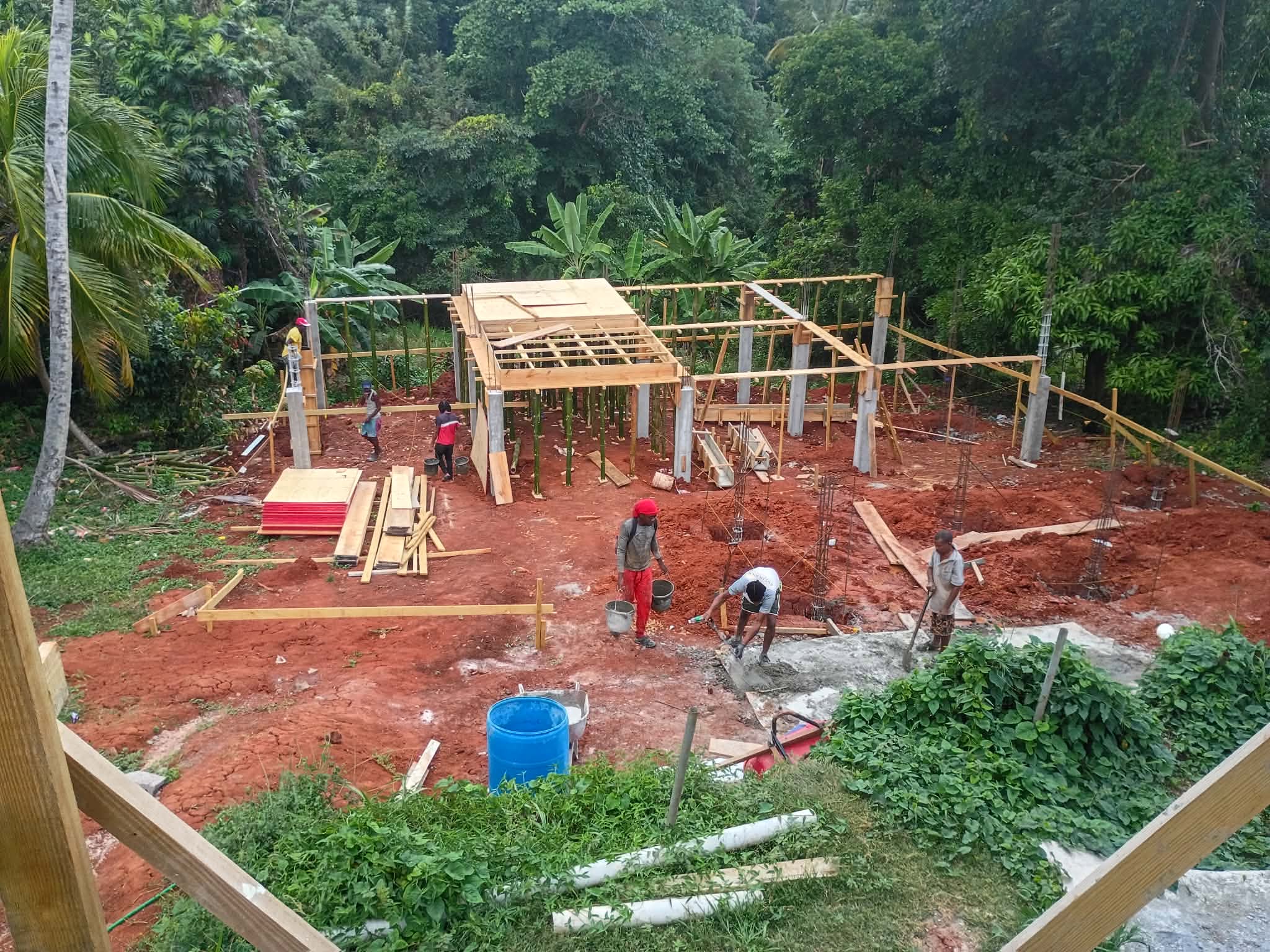
August 28, 2026 • 17 Minute Read
Missionary Prayer Letters - August, 2026
Fresh reports have arrived from our missionaries! Here is a summary of the latest highlights, praises, and prayer needs from each family. John & Lena Allen — Papua New Guinea (Bible Translation — Kamea New Testament | Sent by: Victory Baptist Church, Milton, FL) Highlights: John and Lena's July letter is full of milestone moments. The Kamea New Testament App has been tested and is now being prepared for its full launch on Google Play — one step closer to putting God's Word in the hands and ears of the Kamea people in their heart language. The Baptist Bible Institute of Port Moresby (BBIPOM) held its 4th Commencement on May 30th, graduating four students: Cheryl Abary, Vali Kila, and Ishmael and Samantha Samish. Guest speaker Missionary Kenny Seremak from Mount Hagen was an encouragement to all present. In a wonderful milestone for Capital City Baptist Church in Port Moresby, Pastor Erick Bala was formally ordained on the last Sunday of May — a man who has faithfully served alongside the Allens' son Matt for many years. The Allens also participated in a missions conference in the Bahamas, meeting with Pastor Cranston Knowles and his church's missions committee to encourage them in their vision for sending. Praises: Kamea New Testament App nearing its Google Play launch BBIPOM held its 4th Commencement — four graduates Pastor Erick Bala ordained at Capital City Baptist Church Encouraging missions conference in the Bahamas Prayer Requests: For all BBIPOM graduates as they serve in churches and ministry locations across PNG For the Kamea App launch — that it would reach into the mountains and bring God's Word to hearts that have never clearly heard it For those catching the vision for world missions through conferences like the one in the Bahamas Autrey Family — Dominican Republic (Landmark Baptist Missions) Highlights: The Autreys write in the heart of summer from the Dominican Republic with a warm and honest letter. Church attendance has dipped during the summer vacation season as families spread across the country and some return to the States — a challenge common to churches in warmer climates. The family has also walked through some difficulty recently. Jeanine's father suffered a heart attack but is doing better following medical treatment. Jeanine's brother also faces ongoing health challenges. Most recently, the missionary's aunt Connie — his father's twin — passed away, and he was able to fly to Georgia to be with family and help with the funeral service. He takes comfort knowing his aunt knew the Lord. On a forward-looking note, a new Christian school is set to open in September as an extension of the father's school in Santo Domingo, run out of their mother church ministry, with the aim of helping children come to know Jesus and live for Him while receiving a quality education. Praises: Jeanine's father recovering after heart attack Aunt Connie knew the Lord — grief tempered with hope New Christian school opening in September Prayer Requests: For the new school's opening — deadlines, teacher hiring, and finances For the extended Autrey family as they grieve the passing of Connie For Jeanine's brother's ongoing health challenges Health, safety, and wisdom for the family in every step Vacation Bible School coming in August Upcoming youth conference Ballou Family — Lamphun, Thailand (Reaching Thai People with the Gospel | BIMI) Highlights: June marked 15 years since the Ballous were approved as missionaries with BIMI — a milestone that moved them to deep gratitude for every supporting church and prayer warrior who has made their ministry in Thailand possible. During June and July, they visited family and supporting churches in the US, and returned to Thailand with renewed and expanded vision. Back in Lamphun, they stepped immediately into opportunities — just this past Sunday, the missionary sat with a Thai military man named Boom along with three faithful church members, who shared what it meant to turn away from religion and follow Jesus. Boom and his wife A have now attended seven times and are genuinely considering what following Christ will mean for them in Thai society. A young man was also recently baptized, and two unsaved mothers whom the church has been consistently praying for came on Thai Mother's Day Sunday and heard the story of Christ. A September starting point class with 8–10 potential new members is being planned. The church is also gathering regularly on the new church property to pray, work, and cast vision for all that God will do there. Praises: 15 years of fruitful missionary service A young man baptized Boom and his wife attending faithfully, considering the Gospel Two prayed-for mothers heard the Gospel on Mother's Day Returned to Thailand with renewed vision and clarity Church gathering on new property for prayer and vision Prayer Requests: For Boom and A to be saved soon For wisdom to shepherd current church members into leadership roles that support new believers For the September starting point class — that hearts would be genuinely open to Christ For each of the Ballou children (Justin 10th, Brody 8th, Aralynn 6th, Ava 2nd) to know and love Jesus as they grow Barbosa Family — Philippines (On Deputation) (Andrew, Mel, Rory, Damian & Dean) Highlights: The Barbosas report an exciting change in their deputation season: they have purchased a travel trailer, which will serve as their home for the next 15 months. The Lord graciously provided exactly the right truck and trailer to meet both their travel needs and their family's space needs — a tangible answer to prayer. Their first trip with the new setup took them from Ohio to Virginia, and God saw them through every tight spot along the way. Since their last update they have presented their ministry in 14 churches across 7 states, including several return visits that gave them the blessing not only of ministering but of being ministered to by God's people. They are now approaching 45% of needed support — praising God for steady provision. Upcoming longer trips include Texas, Washington, New England, and California. Praises: God's perfect provision of the right truck and travel trailer 14 church presentations across 7 states Approaching 45% of support Safe travel through many miles Prayer Requests: Safety as they travel thousands of miles in the coming months God's blessing on upcoming meetings in Texas, Washington, New England, and California Additional churches to partner financially and in prayer Wisdom and preparation for eventual ministry in Mindanao, Philippines Open hearts and future disciples as they look ahead to arriving on the field Childers Family — Grenada, West Indies (Joseph, Donna, Brielle, Ryan & Noelle) Highlights: Our own missionaries in Grenada report a May and June that was at once deeply encouraging and sobering. The Christian school held its annual reading contest, revealing that 55 of 58 students are reading at or near grade level — remarkable given that many enrolled far behind. The school celebrated its second preschool graduation and first-ever primary school graduation, with five students graduating to secondary school, all with above-average grades on national testing. The first valedictorian, Azaria, entered as an unchurched Grade 2 student who could not read and leaves as an honor roll student who has made a profession of faith and attends regularly. God is good. Yet the challenges are real. A teacher left her position in a disruptive way, spreading damaging words to students and parents on the way out, resulting in multiple families withdrawing their children — a crushing blow to an already fragile financial situation. Old areas of disunity in the church plant have also resurfaced, leading to a charter member resigning her membership. Joseph asks for prayer as they navigate these difficulties. Two additional sorrows: Lauren, a young lady connected to the church, gave birth prematurely due to a doctor's error, and the baby passed away at less than a week old. Ben, whose wife Pam passed away earlier this year, has returned to church a couple of times but says he needs time. A visit from Peter Thomas, the missionary sent out of their church plant who serves in St. Vincent, was a bright spot — though he came unexpectedly due to being robbed and needing his documents reissued, his presence was a blessing to the ministry. Prayer Needs and Financial Update: The second church plant groundwork is being laid. The kitchen building project still needs $9,240 for windows, doors, and exterior plastering before September. Donna's health continues to present major challenges. Praises: First-ever primary school graduation; five students above average on national testing Azaria's transformation from unchurched non-reader to honor roll student with a profession of faith 55 of 58 students reading at or near grade level Encouraging visit from Peter Thomas Prayer Requests: For the school enrollment crisis — at least 10 more students needed than currently projected For the $9,240 needed to complete the kitchen building project before September For Donna's health — ongoing and serious challenges For Lauren and her family following the loss of her baby For Ben, grieving the loss of his wife Pam For the second church plant — wisdom and direction For unity and stability within the existing church plant For God to provide men willing to step up and lead in the ministry Gates Family — Dearborn, Michigan (Ryan & Beth | July Report | Reaching Muslims in Dearborn, MI | Macedonia World Baptist Missions) Highlights: Ryan reports a wonderful month of open doors. The most significant was a mission trip to Colombia with his daughter Sandy, where she expressed her desire to become a missionary and Ryan wanted her to see the foreign mission field firsthand. Ryan preached four times at a youth camp on the theme "Look and Live!" in two different churches that Bro. Aaron started, and also taught a men's discipleship group of about 20. At camp, eight teens made professions of faith, and others raised their hands indicating willingness to go wherever the Lord leads. Ryan and the team also ministered at an orphanage — a blessed time of service. Back in Dearborn, a long-time college ministry contact who claims to be Muslim but is drawn to both Islamic and Jewish interpretation continues coming and engaging with the gospel — he even attended the Christ Is the Gospel Conference. Door-to-door witness continues to bear fruit, with an older Muslim couple opening up to gospel conversation after talking about the World Cup. The summer park Bible/book table ministry is in full swing. Upcoming events include the Christ Is the Gospel Conference (August 26–28), a table at the Arab/Chaldean Fest, and outreach at the Shia Arbaaeen March on August 2nd, where over 10,000 Muslims will gather at a local park. Family Matters: Sandy says she feels close to God after the trip. Emma and Noah are working hard in basketball. Joshua was hospitalized due to focal seizures and missed teen camp — please pray for him. Praises: Eight teens professed faith at youth camp in Colombia Sandy's growing heart for missions Many open gospel conversations in Dearborn Upcoming major outreach opportunities (Arab/Chaldean Fest, Arbaaeen March) Prayer Requests: For those who professed faith in Colombia to grow in Christ For Joshua's health — hospitalized with focal seizures For Mohammed at the college — that he would stop trying to interpret Christ through other frameworks and simply trust Him For the Muslim families being reached through outreach to come to saving faith For the Christ Is the Gospel Conference, August 26–28 Hall Family — New South Wales, Australia (Jon & Marie | Shoalhaven Baptist Church | FBWM | May, June & July 2026) Highlights: The Halls are celebrating 29 years of planting churches in Australia! This report brings a season of wonderful fruit and anticipated furlough. Their sending church, Heritage Baptist Church, is bringing all ten of its sent-out missionaries home at the same time for a Homecoming Missions Conference — a special reunion. At Shoalhaven Baptist Church, next-door neighbors Shane and Jackie have begun attending, with Shane professing saving faith. Jack and Sarah have been baptized and are planning to be married in the will of God, receiving pre-marital counseling from Pastor Reeve. Nathan and Mitch are learning to lead congregational singing and have already ministered in recent services. At Lighthouse Bible Baptist Church in Ulladulla, Pastor Rod and Noel welcomed their first child, Seth Trevor Skelton, born July 3rd. On the home front, Jon and Marie became first-time grandparents when their daughter Sara and son-in-law Sid welcomed Eliana Dominique Barboza, born July 9th — a great joy to the whole family! Prayer Requests: For Pastor Reeve as he shepherds Shoalhaven Baptist during the Halls' furlough — he still lives over an hour away and carries a very full load of ministry For the Halls' brief but meaningful time in the States — visiting supporting churches and pastors For Sydney Bible Baptist College and Lighthouse Bible Baptist Church during their absence For the congregational growth and continued spiritual development of Shoalhaven Baptist Honeycutt Family — Establishing Chinese Churches (John & Cathy | World in Need Baptist Mission | August 2026) Highlights: The Honeycutts write with focused urgency about a remarkable gospel distribution project. 350,000 copies of the Gospel of John are being prepared for distribution to Chinese people during Chinese New Year in Asia — February 5th — when people are in a festive mood and readily accept gifts. Each booklet includes a gospel tract message in the first seven pages and four pages of follow-up and assurance content. QR codes allow readers to respond digitally, and Chinese churches can add their own church information on the back. Bearing Precious Seed is providing the printing at no cost — the need is shipping to Taiwan at five cents per copy ($17,500 total, due by November 15). Chinese churches are already committing to help distribute. John notes that a similar distribution effort in Manila years ago saw over 40,000 salvation decisions recorded across 10 countries — a glimpse of what God can do when His Word is placed into receptive hands. Praises: New churches starting every month across Asia Bearing Precious Seed providing all printing at no cost Chinese churches committing to distribution partnership Prayer Requests: That the $17,500 needed for shipping would come in by November 15th That the 350,000 Gospel of John booklets would reach receptive hearts at Chinese New Year For souls to be saved and followed up through the QR codes and assurance material For the Romania discipleship and church planting initiative beginning this fall Knickerbocker Family — Burkina Faso, West Africa (Stephen & Julie | WWNTBM | Sending Church: Temple Baptist Church, Powell, TN) Highlights: The July letter from Burkina Faso brings a joyful milestone and a sober update on the path forward. Church member Valentin Kantagba, whom Stephen led to the Lord and baptized years ago, has just graduated second in his university class with special recognition — and Stephen had the privilege of attending the ceremony. Valentin, now in an internship, is a testimony to the gospel's long-term fruit and an asset to both his family and the ministry. The Junior Camp was a tremendous success — 100+ children, lessons from the lives of Joseph, David, and Jesus, and good responses to salvation invitations. Two boys shared their desire to preach the Word of God. A 13-minute video of camp is available on their YouTube ministry channel. Despite these joys, Stephen outlines two significant hurdles that must be cleared for the family to continue serving in Burkina: (1) renewing the church's legal paperwork with the government (a 4-month process — paperwork has been submitted and they are waiting for approval), and (2) joining a government-approved umbrella association. They are monitoring another visa renewal path as well. Their 2027 furlough planning is underway, with 56% of their furlough schedule already booked. They return to Burkina on June 3rd. Praises: Valentin's university graduation — second in class, with special recognition Junior Camp a huge success with 100+ children, good salvation responses, and two boys desiring to preach Rasmata, a faithful lady at Tabtenga, began teaching the children Church legal paperwork submitted to the government 2027 furlough meetings being scheduled (56% booked) Prayer Requests: Government approval of the church's renewed legal standing — the most critical need Visa renewal pathway to be resolved Pastoral training of David, Jean, Germain, and William Spiritual growth of Paterne, Anassa, and Amed Wisdom in the decision about the ministry's future direction The Bible study at Pitmoaga Kids' club ministries MAPS Global Network — William Jeffcoat (Sending Church: Gantt Street Baptist Church, Cayce, SC) Highlights: The Summer 2026 report opens with a sobering reminder of the spiritual and physical cost of ministry in India. Persecution continues in every state of the country — in one northeastern region incident, an ambush led to the deaths of three preachers. In another, an abduction ended in the death of six men, two of whom were pastors. At least one victim attended a Bible college where William once taught. He calls these realities a grief and a burden. Yet the Gospel presses forward. During stateside ministry this summer, William has preached in tent meetings and conferences. At one service, a woman approached the altar weeping — it was her very first time at that church, her first time at a tent meeting, and she was gloriously saved that evening. At another service, a woman stopped him on her way out to say, "I need to be sure I am going to heaven" — and he was able to give her that assurance right there. William continues teaching four Bible colleges and institutes in India via internet platforms, and his book Tales From India continues to circulate widely, with a recent report of a Hindu mother being blessed by it. He is preparing to apply for a new India visa, rejoicing that God has allowed him to labor within the country for 29 years. Praises: Souls saved and assured during stateside tent meetings and conferences Tales From India continuing to reach readers across cultural barriers 29 years of open doors for ministry in India Prayer Requests: For persecuted believers and the families of those killed in northeastern India For William's new India visa application to be approved For Bible college students being trained throughout South Asia For future ministry projects in South Asia and South America For the ongoing census in India — that the reinstatement of caste designation would not deepen persecution against believers Closing Encouragement Graduations in Burkina Faso and Papua New Guinea. A new Christian school opening in the Dominican Republic. Eight teens saved at a youth camp in Colombia. A Thai military man and his wife attending church seven times and drawing closer to a decision. A church plant in Grenada grieving loss yet pressing forward. An old book about India finding its way into a Hindu mother's hands. God is not working only in the dramatic moments — He is at work in the quiet, faithful, costly, ordinary days of missionary life. And He uses your prayers to make it happen. "For God is not unrighteous to forget your work and labour of love, which ye have shewed toward his name, in that ye have ministered to the saints, and do minister." — Hebrews 6:10Download August Prayer Letters
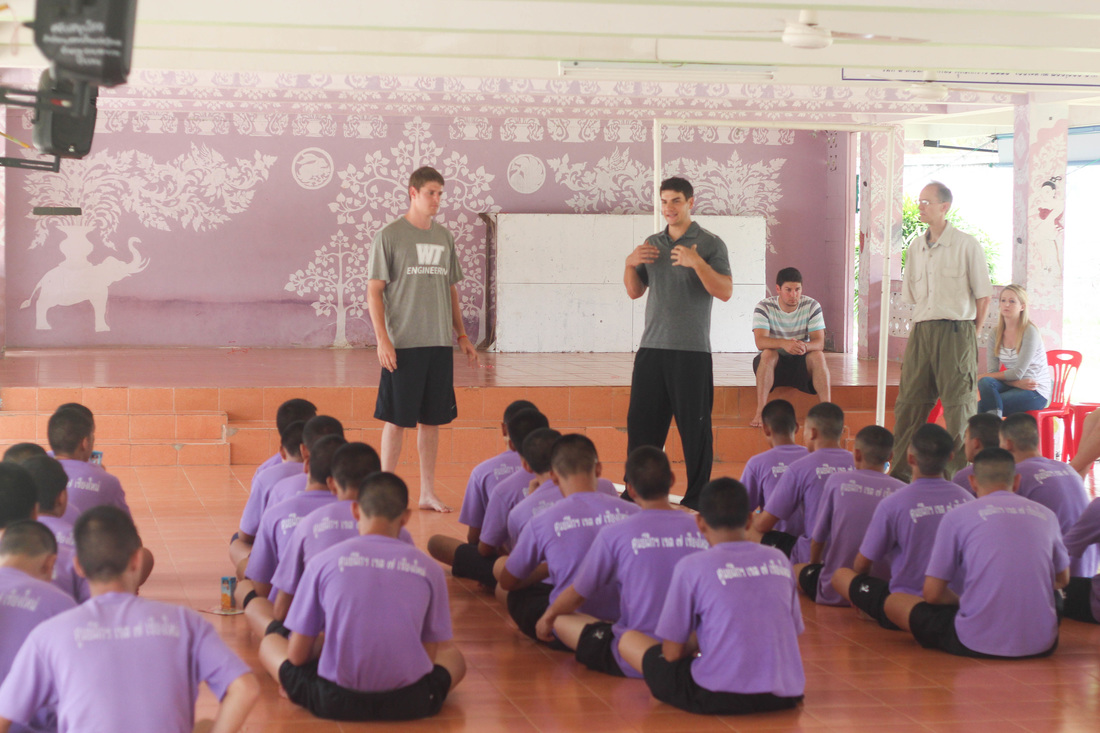
July 28, 2026 • 17 Minute Read
Missionary Prayer Letters - July, 2026
The Lord gave the word: great was the company of those that published it.
Psalm 68:11 Another season of remarkable reports from our missionaries! God is at work from Papua New Guinea to Philadelphia, from South Korea to the Dominican Republic. Here is a summary of the latest highlights, praises, and prayer needs. Matt & Becky Allen Family — Papua New Guinea (Church Planters | Capital City Baptist Church, Port Moresby | Landmark Independent Baptist Church, Louisville, KY) Highlights: Twenty-five years ago, a handful of churches took a risk on a young couple called to Papua New Guinea. This report announces the fruit of that faithfulness in the most remarkable way: Matt and Becky are founding South Pacific Christian University. Their school, South Pacific International Academy (SPIA), has grown from 8 students to 265. This year's Grade 10 class is pioneering their way through to a Grade 12 diploma — and when they graduate in December 2028, Matt wants a faithful, Christ-centered university right there in Port Moresby waiting for them. The conviction is the same one that has carried Capital City Baptist Church and SPIA from the beginning: that character matters as much as competence, and that the next generation of Papua New Guinea's leaders needs to be formed, not merely trained. Legal registration is being finalized, a founding Steering Committee of eleven qualified believers is in place, and Lord willing, South Pacific Christian University will open in January 2029. Matt made a short film about the vision, available at the link in his letter. Praises: 25 years of faithful ministry bearing extraordinary fruit South Pacific Christian University is being founded A strong founding Steering Committee assembled Prayer Requests: That legal registration would move cleanly through the process Wisdom for the Steering Committee — that God would guide a work far bigger than any of them For the students of SPIA, both current and those not yet met, who will be the first generation of university graduates Allinson Family — Mexico City, Mexico (Chief Cities Ministries | Macedonia World Baptist Missions) Highlights: The Allinsons are wrapping up furlough and heading home! In 17 days from writing, they will board a plane in Newark and return to Mexico — just in time to help with VBS the following week and teen camp two weeks after that. Their furlough summary is a testament to faithful, diligent labor: 7 months, based in South Jersey, kids attending school in Philadelphia, visiting 10 states, 45 supporting churches, 15 non-supporting churches, and 5 brand-new churches — plus 3 missions conferences and 2 chapels. At least 3 new supporters have committed. A special goal of raising $10,000 toward the Promised Land Building Project was met through music sales and special offerings during furlough — construction permits are now being funded. Back in Mexico, God has been blessing the team under Jose & Liliana, Joshua & Katye, and Carlos & Areli: souls saved, a Kids Day community event with 300+ in attendance, a new kids club started, new families added to the churches, and plans for 2 VBS events, teen camp, and a new church plant. Missions Trip Opportunity: There is still time to register for a missions trip to Mexico City, October 19–26, for under $1,200 (airfare dependent). Help pass out invitations for the new church plant — no Spanish required! Register with $200 by August 15th. Praises: Furlough goals met — at least 3 new supporters, 5 new churches visited, $10,000 building goal reached God's blessings on the Mexico ministry team in their absence 300+ attended the community Kids Day event Prayer Requests: For the 3 Mexico City churches: unity, faithfulness, spiritual and numerical growth, new leaders For the new Magner Family church plant — location, culture, preparation of hearts For Josh & Katye Magner — language and culture learning For leaders Carlos & Areli, Jose & Liliana, Joshua & Katye For Rebecca's health (MS) and shoulder For their children Karla (16), Alexandra (15), and Carter (12) — wisdom for their futures Ballou Family — Thailand (Sent from Lancaster Baptist Church, Lancaster, CA) Bearing Precious Seed — Bible Printing Ministry (Al Braley, Director | First Baptist Church of Milford, Ohio) Highlights: The Goss press has been running well, catching up on print requests after some earlier equipment challenges. Through the first six months of 2026, Bearing Precious Seed has printed 7,063,851 Scriptures in 12 languages — over 7 million copies of God's Word in just half a year. A particularly meaningful outreach: Scripture distribution at the World Cup was a tremendous success in Mexico, Canada, and the United States, with churches and individuals joining together to put God's Word in the hands of people from around the globe. Their office even received calls from people who received the Scriptures! A commemorative project is underway for the 25th anniversary of September 11th, with Rock of Ages commissioning New Testament printing for distribution at memorial services. Currently, 3,000 sewn hardback Bibles in the Simte language are being bound for India. Lead pressman Jerry McNealy is traveling to Colombia to help install recently shipped equipment, which will increase that ministry's capacity to print and distribute God's Word in Colombia and neighboring regions. Their shipping highlights this period include major containers to the Philippines, Croatia, Sri Lanka, India, Germany, South Africa, Ghana, Colombia, Mexico, Iran, Papua New Guinea, England, Italy, and many more nations. Praises: 7,063,851 Scriptures printed in 12 languages through June Successful World Cup Scripture distribution Digital press upgraded, increasing throughput Two new shop employees hired Prayer Requests: For the hardback casemaker upgrade — funds still needed For the Colombia container to be released from customs For increased support to purchase more paper For Jerry McNealy's safe travel and for the Colombian ministry's equipment to greatly increase production Continued safety around the equipment in the shop Delp Family — Philadelphia, Pennsylvania (Joe Delp | ChristLife Baptist Church | Sending Church: Valley Forge Baptist Temple, Collegeville, PA) Highlights: ChristLife Baptist Church of Philadelphia had its Grand Opening Launch Sunday on March 15th, with 92 people in attendance — including area guests — and 6 individuals called upon the Lord for salvation on that very first Sunday! The church is renting a Fellowship Hall in the Roxborough section of Northwest Philadelphia, a space with a nursery, children's church room, men's and ladies' restrooms, and a parking lot — a genuine provision from the Lord. Regular attendance settled around 40 for the following two Sundays, with another soul saved during that stretch. Resurrection Sunday saw 50 in attendance with more first-time visitors. Four co-workers from Joe's Chick-fil-A job have been attending! On April 19th — just over one month after launch — the church held its first Baptism Sunday. Seven believers were baptized on the front lawn, including Joe's oldest daughter Kristie Jo (9) and oldest son Conor (7). Joe called it one of the best days of his life. A 10-foot handmade wooden cross from a member of the sending church stands at the front of the auditorium. Praises: 6 saved on Launch Sunday; additional souls saved in following weeks 7 baptized one month after launch Wonderful provision of a ministry space in Roxborough Co-workers attending services Prayer Requests: A Great Awakening in Philadelphia Safety and protection for the family and ChristLife Baptist Church Discipleship of new believers Spiritual and numerical growth of the church More laborers for the Church Plant Team Street Preaching Ministry Beginning of a Homeless Ministry Outreach A Driver for the Bus Route 5 more supporting churches May God provide the Methodist building, if it is His will The DeLongs — Papua New Guinea / Australia (Dan & Sandy | BIMI | Sending Church: Gospel Light Baptist Church, Walkertown, NC) Highlights: The DeLongs open with the moving starfish story — a reminder that while the world's lostness seems overwhelming, every soul reached matters eternally to God. Their May–June report covers ministry on two fronts. In Cairns, Australia, the church is growing and souls are being saved. Lauren, Pastor Cam's wife, serves faithfully with a humble heart despite being limited to one leg. In Papua New Guinea, the "Building Papua New Guinea" project has raised $70,000 total, with $20,000 hand-delivered to Pastor Tau and Shalom Baptist Church for their church, school, and Bible college building program. The Lord is working: souls are being saved, baptized, and discipled. Pastor Tau has also restarted Ihu Baptist Church in a remote village — about an hour's flight and then a three-hour boat ride from Port Moresby — a work the DeLongs had helped start years ago that had dissolved for lack of a pastor. Now it is alive again. Back in the US, Dan preached and taught at a youth camp in Ohio where 14 young people trusted Christ as their Saviour — many of them not from Christian backgrounds. Praises: $70,000 raised for the Building Papua New Guinea project 14 youth saved at Ohio camp Shalom Baptist Church growing and discipling Ihu Baptist Church restarted Prayer Requests: For the Cairns, Australia church's continued search for a permanent facility For Ihu Baptist Church — continued pastoral leadership and growth An additional $30,000 needed to complete the Building Papua New Guinea project by April 2027 For Pastor Tau as he leads Shalom Baptist Church and the surrounding ministry Dundon Family — Philadelphia, Pennsylvania (Matt, Colleen & Aiden | Missionaries to the Deaf | World Wide New Testament Baptist Missions | Sending Church: Hampshire View Baptist Deaf Church, Ashton, MD) Highlights (Jan–Feb 2026): The Dundons describe a quiet but steady start to the year — Sunday services and monthly events continuing as normal. A memorable Super Bowl Fellowship was held at their home with a halftime devotion. A new challenge has emerged: a couple from the Dominican Republic recently joined the church, but neither knows American Sign Language nor can read English. Only the wife reads Spanish, so the Dundons are using a translation app to teach them ASL and communicate the gospel. Additionally, the church requested more mid-week Bible teaching, so rather than adding a separate service, Matt converted a prayer meeting slot into a combination prayer meeting and verse-by-verse study through the Gospel of John. A new Sunday School series on building Christian habits — replacing old patterns with godly ones — has been well received. Highlights (Mar–Apr 2026): Spring brought more activity. An annual Deaf mini ladies retreat was held in March with Deaf ladies coming from several states, featuring guest speaker Tawnie Kile from Bible Baptist Church in York, PA. A trip to the mission agency's family fellowship week in North Carolina refreshed the family after four years away. Most joyfully, a young Deaf man named Rob came to a men's fellowship after asking Matt to pray that he would "become saved before it's too late." Matt walked him through the Romans Road, and Rob bowed his head and trusted Christ — visibly moved and emotional. He has not yet attended services since, and the Dundons are praying he will come. Praises: Rob trusted Christ through the Romans Road Refreshing time at the WWNTBM family fellowship week Successful Deaf ladies retreat New Bible study through John's Gospel launched Prayer Requests: For Rob to grow and begin attending church For Matt to have strength for the ministry For the Deaf in and around Philadelphia to be saved For the couple from the Dominican Republic to learn ASL and understand the gospel For church members to be faithful and grow in the Lord Furlough preparation — coming later this year Stanley & Melinda Ewing — Far East Field Director (Macedonia World Baptist Missions | Sending Church: Old Suwanee Baptist Church, Buford, GA) Highlights: The Ewings have been active in mission conferences and supporting church reports during May and June. A highlight was attending Macedonia's four-day refresh and training week on campus for missionaries on deputation and furlough — a time of encouragement, great teaching by field directors and home office staff, and messages on God's faithfulness ("Don't Loose Heart") by Pastor Jonathan Barker of Amazing Grace Baptist Church in Mt. Airy, North Carolina. The Ewings continue closely supporting national pastors in Indonesia and staying in regular contact with them about what God is doing in their ministries. Praises: Fruitful time at Macedonia's training and refreshment week Open doors in mission conferences and supporting churches National pastors in Indonesia faithfully reporting monthly Prayer Requests: Continued open doors for mission conferences and church meetings (contact: 770-697-5593) New families with a burden for the Far East to come forward For the national pastors in Indonesia and their ongoing ministries Harris Family — North Dakota (Jimmy & Carolyn | Missionaries to North Dakota) Highlights: The May–July report from the Harrises is filled with answered prayers and remarkable provision. All the electrical materials needed for the new church building have now been supplied — wire, breaker boxes, breakers, lights, a sound system, and 4 doors — given by faithful brethren from Rescue America Baptist Missions, Anchor Baptist Missions, and individuals including Bro. Larry Adams, his wife Ms. Opal, Bro. Gerry Locklear, and Bro. Josh Lanning. A team from Ronda Baptist Tabernacle, led by Bro. Jeremiah Greene, came up to run all the wire and also went out into Reservation districts to hold cookouts for children and adults, sharing Bible stories with the gathered kids. Then in June, Pastor Kenny Marr and his church, Celebration Baptist, came up for their annual VBS and tent Revival — 17 adults professed faith! Jimmy describes them as "some of the best services ever." Bro. Kenny is returning August 16th with a team to install heating, air conditioning, and plumbing in the building. Prayer Requests: For God to provide all materials needed for heating, A/C, and plumbing For the church — many members, including Carolyn, are dealing with health issues For those struggling with alcohol and drug addiction — Jimmy is working with them through God's Word For the lost — Jimmy preached at a woman's wake on July 6th; she was only 52 and died of cirrhosis For their three sons For the August 16th work team as they travel Honeycutt Family — Establishing Chinese Churches (John & Cathy | World in Need Baptist Mission) Highlights: The Honeycutts bring exciting news on two fronts. First, they are launching a project to provide 350,000 copies of the Gospel of John for Chinese New Year in Asia next February — a tremendous gospel distribution opportunity. Second, through a series of God-connected events, a major discipleship and church planting initiative in Romania begins this fall, including a translation ministry in the Romanian language. New churches have been starting every month so far this year in Asia. Every day, souls are being saved and disciples are being trained to become disciple-makers themselves. John and Cathy ask for prayer above all — because as they note, prayer is not just speaking but also listening for God's direction. Prayer Requests: That the 350,000 Gospel of John booklets would be prepared, printed, shipped, and placed into receptive hands That God would open hearts and use His Word to bring many Chinese to Christ Wisdom as the Romanian translation work begins That believers in Romania would be strengthened, churches matured, and new churches planted For wisdom and safety for disciples and disciplers in Hong Kong For three new church planters in training to gain the faith to begin their ministries For Bible Institute graduates entering full-time ministry Rosko Family — South Korea (Bruce & Sue | Lighthouse Baptist Church | Baptist Missions to Forgotten Peoples) Highlights: June has been a transitional and fruitful month at Camp Humphreys, South Korea. Several first-time visitors came and many have returned. One US Military single soldier and one military family have joined the church. A new van ministry launched in June, picking up 4–5 single and unaccompanied soldiers from the base before Sunday school — giving them fellowship during the drive and a reliable way to attend church without expensive taxis. Memorial Day brought a special trip to Everland Amusement Park with over 50 people attending — a wonderful fellowship day. A men's prayer breakfast on June 20th was a tremendous blessing, and a monthly fellowship for single and unaccompanied soldiers has been established for the last Sunday of each month. On July 26th, Bruce and Sue will celebrate their 28th year on the mission field at Camp Humphreys — serving faithfully since 1998 through your prayers and support. Praises: A US soldier and a military family joined the church New van ministry launched with faithful riders Wonderful Memorial Day fellowship at Everland 28 years of faithful ministry in South Korea Prayer Requests: For the van ministry to grow with more riders For Sue's ongoing health needs Continued first-time visitors to be saved and added to the church For the single soldiers and military families far from home Sidler Family — Dominican Republic (Steve & Nohemy | BIMI | Temporary mailing address: 78 Seneca Trail, Medford, NJ 08055) Note: This is a repeat of the same April 29, 2026 letter included in the previous batch. The Sidlers' highlights remain as reported: 15 churches planted (16th in preparation), 30 years of ministry, a thriving deaf ministry of 20–25 weekly, and souls being saved through door-to-door soulwinning. Summer Camp planning is underway at $55/camper. The story of Francisco Méndez — called to preach at camp 15 years ago, now heading out to plant church #16 — stands as a powerful testimony to the investment of camp ministry. Prayer Requests: Summer Camp funding — $55 per camper (donations: Missionary Steve Sidler, BIMI, P.O. Box 9, Harrison, TN 37341) For camp to continue producing preachers and church planters For the two young men from Uruguay coming to help with VBS Mail: please note the temporary NJ mailing address while his son is in the middle of a move Allen Snare — Missionary to the Deaf (Silent Word Mission Board) Highlights: Bro. Snare reports a busy and fruitful April–June season of ministry to the Deaf, with multiple salvations to report. A Fantastic Saturday at Campus Church in Pensacola saw one Deaf man make a salvation decision. At Calvary Baptist Church in Hanson, Massachusetts (52 in attendance), 3 deaf people made salvation decisions. On June 5th, a Deaf man from Indiana contacted Bro. Snare by videophone, and through that conversation he also made a salvation decision — praise the Lord! At Bill Rice Ranch Deaf Camp I (June 8–12), there were 5 campers and 3 deaf campers made salvation decisions. At Deaf Camp II (June 22–26), there were 9 deaf campers and 5 made salvation decisions. Additionally, a group from Silent Word Ministries attended the DeafNation Expo in Atlanta, distributing many tracts and "Silent Word" newspapers. Upcoming Ministry: Deaf Camp III at Bill Rice Ranch — July 6–10 Deaf Adult Camp at BRR — July 27–31 Meetings coming in Georgia, Pennsylvania, Michigan, Tennessee, New Jersey, and Rhode Island in August and September Praises: Multiple salvation decisions across camps, churches, and even by videophone Fruitful outreach at the DeafNation Expo in Atlanta God's continued strength for ministry at nearly 79 years old Prayer Requests: Continued health and strength for a very full summer and fall schedule That more Deaf people would hear, believe, and be saved For all those who made salvation decisions — that they would follow through in baptism and church attendance Closing Encouragement A church launching in Philadelphia with seven baptized within the first month. A university being founded in Papua New Guinea after 25 years of faithful investment. Over 7 million Scriptures printed and shipping to nations around the world. Deaf men and women trusting Christ from South Carolina to South Korea to Indiana — by videophone! Seventeen adults professing faith in North Dakota at a tent revival. God is not finished. He is not slow. He is working — and He is doing it through your faithful prayers and generous giving. 1 Corinthians 15:58
Therefore, my beloved brethren, be ye stedfast, unmoveable, always abounding in the work of the Lord, forasmuch as ye know that your labour is not in vain in the Lord.Download July Prayer Letters
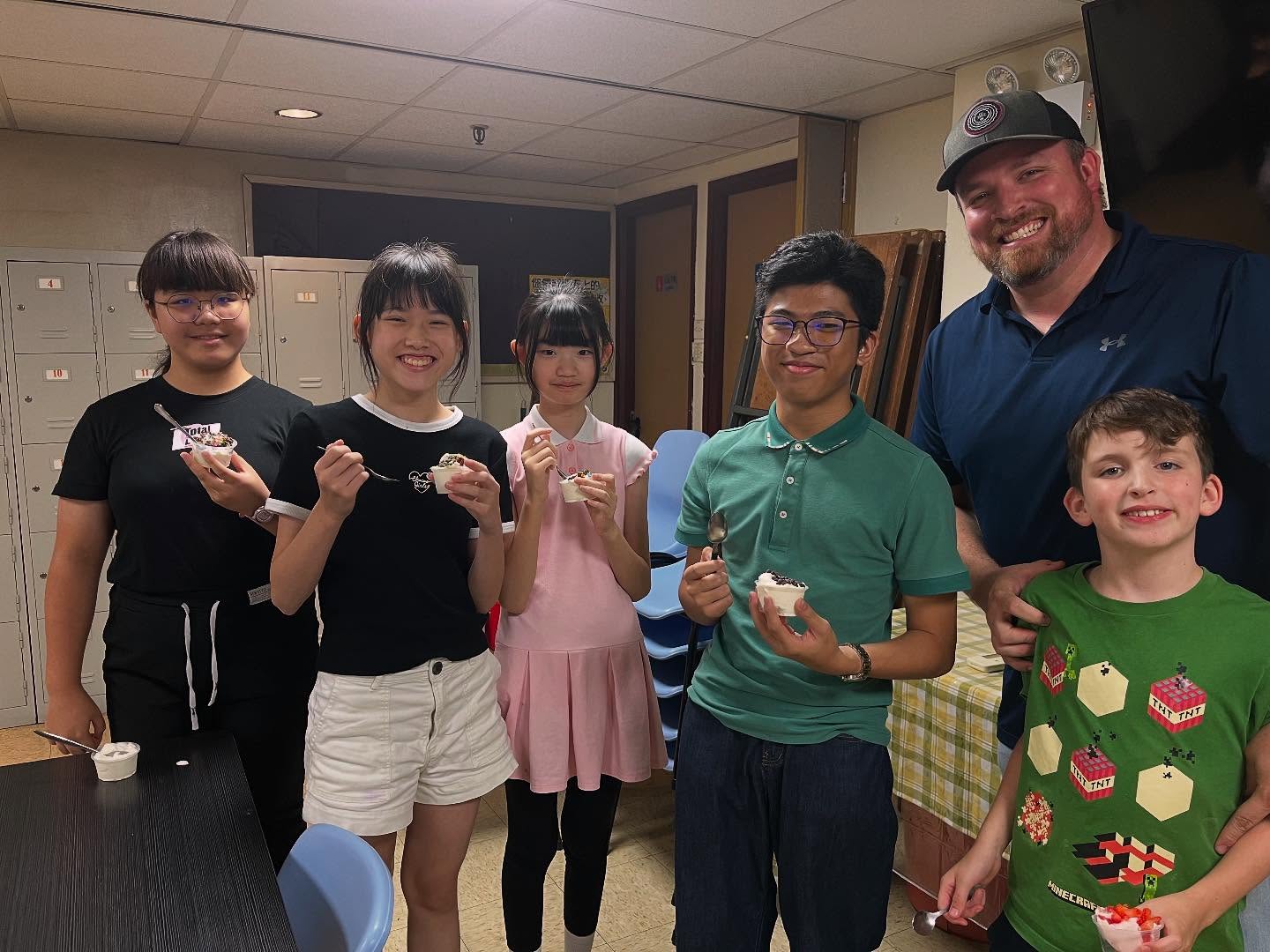
June 30, 2026 • 18 Minute Read
Missionary Prayer Letters - June, 2026
Go ye into all the world, and preach the gospel to every creature. — Mark 16:15 Another rich season of reports from our missionaries around the world! Here is a summary of recent highlights, praises, and prayer needs. Ballou Family — New Castle, PA (Church Plant: Keystone Baptist Church) Let me take a moment to thank you for your faithful prayers and support since we started the Keystone Baptist Church last year. We are grateful for your partnership in the gospel for the people of New Castle. We are overjoyed at the great response we have had with many getting saved, baptized, and discipled. There is so much work to be done yet and we are just getting started. I trust that you saw in our last letter or on facebook that we have an opportunity to buy a church building. If you did not get a chance to see the video that we put out please take a moment to watch it. Baucum Family — Yuen Long, Hong Kong (Ben & Ashli | reachinghongkong.com) Highlights: The Baucums report a full and fruitful spring in Hong Kong. School continues there until mid-July, and while the adjustment has had its struggles, the children — Levi, Titus, Jude, and Selah — are thriving by God's grace; the family is now praying through whether to continue local school or return to homeschooling in the fall, weighing language acquisition against the children's spiritual formation. Sending church pastor Ryan Thompson and his son Trey visited for nearly five days in April, packing in six speaking opportunities at the church. In May, Ben was honored to preach for Liberty Baptist Church's Mother's Day and Anniversary service, a congregation planted 18 years ago by friend and fellow laborer Andrew Au. The church also held its first community outreach event ahead of summer VBS, where two young people trusted Christ roadside and several first-time guests attended the following Sunday. May closed with a churchwide overnight worship retreat — BBQ, games, singing, and challenges from God's Word, with the only casualty being a broken light during a game. June brought the long-prayed-over launch of the church's English worship service on June 14, drawing around 20 in attendance, with Ben's brother Tim and his family present to help serve. The Baucums also testify to a remarkable provision: a wealthy Christian family donated a like-new vehicle to them at no cost, and the Baucums in turn passed on their previous vehicle to another local pastor newly returned to Hong Kong. Praises: Two souls saved through the pre-VBS outreach event, with several first-time guests the next Sunday Successful launch of the English worship service on June 14 with about 20 in attendance A vehicle provided at no cost, allowing the Baucums to bless another local pastor with their previous one Pastor Ryan Thompson's encouraging visit and six speaking opportunities Andrew Au and Liberty Baptist Church's faithful, sacrificial ministry over 18 years Prayer Requests: Wisdom for the Baucums regarding local school vs. homeschooling for their children this fall Growth and fruitfulness for the new English worship service and outreach to Yuen Long's English speakers This summer's VBS outreach and continued gospel conversations in the community Continued partnership and provision from Liberty Baptist Church, Newport Beach, and other supporting churches Canavans — Dublin, Ireland (Daniel & Beth | BIMI | Sending Church: Heritage Baptist Church, Woodbridge, VA) Highlights: What a season of baptisms in Dublin! Angelica, whom the Canavans met through Art Camp back in August 2024, was baptized after a long journey of growth — her mother and brothers had already professed faith, but she was shy about the step of baptism until her brother Gabriel decided to be baptized too, which gave her courage. Gabriel's own story is a powerful testimony: he and his older brother Samuel began meeting with Daniel weekly for discipleship. Because of a language barrier (the family is from China), Daniel carefully taught through salvation just to be sure the boys understood — and discovered partway through that Gabriel was not actually saved. Daniel had the privilege of leading him to Christ on the spot. Like a good big brother, Gabriel then encouraged his sister to be baptized alongside him. A third baptism, Damian, came about after he visited the Canavans' home to fix a dent in their car — Daniel shared the gospel over a cup of tea, and Damian, already familiar with the gospel through online preachers, was glad to have someone walk him through it in person. He later bowed his head in Daniel's office and trusted Christ. Praises: Three baptisms: Angelica, Gabriel, and Damian Gabriel led to genuine salvation through careful discipleship Damian's family and friend in attendance for his baptism Prayer Requests: Summer Teen Retreat and Summer Camps More Irish people saved and added to the church A stable housing situation for the Canavan family Help for Andrew, Shauna, and their church plant to buy a building Aidan, Marck, and Niall to be saved For Damian's mother, wife, and friend to also accept Christ Dr. P.D. Cherian — South India Baptist Bible College & Seminary (International Partnership Ministries | Hanover, PA) Highlights: This report carries both sobering and praiseworthy news. Several weeks ago, three Baptist preachers were shot and killed while trying to negotiate peace between the Naga and Kuki tribes — many SIBBC&S students come from these very tribes in the North East, and the violence reflects an age-old tribal animosity the government has done nothing to stop. Amid this, the school year is beginning, with the college and seminary expected to be maxed out at 425 students and the Christian School topping 900 students. From February through April, 539 people received Christ as Savior, and eleven followed Him in baptism. One especially striking report comes from Uttar Pradesh, a state under an active anti-conversion law making gospel proclamation legally dangerous — there, faculty member Karthick and a local pastor saw six new believers publicly baptized despite real legal and social risk. This summer's Vacation Bible Schools (English and Tamil) reached 233 children combined, with 53 trusting Christ. The 40th Closing Commencement saw 122 graduates receive diplomas and degrees, and the 44th academic year begins in the second week of June. Praises: 539 professions of faith and 11 baptisms (Feb–April) Six believers baptized despite anti-conversion law risk in Uttar Pradesh 53 children trusted Christ through VBS ministries 122 graduates from the 40th Commencement Prayer Requests: For the families of the three slain Baptist preachers and for peace between the Naga and Kuki tribes Wisdom in discerning which incoming students God is calling to ministry training Faculty Housing — $250,000 needed for nine new faculty quarters Solar Panel Installation — $10,000 per building for nine campus buildings Campus Baptist Church Building — $500,000 needed ($100,000 already provided) Monthly Student Support — an additional $5,000/month needed A school building roof repair estimated at over $20,000 Rising food costs for those living on campus amid inflation Gates Family — Dearborn, Michigan (Reaching Muslims in Dearborn, MI | Macedonia World Baptist Missions | Sending Church: Maranatha Baptist Church, Yorktown, VA) Highlights: The Gates family reports an "abundance of blessings" in their outreach to the Arab and Muslim community! Their Spring Festival saw attendance jump from about 75 people on a rainy first day to nearly 300 the next — mostly Muslims — with many responding in both English and Arabic to "I have decided to follow Jesus." A woman who had studied for years with Jehovah's Witnesses but felt something wasn't right is now faithfully attending services after a door-to-door visit. A visiting group from Indiana included Sister Hadiza, who shared a powerful testimony of coming from the darkness of Islam into the light of Christ. The Gates also went to Cleveland for the pre-World Cup Egypt/Brazil soccer game, arriving hours early to pass out hundreds of gospel tracts to the crowd. Their college ministry continues bearing fruit — one Muslim student who has attended for years keeps returning to learn more, and a student from a Catholic background made a profession of faith. Their summer park ministry has launched in full throttle, using a Bible/book table with cold drinks to build relationships and open spiritual conversations, including one recent talk with a Muslim man about the Trinity. Family Matters: Joshua has been struggling with small seizures lately. All the kids finished the school year well. Ryan and Sandy are headed to South America for a mission trip, where Ryan will preach at Teen Camp and area churches. Praises: Nearly 300 attended the Spring Festival, mostly Muslims A former JW now faithfully attending church A Catholic-background student professed faith Sister Hadiza's testimony of salvation from Islam Hundreds of tracts distributed at the Egypt/Brazil soccer match Prayer Requests: For those who heard the gospel at the Spring Festival to be saved Assurance of salvation and growth for new believers For Joshua's health — seizures and ongoing struggles For Pastor Girgis and the Egypt ministry For the upcoming Christ Is the Gospel Conference, August 26–28 For Shia Muslims as they begin Ashura Safety for Ryan and Sandy's mission trip to South America Hilliard Family — Amazon, Brazil (Nic & Shaney | Unreached Amazon | Sending Church: First Baptist Church of Milford, Ohio) Highlights: The Hilliards write with a season marked by both busyness and deep family transition. Nic has been teaching through the book of Acts, which has been a wonderful catalyst for growth and questions within their local church, and God has opened doors with several local pastors — though opportunities with the indigenous communities have hit some roadblocks. Shaney continues teaching three English groups (children at the local Christian school, adults and teens on weeknights, and an advanced Saturday class), along with Sunday School at a partner church. They are preparing to host an incoming BIMI team next week. Family News: In April, Shaney was able to travel to Missouri for two weeks to see her grandmother before she passed away — a precious gift of time. Sadly, in May, Nic's grandmother also passed, and Nic was unable to travel back due to a delayed passport. Both grandmothers were the last living grandparents for Nic and Shaney; after 7½ years on the mission field, all their grandparents have now passed away. They expressed deep gratitude for the hope found in Christ during this loss. On a happier note, the children are nearly finished with this year's homeschooling (Gabriel heading to 5th grade, Adelyn to 4th, Caleb to 2nd) and are thriving in the local community through Brazilian Jiu-Jitsu and soccer. Praises: Shaney was able to see her grandmother before she passed The children are nearly finished with the school year Growing connections with local pastors Prayer Requests: Further inroads with local indigenous groups Finalizing logistics for an upcoming medical group visit For the visiting BIMI team's spiritual impact on the surrounding communities Comfort for the Hilliard family in the loss of both grandmothers Honeycutt Family — Establishing Chinese Churches (John & Cathy | World in Need Baptist Mission | Sending Church reference: Faith Baptist Church) Highlights: The Honeycutts share that prayer is, above all, about communication with God — including listening as well as speaking, so they can receive His direction for the work ahead. New house churches are starting in Taiwan, with workers seeking out those receptive to the gospel. Three new church planters are currently in training, and disciples and disciplers are pictured graduating and meeting together — a reminder that the multiplication of disciple-makers is key to spreading the gospel across Asia. Prayer Requests: Wisdom and safety for disciples and disciplers in the Hong Kong churches Courage from God for new disciples facing persecution and security concerns New house churches in Taiwan to find receptive hearts The three new church planters in training — that they would gain the faith needed to begin ministry Bible Institute graduates entering full-time ministry — that they would see great results For the Word of God to break down spiritual obstacles across Asia Knickerbocker Family — Burkina Faso, West Africa (Stephen & Julie | WWNTBM | Sending Church: Temple Baptist Church, Powell, TN) Highlights: After three years without a full visit to family in the US due to visa restrictions, the Knickerbockers were finally able to spend meaningful time stateside — meeting Stephen's brother's two newest children (Hudson and Vivienne), reconnecting with cousins, and spending precious time with Julie's parents. They were grateful for opportunities to present, report, and preach in several churches during this time. Back home in Burkina, despite "many adversaries" — including a vehicle accident that required surgery for one new believer, and several cancellations — the Bible study in Pitmoaga continues under David's faithful leadership, and Germain continues leading a thriving second church plant. The visa situation for US citizens remains unresolved, though the Knickerbockers are in contact with people working on their behalf and have heard of positive outcomes for others. They are looking ahead to a 2027 furlough — their first full report-back season in 4 years — and are already scheduling meetings. Praises: Rare and treasured family time in the US after 3 years apart Junior Camp fundraiser completed The man injured in the vehicle accident has recovered Korben recovered quickly from a fall requiring 3 stitches Paterne and his wife welcomed a new baby The Pitmoaga Bible study continuing under David's leadership despite obstacles Prayer Requests: President Traoré and the fight against terrorism Pastoral training of David, Jean, Germain, William, and Emmanuel Spiritual growth of Paterne, Anassa, and Amed Spiritual and physical growth of the churches More members involved in outreach and kids' club ministries Robert's full recovery Visas for US citizens to be approved Wisdom in upcoming ministry decisions The Bible study at Pitmoaga and the approaching Junior Camp Lovegrove Family — Ethiopia (Joshua & Ruth | Sending Church: Lighthouse Baptist Church, North Tonawanda, NY) Highlights: "Lots of work and lots of salvations!" The Lovegroves share two especially powerful testimonies of the gospel's power. Lelesay, a teenage girl, began attending church a few months back and has not only remained faithful but has brought friends — two of whom were recently saved. Abdi, a religious man who had never been to a Christian church before, came after someone shared John 14:6 with him and told him Jesus was the way, the truth, and the life; he was gloriously saved out of a Muslim and witchcraft background. Their 2026 Vacation Bible School, themed on redemption through Christ's blood (Ephesians 1:7), reached 167 children with 25 trusting Christ as Savior, plus at least 2 adults saved on VBS Sunday. Mother's Day saw at least 20 moms celebrated, and their Annual Men's Event drew over 30 men and boys for fellowship around God's Word. Joshua and Ruth celebrated their 16th wedding anniversary in June, and their three sons all finished their school year, with the older boys helping lead VBS games and activities. Praises: 25 children and 2+ adults saved through VBS 2026 Lelesay's two friends saved through her faithful witness Abdi saved out of a Muslim/witchcraft background Strong Mother's Day and Men's Event turnout 16 years of marriage and ministry together Prayer Requests: For Berhanu, Roman, and Teddy as they take on added ministry responsibilities God's continued power, grace, wisdom, and strength as the family prepares for a busy furlough (July–November) Ottosen Family — Reaching the Kamea of Papua New Guinea (Jason & Cherith | Sending Church: Capitol Baptist Church, Dover, DE) Highlights: After two years of weekly classes on foundational Bible subjects, members of Komako Baptist Church saw their first Bible Institute graduation — seven students (three men, four women) completed the coursework, having unknowingly been trained as teachers themselves through the requirement to instruct others in what they learned. Twelve Christians from Komako village followed the Lord in baptism, including seven youth, four children, and a grandmother named Sarah. Twelve more were baptized in Iwaina Village despite cantankerous neighbors blocking access to the usual river, forcing a 20-minute detour — yet the atmosphere along the river that day was unforgettable, filled with singing and a large crowd of onlookers. As the Ottosens departed for furlough, they expressed deep gratitude for the strong national leadership now in place: Pastor Jack, Preacher Rafort, and Stenford are caring for two thriving churches, while eight more villages have requested workers to bring them the gospel. Pastor Jack recently led a team on a 10-hour hike to preach in Hauwabango village. Praises: Seven graduates from the two-year Bible Institute program 24 total new believers baptized across two villages Strong national leadership team now overseeing the ministry Safe return to the United States for furlough Prayer Requests: For God to raise up enough workers to cover the eight villages requesting the gospel For Jack, Rafort, and Stenford as they carry the ministry during furlough For safety and fruitfulness throughout the family's furlough travels Ruppel Update — Rhadee & Austin in the Philippines (Rodney Ruppel, reporting on his daughter and son-in-law) Highlights: Rodney shares an urgent and moving update about his daughter Rhadee and her husband Austin, missionaries in General Santos, Philippines, working alongside the Sisson family since 2024. On Monday, June 8th, a devastating 7.8 magnitude earthquake struck their city — the largest in the area since 1976. Commercial buildings collapsed just blocks from their home, many houses were destroyed, and tragically over 60 people on the island lost their lives. Rodney expresses deep pride in Austin and Rhadee: their two years of diligent language study prepared them for this very moment, with Austin preaching regularly in the local language and Rhadee recently teaching at a local church in it as well. Since the earthquake, the couple has worked tirelessly to provide food and clean water to the hardest-hit areas, and a team of men has arrived to help repair church buildings and homes. Prayer Requests: Continued safety for Rhadee and Austin amid ongoing aftershocks (a 6.6 magnitude aftershock hit June 15th, among others) Physical and emotional strength as repair and relief work continues For the many ongoing needs in the earthquake-affected areas A Cambodia update is expected soon from Rodney as well Stikeleather Family — Rock of Ages Ministries (Prison Ministry, Philippines) (Larry & Diane | Rock of Ages Ministries) Highlights: May was an exciting and productive month for Rock of Ages Ministries. Bro. Jock Deanon, a faith volunteer who has served in the prisons for 18 years, married Jonah after the Lord clearly moved on both their hearts to pursue missionary service together. Jock has now begun Missionary Candidate School, a week of intensive classes covering everything from being called to resolving conflict, taught by a training team including Larry Stikeleather, Mark Waddington, Michael Adams, and John Shelley. Applicants who complete the training and still sense God's calling are presented to the Rock of Ages board of directors, who will make a final decision in September. Wonderful news as well: two formerly incarcerated men, Bro. Philips and Bro. Jim, who were saved in prison, have been released and are now carrying God's Word into the jails themselves. God has also opened two brand-new jail ministries — District City Jail (Friday mornings) and Handumanan City Jail (Friday afternoons) — both of which include women's sections. Praises: Jock and Jonah's marriage and calling to missionary service Two saved former inmates now ministering inside the jails Two new jails opened to the ministry, including women's sections Prayer Requests: For Jock and Jonah's Missionary Candidate School process and the board's decision in September For continued open doors and fruitfulness in the new jail ministries For Bro. Philips and Bro. Jim as they minister to those still incarcerated Closing Encouragement From baptisms in Dublin to an earthquake response in the Philippines, from anti-conversion laws in India to a wedding in a prison ministry, our missionaries are walking through both great joy and great trial this season. Whether the news is a salvation testimony or an urgent need, every report is a reminder that the work of the gospel goes forward because faithful people are willing to hold the rope through prayer and giving. Would you take a moment this week to lift up at least one of these families by name? "And we know that all things work together for good to them that love God, to them who are the called according to his purpose." — Romans 8:28Download June Prayer Letters

May 29, 2026 • 20 Minute Read
Missionary Prayer Letters - May, 2026
What a joy to receive fresh reports from so many faithful servants around the world! Here is a summary of the latest highlights, praises, and prayer needs from each of our missionaries. John & Lena Allen — Papua New Guinea Bible Translation — Kamea New Testament Just a couple of weeks ago, something happened for the first time in the history of the world — a Kamea New Testament app became a reality. The Kamea people have never before had a digital New Testament in their language. The app already includes audio recordings of John chapters 1–9, read by Pastor Ben in the Kamea language, so that those who cannot yet read can still hear God's Word. People can share it by Bluetooth, passing the New Testament from phone to phone the way they have always shared the things that matter most — face to face, village to village. The app will soon be available on the Google Play Store. John gives a moving account of how Bible translation works: years of living inside the language, identifying national believers with both language skill and theological understanding, drafting and revising, testing every passage with native speakers, and working toward the day it can be printed. Eleven years of labor have brought them to a complete document — and now, by God's grace, the Kamea people do not have to wait for printing to hold the Word of God in their hands. Praises: The first-ever Kamea New Testament app is now a reality Audio recordings allow even non-readers to hear Scripture in their heart language Prayer Requests: That the app would reach into the mountains where most of the Kamea people live, and that God's Word would find its way into hearts that have never clearly heard it For the upcoming graduation — for the graduates, their families, and the churches that sent them Matt & Becky Allen Family — Papua New Guinea Church Planters | Capital City Baptist Church, Port Moresby | Landmark Independent Baptist Church, Louisville, KY God is blessing greatly at Capital City Baptist Church in Port Moresby, which was started 11 years ago with the purpose of glorifying God by knowing Christ and making Him known. The congregation is now at a thrilling milestone — they are sending out their very first missionary! Braxstone and Brianna Yansom, a young couple with a sweet testimony, grew up in the ministry, went to the US for flight training, but felt called of God to return to PNG as missionaries. Capital City Baptist Church will be their sending church — a tremendous encouragement to Matt. Additionally, at the end of April, three from the church joined a team of missionaries and pastors for a 10-day evangelistic outreach in the Kikori Delta — the very region where pioneer missionary James Chalmers was martyred in 1901. They were received well, though the Gospel is not being preached there. Matt also shared that a building contract was signed for a cafeteria, two more classrooms, and offices — to be completed by October, and more than 90% funded through donations from within Papua New Guinea. Matt teases a coming "Special Edition" letter about the next big chapter: South Pacific Christian University. Praises: Capital City Baptist Church is sending out its first missionary The school building expansion is moving forward, debt-free Four children from Ghana (the Andam family) were baptized in the church Prayer Requests: For the Kikori Delta — that the Gospel would have free course in that region For Braxstone and Brianna Yansom as they begin deputation For the South Pacific Christian University initiative — wisdom and many moving pieces Barbosa Family — Philippines (On Deputation) Andrew & Mel | barbosafamilymissions@gmail.com The Barbosas are faithfully traveling in deputation with a goal of reaching the Philippines field by the fall of 2027. Since the beginning of 2026 they have visited ten churches, seen God provide in remarkable ways, and made lasting friendships. The biggest news in their family this report: their son Dean was born on March 29th! Even big brothers Rory and Damian are enjoying him — so far! They are currently at about 35% of needed support, with a full calendar of meetings ahead. They are trusting God for strength and provision as they travel with a newborn. Praises: Baby Dean born safely on March 29th God's evident hand of provision and blessing in deputation meetings Full calendar of meetings already scheduled Prayer Requests: That they would reach 100% of support and be on the field by fall 2027 For strength and safety as they travel on deputation with a newborn For the Lord to continue opening doors in churches Bearing Precious Seed — Bible Printing Ministry Al Braley, Director | First Baptist Church of Milford, Ohio Bearing Precious Seed writes directly to Faith Baptist Church, and we are grateful to be partners in this vital Word-printing ministry! In just the first four months of 2026, they have printed 3,466,480 Scriptures in 8 languages. One notable first: the Bible and John & Romans were printed in the Albanian language for the very first time through BPS. Two containers of Scripture have been shipped to Germany and one to Colombia in the last two months — six containers total so far in 2026. Six volunteer groups came in during March and April to help, along with an average of 10–15 volunteers per day from area churches. Lead pressman Jerry McNealy, who has served BPS faithfully for 23 years, was able to make needed equipment repairs, keeping production moving and saving the ministry many thousands of dollars. Praises: Over 3.4 million Scriptures printed in the first four months of 2026 First-ever Albanian Bible and John & Romans printed Equipment repaired — production continues Strong volunteer support from area churches Prayer Requests: For the third shop employee still needed (two of three have been hired and are training well) For God to continue supplying the funds to print and ship His Word around the world If interested in scheduling a BPS presentation at FBC, contact their office at 513-575-1706 Childers Family — Grenada, West Indies Joseph, Donna, Brielle, Ryan & Noelle | BIMI The Childers family — our very own supported missionaries — report a full and fruitful few months! March opened with the annual Christian School Sports day, their smoothest and largest yet, which also served as a fundraiser that raised enough to finish purchasing tiles for one of the school buildings. A BIMI CLAIM team (Christian Laymen Assisting in Missions) arrived in April to do tile work, brace the roof so ugly pillars could be removed from the sanctuary, and assist with other projects — a tremendous blessing. Joseph was especially moved that his oldest brother Charles was able to come and visit Grenada for the first time. The church plant celebrated its 9th anniversary around Easter and had their best attendance in quite a while, including 4 older ladies attending with some consistency. The school building construction continues with the foundation poured, blocks erected, and decking built for roof pouring — approximately 80% of the needed funds have been provided. Additionally, 15% of the funds needed to purchase the land next door are now available. Best of all, two students came to know Christ as Saviour — a reminder that every hardship and sacrifice is worth it. Challenges: The family has faced vehicle repair issues, home maintenance problems, continued health battles, and a teacher leaving the school, along with the recent passing of Sister Pam — a longtime attender and spiritual pillar in her family. Please pray for her husband Ben and the Antoine family. Praises: Two students saved School building construction nearing completion — 80% funded CLAIM team came and made significant building improvements Best Easter attendance in a long time Prayer Requests: For God to provide men willing to step up and lead within the ministry For the school building project to be completed and land purchase to proceed For the Antoine family, who lost Sister Pam Financial needs — ongoing support for the ministry For the Childers family's physical and spiritual well-being Clay Family — Ivory Coast / Going to Mali Josh, Alyssa, Adelynn & Judah | BIMI The Clay family is wrapping up their furlough and heading back to the mission field! They have purchased return tickets for June 23rd. While furlough has been sweet — enjoying family, friends, Taco Bell, and mission conference meetings — they are eager to reunite with their Ivorian church family and get back into church planting ministry. They describe it as a "bittersweet moment" — bitter to leave loved ones, but sweet to return to the work God has called them to. Prayer Requests: Finishing the last couple months of furlough meetings Packing, storing, selling items (including vehicles), and all the logistics of returning to the field Visas and legal paperwork — including the Anan land building permits Readapting to language, culture, and reconnecting with church family Safe travel for the whole family on June 23rd The DeLongs — Papua New Guinea International Representative | BIMI The DeLongs open their letter with a moving reflection on William Carey and the "rope-holding pledge" — reminding supporters that their prayers, finances, and encouragement are what make missionary work possible. In March and April, the Lord blessed with speaking opportunities in Indiana, Tennessee, Connecticut, Pennsylvania, Alaska, and West Virginia. Seven individuals trusted Christ as their personal Saviour during those meetings, and many committed to "hold the rope" through prayer, giving, and going. Back in Cairns, Australia, the church continues its search for a new facility or property, as the surrounding area is growing rapidly and the need for a solid independent Bible-believing witness there is tremendous. Praises: Seven souls saved during stateside speaking meetings Many new rope-holders committed to missions Fruit from decades of faithful ministry Prayer Requests: For the Cairns, Australia church — wisdom in finding a new facility or property For the rapidly growing Cairns area to have a strong independent Baptist witness For Lauren and the church family in Cairns Stanley & Melinda Ewing — Far East Field Director Macedonia World Baptist Missions Stanley reports wonderful answers to prayer! The stolen motorcycle has been replaced, and a van was purchased for the church in Purworejo, Indonesia. Pastor Jemingan's smiling face on video when he picked it up was a great encouragement. A missionary had upgraded to a larger van and sold the Ewings his old one for about half its value — the Lord's provision working through His people. The Ewings continue attending all MWBM board meetings, interviewing missionary candidates, and helping with orientation and training sessions. They are rejoicing that the Noah Absher family was recently approved to serve in Laos, and another family is preparing to apply for Far East service. Praises: Stolen motorcycle replaced Church van provided for Purworejo at a greatly reduced cost Noah Absher family approved for Laos New missionary candidates moving toward the field Prayer Requests: For new families with a burden and calling to the Far East Open doors for mission conferences and church reporting opportunities For the ongoing training and orientation of new missionary candidates Ford Family — Moldova Daniel Ford | BMFP | pray4moldova.org Easter in Moldova is the most culturally significant holiday, but the true Gospel is buried under Orthodox tradition. Daniel preached at Easter about how the Passover lamb in Egypt pointed to Christ — His death, burial, and resurrection. The service also included a baby dedication for three young families. Daniel is burdened that these families would come to personally know Christ as Saviour and raise their children to do the same. Daniel has been running a basketball program at a local school each Monday, drawing around 20 teens. Over the course of the school year, more teens from basketball began attending Friday afternoon youth group. The youth group has grown tremendously, studying the life of David — a man after God's own heart. A two-month team competition brought over 10 first-time youth group visitors from one team alone. Some have made professions of faith, though many come from Orthodox homes and need much patient teaching to understand their need for a Saviour. Praises: Youth group growing significantly Some teens making professions of faith Basketball program opening doors for gospel ministry Prayer Requests: That the Gospel would truly change lives in Hincesti (April) For the teens who have made professions to grow in their faith For many more teens to come to know Christ personally For the young families who dedicated their babies to continue seeking Christ Gates Family — Dearborn, Michigan Ryan & Beth | Missionaries to the Arabs of America | Macedonia World Baptist Missions God is opening remarkable doors for gospel witness among the Arab and Muslim community in Dearborn during Ramadan and beyond. An evangelistic team came in from Oklahoma and visited local mosques, witnessing to Imams. On Resurrection Sunday, 11 Muslims came to hear about the resurrection of King Jesus — coming through an ESL class and door hanger invitations. An old contact from Henry Ford College showed up at the church the day after a gospel conversation, then attended Sunday services! Beth and Sister Jessie witnessed door to door to Muslims who were open to learning about other faiths. Ryan also helped set up a debate between the Christ of the Bible and the Isa of the Quran, making gospel contacts from those who attended. They are developing tracts and resources to help other churches reach Muslims, and Ryan is building seminars and training to equip the broader body of Christ for Muslim outreach. Family Matters: Sandy turned 16! Emma and Noah are enjoying volleyball. Joshua is engaging with Bible passages and the TorchLighters missionary series. Praises: 11 Muslims heard the Gospel on Resurrection Sunday Gospel conversations happening regularly with seekers Team from Oklahoma came to assist in evangelism during Ramadan Prayer Requests: For the Imam Ryan is hoping to meet with — that he and his brother would be saved For Muslims encountered through outreach to come to Jesus For the tracts and training resources being developed for Muslim evangelism For Joshua — that he would continue to grow in his understanding of the Word For the Lord to bring these seekers into the church Hall Family — New South Wales, Australia Jon & Marie | Shoalhaven Baptist Church | FBWM The Halls are celebrating 28 years of planting churches in Australia! At Shoalhaven Baptist Church, visitors continue to come, regular attendance is increasing, and young believers Mitch & Breanna are growing steadily in the Lord. Nathan & Chloe are happy new parents to baby Madeline. On the Hall home front, son David married Grace on April 23rd in a beautiful ceremony in the Blue Mountains west of Sydney — officiated by Jon himself. Jon also teaches two classes at Sydney Bible Baptist College and continues his ministry connection with Lighthouse Bible Baptist Church in Ulladulla, where Pastor Reeve and his wife Noel are expecting their first child in July. The church is working toward installing Pastor Reeve as senior pastor. A first grandchild is also on the way — Jon and Marie's daughter Sara and son-in-law Sid are expecting in early July. Challenges: Two families have recently left the church — one with a charismatic lean, one unhappy with the missions emphasis. A man named Neil has cancer and needs to be saved; his condition has left him very weak. Praises: 28 years of faithful ministry in Australia Growing attendance at Shoalhaven Baptist David and Grace's wedding New baby granddaughter coming in July Prayer Requests: For both mothers of Mitch and Breanna — assurance of salvation, church attendance, growth in the Lord For Neil — to be saved; for his wife Kay, who is unable to attend services while caring for him For Pastor Reeve and Noel at Lighthouse — God's leading in ministry and home For Pastor Reeve to find secular work in the area and move closer to the church For the Halls to return from furlough successfully at year's end Harris Family — North Dakota Jimmy & Carolyn | Missionaries to North Dakota Jimmy and Carolyn have been faithfully serving in North Dakota for 15 years, rarely returning south. From February 26th to April 14th, they made a 7-week, 3,600-mile trip from Pennsylvania to Georgia to raise money for their new church building. God blessed richly — nearly $15,000 in cash and building materials, including interior doors, all the lighting needed, all electrical wire and breakers, a PA system with speakers, and two attic ladders. God even provided for their travel expenses. While on the trip, Jimmy was greatly encouraged by fellowship with pastors who have faced the same trials he faces. They also got to visit family members they had not seen in years, and some they had never met. Sadly, a pastor friend they visited, Bro. Jerry Barker, went home to be with the Lord just a week after their visit. Please pray for his wife and family. Back in North Dakota, Pastor John and Ms. Sonia — a faithful Filipino couple who have worked with the Harrises for a year — held things together in their absence. Praises: God provided nearly $15,000 in cash and substantial building materials for the new church building Travel and personal expenses provided Pastor John and Ms. Sonia faithfully served during the trip Prayer Requests: For their congregation — both the saved and those not yet saved For their three sons — they lay heavy on Jimmy and Carolyn's hearts For the family of Bro. Jerry Barker, who recently went home to be with the Lord Honeycutt Family — Establishing Chinese Churches John & Cathy | World in Need Baptist Mission | TheHoneycutts.org The Honeycutts report a tremendous blessing: over 2,000 Bibles were placed with new and young Christians in the last 60 days! John reflects warmly on watching his father print and provide Bibles in the Philippines in 1973 — and the ministry of God's Word continues through his own hands. The ordination service for their pastor in Hong Kong has now taken place. He is a wonderful leader and preacher, and John believes he will have a ministry spanning several countries in the near future. The Honeycutts continue to be deeply grateful for the partnership of Faith Baptist Church. Praises: Over 2,000 Bibles placed with new believers in 60 days Hong Kong pastor ordained Prayer Requests: For the newly ordained Hong Kong pastor — safety for his family, wisdom in ministry, provision for daily needs For the new churches starting in difficult areas — souls to be saved, discipled, and spiritually mature For the 5 Bible Institutes training church planters — God to open doors to other countries for those being called Rosko Family — South Korea Bruce & Sue | Lighthouse Baptist Church | Baptist Missions to Forgotten Peoples | lighthouseinkorea.com Bruce and Sue greet us from South Korea with grateful hearts. Their Resurrection Sunday service had great attendance with several first-time visitors and a special fellowship meal. On April 12th, four new converts were baptized, and more converts are waiting to be baptized soon. Season Smith, a faithful member they have been praying for, completed the advanced discipleship course — a great encouragement. Next month Bruce and Sue will celebrate their 44th wedding anniversary. Despite ongoing health issues, Sue faithfully translates every service into Korean and handles many administrative tasks. Praises: Four baptized on April 12th — more waiting for baptism Season Smith completed advanced discipleship course Strong Resurrection Sunday attendance 44 years of faithful marriage and ministry partnership Prayer Requests: For Sue's health — please pray for her consistently For the new converts not yet baptized — continued growth and follow-through For the Lord's continued provision for all the needs of the ministry Rodney Ruppel — Cambodia Rodney writes with two encouraging updates. First, an upcoming pastors and church leaders conference on May 14–15 has approximately 150 people registered from 11 churches, with the theme "Pressing Forward Until Jesus Comes." Second — and most wonderfully — Saat trusted Christ as her Saviour on April 23rd and has been attending church every week since. Saat is Pastor Tho's sister-in-law. She was slow to come to understanding — her Cambodian background meant there was much truth to digest — but Rodney and Pastor Tho patiently reviewed the gospel with her week after week. When Rodney taught the death, burial, and resurrection of Christ, she was uncertain whether she believed it. More weeks of teaching followed. Then one day she woke up truly believing, put her trust in Christ, and has not missed a Sunday since. Rodney's note is beautiful: "It is such a privilege to witness God bring someone out of darkness and into His glorious light." Praises: Saat saved on April 23rd — attending faithfully 14 students completing Phase 1 of the Bible institute and continuing in Phases 2 and 3 Pastor's program (Phase 4) now underway Prayer Requests: For the conference (May 14–15) — that God would prepare the speakers and do a deep work in every heart, and that Christ's name would be exalted For the Online Bible Institute — that God would continue working in the hearts of students For more Cambodians to come out of spiritual darkness and into God's glorious light Sidler Family — Dominican Republic Steve & Nohemy | BIMI Steve writes with warm greetings from the Dominican Republic after nearly 30 years of ministry there. The fruit has been abundant — 15 churches started (with a 16th in the works) and a thriving deaf ministry of 20–25 people weekly, started 8 years ago by Mrs. Joy Wesson and now led by a group of trained faithful leaders. Souls are being saved and baptized through weekly door-to-door soulwinning in Quita Sueño and through regular services. This year, two weddings were performed through the deaf ministry — what a blessing! Summer Camp planning is underway, with the Sidlers reflecting on the transforming power of camp in the lives of young people. One powerful example: Francisco Méndez attended camp 15 years ago, missed an important career call while his phone was off — and while weeping, told Steve that God had called him to preach. Francisco and his wife Meghan are now on deputation to plant church #16 in Sanchez, Samaná — a fruit of one camp investment that will multiply for eternity. Camp costs $55 per camper; to help, send donations to: Missionary Steve Sidler, BIMI, P.O. Box 9, Harrison, TN 37341 — Summer Camp. Praises: 15 churches planted — 16th in preparation Thriving deaf ministry with trained local leaders Two weddings performed in the deaf ministry Francisco Méndez heading out to plant church #16 Prayer Requests: Funding for Summer Camp — $55 per camper For camp to continue producing preachers, church planters, and committed disciples For the two young men from Uruguay coming to assist with VBS New mailing address is temporary — patience as address will change again in a few months A Word of Encouragement What a diverse and glorious testimony — Scriptures being printed and translated, Muslims hearing the Gospel in Dearborn, young Cambodians waking up to saving faith, churches being planted from Papua New Guinea to the Dominican Republic to Grenada! The same Lord Who told His disciples "Go ye into all the world" (Mark 16:15) is still calling, still sending, and still saving. Let us be faithful to hold the rope — praying specifically, giving cheerfully, and encouraging our missionaries regularly. They are on the front lines because we are behind them. 1 Corinthians 3:8–9
Now he that planteth and he that watereth are one: and every man shall receive his own reward according to his own labour. For we are labourers together with God.Download May Prayer Letters
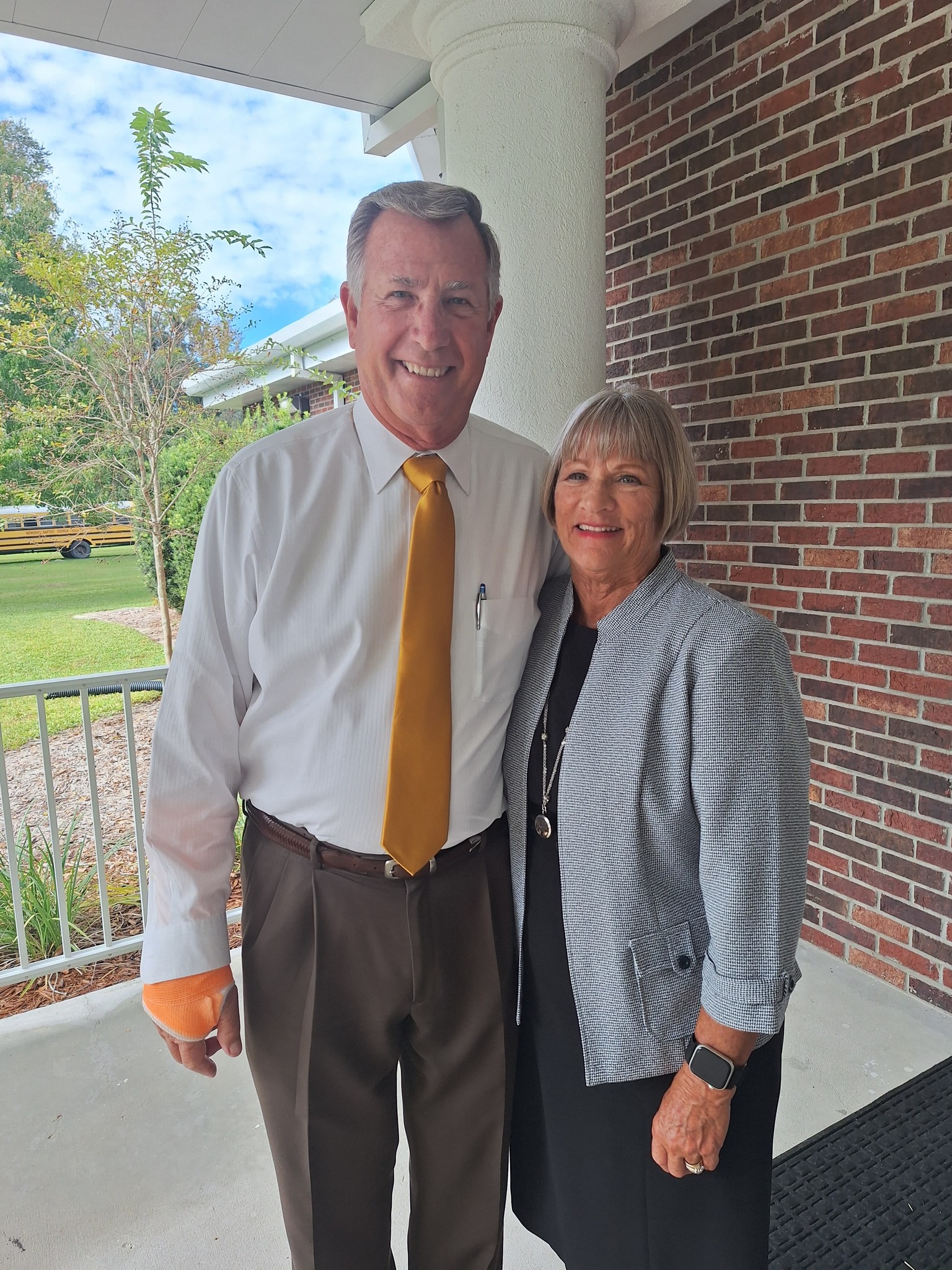
May 27, 2026 • 2 Minute Read
Honoring our Missionaries: Dr. Dave & Jill Smith
Matthew 25:21
...well done, thou good and faithful servant... After 55 years of faithful ministry, Faith Baptist Church is rejoicing with Dr. Dave and Jill Smith as they step into a well-deserved retirement from active missionary service. At their request, we recently sent our final support check to the Smiths, and with it goes with our deep gratitude and love. Supporting missionaries is one of our great privileges as a local church, and it has been an honor to partner with Dave and Jill in the work of the Gospel. Over more than five decades, Dr. Smith has faithfully preached the Word of God, loved people well, and carried the message of salvation to the world. In every role, he has served with humility and an unwavering commitment to biblical truth. And none of it was done alone, Jill has been right beside him every step of the way, modeling a Christ-centered marriage and a faithful ministry partnership that is a blessing and an example to us all. Dr. Smith's ministry has meant something very personal to our church family here at Faith Baptist. During a season of transition between pastors, before the Lord brought Pastor Braley to us, Dr. Smith was an incredible help and a steady, encouraging presence. He stepped in with grace and faithfulness at a time when our church needed it most, and we have never forgotten it. That kind of servant-hearted ministry is a mark of a man who truly loves the Lord and His people. Dr. Smith's own heart for those of us still in the race says it best — his desire is that each of us would finish well, that we would one day stand before our Lord and hear those precious words: "Well done, thou good and faithful servant." What a testimony. Thank you, Dr. Dave and Jill Smith, for your steadfast faith, your sacrificial service, and your devotion to Christ. Faith Baptist Church loves you and is grateful to God for every year He worked through your lives. 2 Timothy 4:7
I have fought a good fight, I have finished my course, I have kept the faith.
May 17, 2026 • 15 Minute Read
Missionary Prayer Letters - April, 2026
What an encouragement it is to see God at work through the missionaries our church supports! Here is a summary of recent highlights, praises, and prayer needs from our missionaries. Allinson Family — Mexico City, Mexico Chief Cities Ministries | Macedonia World Baptist Missions Jonathan and Rebecca are currently home on furlough, reporting to supporting churches and traveling extensively to raise support. In January and February alone, they visited 20 churches near Philadelphia and logged 500 miles. Jonathan also preached at 3 chapels and 2 Christian schools and a Bible college. The whole family recently traveled to Florida for a missions conference — a 2,500-mile trip. During a brief return to Mexico, Jonathan was thrilled to visit 2 of the 3 churches started through their ministry. He also sat down with church planters Josh and Katye Magner to plan a new church plant with a target launch date of November 8th, including a missions trip opportunity for approximately 30 people to canvass the area with invitations beforehand. Praises: God's protection during travel, including through an area of Puerto Vallarta that had experienced cartel violence just the week prior Churches planted through their ministry are thriving under faithful national leadership A brother graciously lent them a truck for furlough travel Prayer Requests: That 10 churches would commit to supporting them financially For the Josh and Katye Magner church plant — location, language, culture, and preparation of hearts For their children (Karla, 15; Alexandra, 14; Carter, 11) — wisdom for future decisions in school, college, and career For Rebecca's health (MS) and her shoulder For leaders: Pastor Carlos & Arell (1st Baptist), Jose & Liliana (Living Hope), Joshua & Katye (Lighthouse children's ministries) Anderson Family — Jamaica FBMI | Sending Church: First Baptist Church, Hammond, IN Five months after Hurricane Melissa, the Andersons report that while things appear to be recovering on the surface, many families are still struggling — blue tarps still cover roofs and many farms remain destroyed. Yet in every hardship they see opportunity to praise God! One church member, Kereen, lost her job in the tourism industry but started a food business, which has actually allowed her to attend church more regularly and bless her Sunday school class. Thanks to the generosity of supporters, the church distributed thousands of pounds of food and cleaning supplies to hurting families in a nearby community — one they had long prayed to reach. That outreach opened the door for a van route, professions of faith, and new ministry in that very community. Additional Ministry Highlights: Their youth competed in a national Bible quiz on the book of James, taking 1st place (senior team) and 2nd place (junior team) They held their 3rd annual Married Couples' Dinner, focusing on navigating marriage under the leadership of the Holy Spirit They partnered with a Christian medical team for their first-ever medical clinic — resulting in 5 first-time church visitors and 2 professions of faith Young men were baptized Praises: God's provision through the hurricane aftermath New outreach community opened for ministry Souls saved and baptized Prayer Requests: For continued recovery and needs in Jamaica post-Hurricane Melissa For the families still without stable employment or income For spiritual growth and outreach in the new community Ballou Family — New Castle, Pennsylvania Church Planting | Sending Church: New Testament Baptist Church, Butler, PA The Ballous are rejoicing over the results of "Operation New Castle," an aggressive evangelistic canvassing effort held over three Saturdays and the last week of March. Ninety-six soul winners knocked on nearly 8,000 doors, gained 146 interested contacts, and saw 10 souls trust Christ as Saviour! On Palm Sunday, two visiting families from the outreach attended services. On Resurrection Sunday, they had nearly 30 first-time visitors and 4 more souls trusted Christ. They have also launched Wednesday night services and a King's Kids program (10 children attended the first night), and are working to get church buses on the road. Praises: Tremendous fruit from the "Operation New Castle" outreach 14 total salvations reported in recent weeks Growing Sunday attendance Prayer Requests: For wisdom regarding their building — the owners are trying to sell, and if unsold by October 1st, the building will be shuttered For the children's bus ministry to come together (they have CDL-licensed drivers ready) For the church's offerings to grow — most members are brand new Christians still learning to give Continued financial support from churches and friends Ballou Family — Lamphun, Thailand Reaching Thai People with the Gospel | BIMI Southeast Asia The Ballous are now 10 years into ministry with "Sila" (Cornerstone) Baptist Church in Lamphun, and are deeply grateful for a thriving local church that is growing and multiplying. A young woman named Mi'eh, baptized nearly a year ago, continues to grow in faith while the family actively ministers to her parents. The Ballous celebrated a young man, Pipat, graduating from 9th grade and being accepted into a top high school. A church plant 2+ hours away is flourishing under the faithful Chermue family's leadership. Missionary Ballou brought his daughter and a 19-year-old young man, Dtii, to assist in ministry at the church plant — and came away grateful for God's work in Dtii's life. Progress toward a Bible institute is very encouraging, with a fall semester coming into focus. Additional Highlights: The BIMI Southeast Asia field conference was a great time of refreshment and vision-casting Grandma Ballou flew in to teach VBS-style classes for missionary kids during the conference Land is being prepared for a future church building Praises: 10 years of fruitful ministry in Thailand A church plant is thriving and discipling the next generation of leaders Bible institute development moving forward Prayer Requests: For Mi'eh's parents — that they would come to saving faith in Christ For Pipat — that he would walk with God and in wisdom For the Chermue family's continued faithfulness in leading the church plant For the Bible institute to come together for the fall Canavan Family — Dublin, Ireland BIMI | Sending Church: Heritage Baptist Church, Woodbridge, VA God is moving in Dublin! A Uyghur man named Perhiden, who has suffered brutal persecution by the Chinese government, came to the church through a gospel conversation in a park (via Google Translate!). He has been faithfully attending for 8 months, coming to Sunday services and Wednesday night men's Bible studies, and now appears close to receiving Christ. Praise God — Louise, a woman they had been praying for, got saved! The very next week she asked missionary Beth Canavan to speak with her children Hannah (10) and Oliver (8) about salvation. Hannah understood and trusted Christ, and Oliver did as well. Louise's husband Eugene then came to church, arranged to meet with the pastor about salvation, has now trusted Christ, and the whole family attends faithfully every Sunday. They are hoping to be baptized together as a family soon! Additionally, three ladies are learning to teach children's Sunday School, and a man named Rudy is helping lead the bi-weekly teen meetings. Praises: Louise, Hannah, Oliver, and Eugene all saved — an entire family! Prayer for teen helper: ANSWERED Perhiden is very close to salvation Prayer Requests: That Perhiden (and Aidan) would be saved More Irish people saved and added to the church Stable housing situation for the Canavan family Andrew, Shauna, and the church plant in Galway — safe pregnancy Dr. P.D. Cherian — South India Baptist Bible College & Seminary International Partnership Ministries | Hanover, PA God has been doing remarkable things through SIBBC&S and its related ministries. In January, Dr. Cherian preached at Trinity Baptist Church in Nagercoil where 6 believers followed the Lord in baptism. A week-long evangelistic crusade (January 21–25) drew 4,950 attendees over the week, with 190 adults trusting Christ as Saviour, including 105 responses on the final evening alone. In March, the seminary celebrated 124 graduates at their 40th Commencement, with many heading out to serve the Lord. Annual Ministry Summary: 3,777 professions of faith and 190 baptisms 23 new churches and preaching stations established 54 pastors receiving monthly support 1,630 students in Christian schools and the Bible college/seminary 6,483 children reached through VBS programs Quality study Bibles distributed in multiple Indian languages Prayer Requests: Two long-term supporting churches have announced they are ending support by June 2026 — urgent prayer for God to raise up new partners A third church is uncertain due to a pastoral transition Solar Power Initiative: working to install solar panels to power 10 buildings — currently have $3,566 of approximately $100,000 needed Summer VBS and youth camp ministry (March–May) Honeycutt Family — Establishing Chinese Churches World in Need Baptist Mission | Celebration, FL John and Cathy Honeycutt are actively working to establish Baptist churches among Chinese people. They report that an ordination service for their pastor in Hong Kong is coming up in the next few weeks. Several new churches are starting in difficult areas, and 5 Bible institutes are training church planters for ministry. Some of those students are sensing a call to go to other countries. The Honeycutts note a powerful truth in their letter: every major obstacle they have faced could not be overcome by creativity, money, contacts, or human skill — only God could solve them. That is why prayer is central to their ministry. Prayer Requests: For the Hong Kong pastor's upcoming ordination — that it would be an encouragement to him and his wife For new churches starting in difficult areas — protection from interference, souls saved, discipled, and growing For the 5 Bible institutes — that God would call and send out faithful church planters For doors to open for those sensing a call to other nations Mickey & Trina Cofer Mongolian Missions | Anchor Baptist Missions The Brave-Hearted Youth Summer Camp season launches in just a few weeks (June–September), and construction is underway to prepare for a summer full of young people. Every $100 sponsors one camper for a powerful week of preaching and fellowship. A most remarkable story stands out this report: a teenage girl saved at camp last summer returned to her spiritually dark hometown of Bayanzurkh village — known as the center of Shamanism in Mongolia — and began gathering classmates to hear the gospel. When the missionary team arrived for an outreach, they discovered a 67-year-old woman who had been preparing to become a family Shaman. She had visited her believing children in the capital city, received a Bible, and began reading it daily. One morning she put her trust in Christ, burned all her Shaman clothing and paraphernalia, and now opens her home freely for gospel services. God is planting a church in one of the spiritually darkest places in Mongolia! Praises: A church is beginning to take root in Bayanzurkh village — formerly a closed, spiritually hostile stronghold A former Shaman-in-training is now a believer with a vibrant testimony God answered specific prayers to open that community to the gospel Prayer Requests: For the summer camp season — funding, safety, and many young people to hear and believe the gospel For young campers to go back to their communities and be lights for Christ For the new church being planted in Bayanzurkh MAPS Global Network — William Jeffcoat Sending Church: Gantt Street Baptist Church, Cayce, SC William Jeffcoat recently returned from several weeks in South Asia (February–March), ministering at numerous local churches and teaching in several Bible colleges and institutes. He has cultivated deep, multi-decade relationships with national leaders who trust him to advise on sensitive ministry situations. He was greatly encouraged to hear that a man he had trained over 20 years ago is now preaching to vast multitudes at evangelistic gatherings — "fruit that remains." Rural village meetings drew people walking long distances in the heat, hungry to hear God's Word — so eager that they asked him to preach again after lunch. His daughter Rachel, who lives in Germany, had planned to join him in India. War escalating in Iran rerouted her flight to Istanbul, where the airport was closed and she was stranded. Bombs had fallen on Dubai's airport through which she had passed, and she was later treated for smoke and chemical inhalation. God providentially provided a "special friend" to walk her through security and kept her safe through an extraordinary series of events. Praises: Souls reached and long-lasting fruit from decades of faithful ministry Rachel's miraculous safety through dangerous travel circumstances Prayer Requests: Continued open doors for ministry in South Asia and partnership with national leaders Rachel's full recovery from respiratory effects of smoke/chemical exposure Wisdom in navigating ministry in sensitive geopolitical situations Knickerbocker Family — Burkina Faso, West Africa WWNTBM | Sending Church: Temple Baptist Church, Powell, TN Stephen returned to Burkina on March 3rd after time stateside, immediately diving back into ministry. He leads two churches and teaches evening Bible classes. A highlight has been the children's ministry at Tabtenga — kids have memorized a full gospel presentation and are participating in outreach efforts. Pastor-in-training Germain Yameogo has shown great zeal and initiative, and Stephen believes he could well lead the Tabtenga church long-term. A new Bible study was started in the village of Pitmoaga, led by another pastor-in-training named David. At the very first meeting, 12 men attended and 5 confessed faith in Christ! Praises: 5 confessed Christ at the first Pitmoaga Bible study Germain's growth and ministry involvement A US diplomat met with a Burkinabé representative to discuss future cooperation regarding visa processing (an ongoing need for the Knickerbockers) Junior Camp fundraiser: $3,350 raised of the $4,000 goal Prayer Requests: Improved diplomacy between the US and Burkina Faso — visas for US citizens are currently not being processed, which is separating Stephen from his family in America Pastoral training of David, Jean, Germain, William, and Emmanuel Spiritual growth of Paterne, Anassa, and Amed Kids' club ministries and Evening School of the Bible President Traoré and the fight against terrorism Stephen's next trip to America (April 22nd) Allen Snare — Missionary to the Deaf Silent Word Mission Board Brother Snare, who will soon celebrate his 79th birthday, is praising the Lord that He continues to allow him to serve faithfully despite some minor health issues. From January through March he preached and taught at numerous Deaf churches and "Fantastic Saturday" events across Tennessee, Virginia, Florida, and Georgia, reaching hundreds of Deaf and hearing individuals. He reported one Deaf salvation decision at Tabernacle Baptist Church in Orlando. He preached at a 25th anniversary service at Deaf Baptist Church in Smyrna, Georgia, where over 150 attended. Upcoming Ministry: Shenandoah Bible Baptist Church, Martinsburg, WV — April 18 Campus Church, Pensacola, FL — April 25 Calvary Baptist Church, Hanson, MA — May 16–17 Bible Baptist Church, Sellersville, PA — May 23–24 *(Note: This is local to our area!)* Bill Rice Ranch Deaf Camps I & II — June 8–12 and 22–26 Prayer Requests: Continued health and strength for ministry That more Deaf people would hear, believe, and be saved Safe travel for a very full spring and summer schedule Teis Family / God is My Dad Ministries — Fatherless Families Ministry Life Factors Ministries In 2025, this ministry was used of God to lead 20 individuals to salvation through faith in Jesus Christ. Their resources are being used by churches, pregnancy centers, schools, and other ministries around the world to mentor and disciple fatherless children, teens, and single moms. They reached 7,000+ ministry leaders at the AACC annual convention, distributed resources to roughly 25,000 women through Extraordinary Women Conferences, and launched the Reach 1,000,000 Fatherless Kids Initiative. They have also launched a new initiative asking Christian leaders: *"When I say the words, 'God is my Dad,' what comes to mind?"* — capturing over 40 video interviews with a wide range of Christian voices. Praises: 20 salvations in 2025 Thousands of women and children reached through events Fruitful conferences and partnerships in early 2026 New board members added to strengthen the ministry Prayer Requests: That a doctrinally sound church in every US county would launch a Single Mom Ministry or join the God is My Dad Church and Ministries Network Continued and increased financial support God's protection for the Teis family — the devil is opposed to fatherless families being helped and reached Wisdom and vision for future ministry decisions That fatherless families internationally would be reached and discipled A Word of Encouragement What a privilege to be connected to so many faithful servants scattered across Mexico, Jamaica, Pennsylvania, Thailand, Ireland, India, China, Mongolia, Burkina Faso, and beyond — and right here at home reaching fatherless families and the Deaf community! As you read these letters, would you make it a point to pray specifically for at least one missionary this week? Your prayers truly make an eternal difference. As the Canavans reminded us so well: "Every major obstacle we have ever faced could not have been solved with creativity, money, contacts, or any other human skill. Those major obstacles had to be, and they were solved by God! That's why your prayers mean so much to us." Acts 1:8
But ye shall receive power, after that the Holy Ghost is come upon you: and ye shall be witnesses unto me both in Jerusalem, and in all Judaea, and in Samaria, and unto the uttermost part of the earth.Download April Prayer Letters

May 14, 2026 • 3 Minute Read
Missionary Ambassador Program
Faith Baptist Church has the opportunity to support over 50 missionaries who have answered the call to take the gospel to the world. These faithful servants and their families have given up comfort and familiarity to preach Christ where He is not yet known — and they need more than financial support. They need a church family that truly knows them. That's the heart behind our Missionary Ambassador Program. What Is a Missionary Ambassador? A Missionary Ambassador is a church member or family who is personally paired with one of our supported missionaries for the year. You become their advocate and encourager within our church — building a relationship, keeping our congregation informed, and making sure they don’t feel forgotten. Romans 10:15
How shall they preach, except they be sent? Being sent means more than a check. It means a church that prays by name, asks real questions, and stands with a missionary family through the highs and the hard days. That's what you get to do as a Missionary Ambassador. What's the Commitment? This is an annual commitment that renews each year, and it's designed to be sustainable for real families and busy individuals. Here's what participation looks like: Build a Real Relationship
Reach out, introduce yourself, and get to know your missionary and their family. Learn their story, their field, and their needs, and let them get to know you too. You set the pace. Share Monthly Updates
Each month you'll receive a simple reminder and a link to submit prayer requests, praises, and news from your missionary. This keeps Pastor and the church family consistently informed and praying. Present on a Sunday Evening
Once during the year, you'll have 5–10 minutes during a Sunday Evening Service to introduce your missionary to our church family, sharing who they are, where they serve, and how we can pray. Your whole family is welcome to be part of it. Host a Lobby Display Table
Before your presentation, you'll set up a display table in the lobby highlighting your missionary's family and ministry field. It's a great way to spark conversation and build missions awareness in our congregation. Why It Matters Missionaries often go long stretches without meaningful contact from their sending churches. A timely email, a birthday remembered, a specific prayer lifted — these simple acts of faithfulness carry enormous weight for a family serving far from home. Who Can Participate? The Missionary Ambassador Program is open to all church members — individuals and families alike. Whether you're a young couple, a family with children, or a single adult, there's a place for you in this ministry. Ready to Get Involved? We'd love to have you join us in caring for those on the front lines of the gospel.Become a Missionary Ambassador If you have any questions please reach out to Bro. Will Duttry.

September 3, 2026 • 4 Minute Read
Faithful Over a Few Things
Faith Baptist Christian Academy is not the only place where children at Faith Baptist Church are being taught week by week. Every Sunday morning and Wednesday night, a faithful group of teachers and helpers gives up their personal time to make preparation to patiently serve in our Faith Kids classrooms. In our recent Worker Training we were from the parable of the talents in Matthew 25. Matthew 25:14-15
For the kingdom of heaven is as a man travelling into a far country, who called his own servants, and delivered unto them his goods. And unto one he gave five talents, to another two, and to another one; to every man according to his several ability; and straightway took his journey. The point of the parable is simple. The talents did not belong to the servants. They belonged to the master. The servants were stewards, not owners, entrusted with something for a season. In the same way, none of our Faith Kids workers own the children in their classrooms, the rooms they use, or the gospel they teach. All of it belongs to the Lord, and all of it has been placed in their hands to manage faithfully. Three areas of stewardship were laid before our workers that evening. Steward the Opportunity to Teach and Influence Children Every child who walks into a Faith Kids classroom belongs to the Lord first, and to their parents second. For some of these children, the hour spent in that classroom may be the only spiritual input they receive all week. That is a sobering thought, and it means preparation matters. Coming ready to teach, ready to love, and ready to notice the child who is struggling or has never heard the gospel is not optional. It is the calling. 1 Corinthians 4:2
Moreover it is required in stewards, that a man be found faithful. Steward the Church's Property and Resources Faith Kids classrooms are shared spaces, used by other ministries and by the Christian Academy throughout the week. Stewardship does not end when class is dismissed. It extends to the next person who walks through that door. Psalm 24:1
The earth is the LORD's, and the fulness thereof; the world, and they that dwell therein. We are challenged to leave every room better than they found it, remembering that even picking up crayons from the floor can be done as unto the Lord. Colossians 3:23
And whatsoever ye do, do it heartily, as to the Lord, and not unto men. Steward the Gospel Itself The highest stewardship of all is the gospel. No craft, snack, or game carries the weight of the message that can change a child’s eternal destination. 1 Thessalonians 2:4
But as we were allowed of God to be put in trust with the gospel, even so we speak; not as pleasing men, but God, which trieth our hearts. We are reminded that it is possible to run a fun, well-organized class and never once clearly present the cross of Christ. Every lesson should carry a clear gospel thread: that all are sinners, that Christ died for sin and rose again, and that salvation comes by grace through faith in Him alone. A Closing Word Faithful stewardship also means guarding the integrity of the ministry itself. We are reminded to never be alone with a child in a closed room, not out of distrust, but so that this ministry remains above reproach. A faithful steward refuses to put himself, the child, or this ministry into a position where he could be falsely accused, or where sin could ever find an opening. Proverbs 4:23
Keep thy heart with all diligence; for out of it are the issues of life. None of our Faith Kids workers are seeking recognition. But they are seeking to hear these words spoken over them one day. Matthew 25:21
His lord said unto him, Well done, thou good and faithful servant: thou hast been faithful over a few things, I will make thee ruler over many things: enter thou into the joy of thy lord. Please pray for our Faith Kids workers as they faithfully steward the children, the resources, and the gospel entrusted to them each week.Interested in serving in Faith Kids?
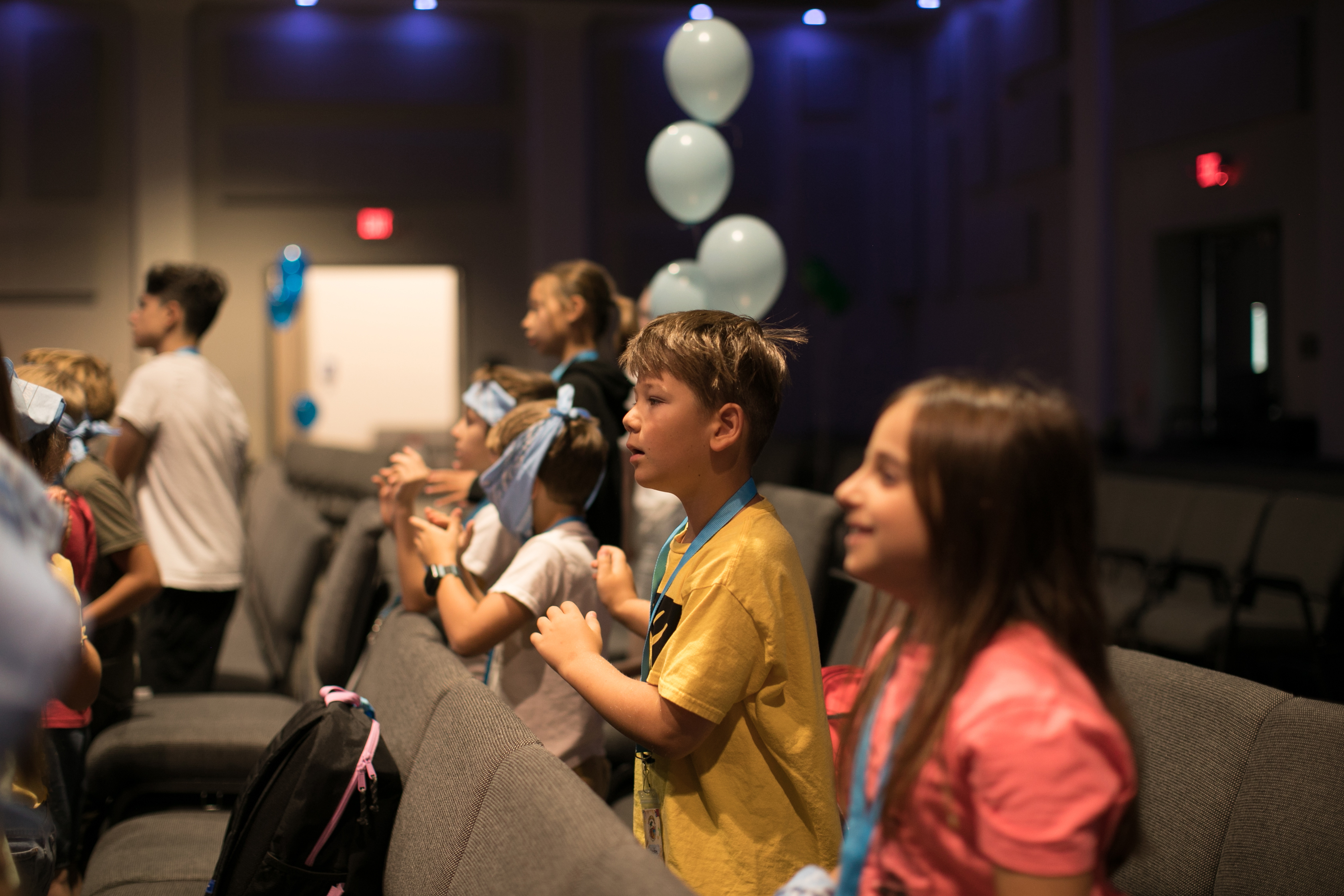
August 6, 2026 • 2 Minute Read
Master Clubs Is Relaunching September 16
Faith Baptist Church is excited to announce the relaunch of Master Clubs on Wednesday, September 16. This ministry has long been a vital part of how our church disciples the next generation, and this season brings fresh leadership and a full return to the mission that makes it so special. What Is Master Clubs? Master Clubs is a Bible-centered discipleship program for children age three through sixth grade. Unlike programs built around community service or achievement, Master Clubs is built entirely around Christ. Children earn badges for Scripture memorization, Bible knowledge, and Christian service, all while learning to walk with the Lord in practical, age-appropriate ways. Each week includes: The Master Clubs key verse — "For one is your Master, even Christ" (Matthew 23:10) Singing and devotions to prepare hearts for the Word Table time, where children work with their leaders toward Scripture memory and badge work Group games and activities that reinforce the lesson in a fun, memorable way Proverbs 22:6
Train up a child in the way he should go: and when he is old, he will not depart from it. New Leadership Bro. Brad and Jaime O'Dell have accepted the responsibility of leading Master Clubs. The O'Dells previously served in Master Clubs for over 15 years and bring that experience back with them after over a decade of leading our Worship Ministry. We are confident the Lord will use their experience to strengthen this ministry for your children. How to Get Your Children Involved If you have children age three through sixth grade, we would love to have them join us for the Master Clubs relaunch on September 16. No prior experience is necessary, and children are welcome to join even after the year begins. We are looking forward to what the Lord will do in the hearts of our children this year through Master Clubs.Register your Children Now!

June 30, 2026 • 3 Minute Read
How to Continue the Lesson at Home
Dad and Mom — the lesson your child hears on Sunday is meant to keep working in your home all week long. Deuteronomy 6:6-7 charges parents to teach God's Word "when thou sittest in thine house, and when thou walkest by the way, and when thou liest down, and when thou risest up." You don't need a curriculum or special training to do this — just a few minutes and the questions below. Use this guide every week to pick the conversation back up at the dinner table, in the car, or at bedtime. Find Out What They Learned Start by asking your child these three questions. They'll help you discover the lesson together, even if you weren't in the room: What was the Bible story about, and who was in it? Did your teacher give you a verse to remember? Can you say it? What's one thing you learned about God — or one thing He wants you to do? Their answers become your starting point for the rest of the week. Talk It Over Once you know the lesson, use these questions to go deeper at dinner or in the car: What did we learn about God, Jesus, or ourselves in this story? Why do you think God put this story in the Bible? What is one thing you can do this week because of what we learned? Make It Practical Pick one of these each week to help the lesson stick — no supplies needed: Retell it. Have your child tell you the story in their own words, like they're the teacher. Act it out. Take turns playing the characters from the Bible story. Draw it. Sketch the main scene together and talk through what's happening as you draw. Say it together. Repeat the memory verse a few times a day — try it as a family before meals or at bedtime. Live it out. Look for a moment during the week to point out when the lesson applies — "This is like what we learned on Sunday." Pray Together Use these prompts as a family, or let your child pray in their own words: Thank God for one thing from this week's lesson. Ask God to help our family live out what we learned. Pray for someone who needs to know Jesus as Savior. Read Together Keep God's Word in front of your family with a short daily reading. Questions about your child's class or how to use this guide? Reach out to the Faith Kids ministry anytime — we're glad to partner with you in raising your child "in the nurture and admonition of the Lord" - Ephesians 6:4

May 15, 2026 • 14 Minute Read
How to Lead Your Child to Christ
There is no greater privilege and no greater responsibility than leading a child to saving faith in the Lord Jesus Christ. God has placed you in your child's life on purpose. You are not an accident in that child's story; you are a gift from God to them, and they are a gift from God to you. This guide will walk you through the gospel step by step, with scriptures, plain-language explanation, real conversation starters, and practical follow-up. Read it prayerfully. Use it as often as you need to. Before You Begin Pray — before, during, and after The Spirit does the work; you do the talking No parent has ever argued a child into Heaven. Salvation is a supernatural work of the Holy Spirit of God. Your words are the instrument; the Spirit is the power. Before you sit down with your child, get on your knees. Ask God to open their heart, give you the right words, and work through every imperfect thing you say. Don't wait for the "perfect moment." The perfect moment is the one God gives you, at bedtime, in the car, around the dinner table. Be ready. Be praying. James 5:16
The effectual fervent prayer of a righteous man availeth much. Psalm 127:3
Lo, children are an heritage of the LORD: and the fruit of the womb is his reward. A Parent’s Prayer
"Lord, I love this child more than I can say — but You love them more than I ever could. Open their heart to the gospel. Give me boldness to speak, wisdom to answer their questions, and patience to trust Your timing. Save my child, Lord. I ask in Jesus' name. Amen." Step 1: Help them understand what sin is Romans 3:23
For all have sinned, and come short of the glory of God; Before a child can understand why they need a Saviour, they must understand what they need saving from. Sin is not just "being bad." It is missing the mark of God's holy standard — anything we think, say, or do that goes against what God says is right. Children understand this more than we think. They already know when they have done something wrong. Build on that conscience God has already placed inside them. Help them see that those wrong thoughts, words, and actions have a name: sin — and that it separates us from a holy God. Romans 3:10
There is none righteous, no, not one. James 2:10
For whosoever shall keep the whole law, and yet offend in one point, he is guilty of all. How to explain it simply Say something like: "You know that feeling you get inside when you've done something you know isn't right? That's your conscience — and God put it there. The Bible calls that wrong thing 'sin.' It isn't just big things like lying or stealing. Even proud thoughts or unkind words are sin. The Bible says everyone has sinned — me, your teachers, your friends, and yes, even you. Nobody is perfect except God." Age-appropriate approach Ages 4–6
Keep it concrete: "Sin is when we disobey God — like when we lie, hit, or say something mean. God says those things are wrong." Ages 7–12
Go deeper: talk about heart attitudes — jealousy, pride, selfishness. Help them see that sin starts on the inside before it comes out in actions. Step 2: Explain the consequences of sin Romans 6:23
For the wages of sin is death; but the gift of God is eternal life through Jesus Christ our Lord. This is the step many parents are tempted to rush past. Don't. A child cannot truly treasure the gift of salvation if they don't understand the weight of what they are being saved from. The word "wages" means what you earn — what you deserve. Sin earns death: spiritual separation from God now, and eternal separation in hell if sin is not dealt with. Speak this truth with love, not fear tactics. God does not want children to live in terror — He wants them to understand the danger so they will run to the only One who can rescue them. Hebrews 9:27
And as it is appointed unto men once to die, but after this the judgment. How to explain it simply Say something like: "When you work at a job, you get paid what you earned. The Bible says sin pays a wage too — and that wage is death. That doesn't just mean dying physically someday. It means being separated from God — now in our hearts, and if our sin is never forgiven, forever in a place called hell. That's a very serious thing. But here's the amazing part — the very same verse says that God offers a gift: eternal life. A gift is free. You don't earn a gift. You just receive it." A gentle caution Don't use this truth to frighten your child into a decision. A decision made out of pure fear — without genuine faith — is not saving faith. Trust the Holy Spirit to bring genuine conviction. Your job is to be honest about what the Bible says. Step 3: Show them that God loves them and sent Jesus John 3:16
For God so loved the world, that he gave his only begotten Son, that whosoever believeth in him should not perish, but have everlasting life. Here is where the darkness gives way to glorious light. After showing your child the problem of sin, show them the solution God provided. God did not look down at sinful mankind and turn away in disgust — He looked down in love and sent His only Son. Jesus Christ — fully God and fully man — lived a sinless life that we could never live, and then died on the cross to pay the price for sins that were never His own. He took our place. He bore our punishment. And on the third day He rose from the dead, proving that sin and death had been conquered. That is the gospel. Romans 5:8
But God commendeth his love toward us, in that, while we were yet sinners, Christ died for us. 1 Peter 3:18
For Christ also hath once suffered for sins, the just for the unjust, that he might bring us to God. How to explain it simply Say something like: "Here is the most important thing I'll ever tell you. God loves you so much — He loves you more than I love you, and you know how much I love you. Because He loved us, He did something incredible. He sent His Son Jesus into the world. Jesus never sinned — not once, not even in His thoughts. But He went to the cross and died, and while He was on that cross, God placed all of our sin on Him. He took the punishment we deserved. Then three days later, God raised Him from the dead — because death couldn't hold the Son of God. He did all of that for you." Step 4: Make clear that good works cannot save Ephesians 2:8–9
8 For by grace are ye saved through faith; and that not of yourselves: it is the gift of God:
9 Not of works, lest any man should boast. Children — especially children raised in church — can easily believe that if they are good enough, go to church enough, or try hard enough, God will let them into heaven. This is one of the most dangerous misunderstandings you can address. Salvation is entirely God's free gift, received by faith alone. Works are the fruit of salvation, not the root of it. Help your child understand clearly: there is nothing they can do to earn God's forgiveness. Jesus did it all. We simply come to Him empty-handed and receive what He freely gives. Titus 3:5
For by grace are ye saved through faith; and that not of yourselves: it is the gift of God: not of works, lest any man should boast. How to explain it simply Say something like: "Some people think that if they are really good — if they go to church, read their Bible, and never do anything really bad — that God will let them into heaven. But the Bible says that's not how it works. Even our best efforts fall short of God's perfect standard. Salvation is a gift — and gifts are free. You don't work for a gift; you receive it. You cannot be good enough to earn heaven. Jesus was good enough for you — and He offers you what He earned as a free gift." Step 5: Explain what it means to believe and repent Romans 10:9–10, 13
9 That if thou shalt confess with thy mouth the Lord Jesus, and shalt believe in thine heart that God hath raised him from the dead, thou shalt be saved.
10 For with the heart man believeth unto righteousness; and with the mouth confession is made unto salvation.
13 For whosoever shall call upon the name of the Lord shall be saved. This is where many children need the most careful explanation. "Believe" in the biblical sense is not mere mental agreement — even the devils know the facts about Jesus (James 2:19). Saving faith is trusting Jesus personally and completely. It involves the heart, not just the head. Repentance is also part of this step. Repentance is a change of mind — turning away from trusting yourself and turning to trust Christ alone. For a child, this does not mean they understand every theological nuance; it means they recognize they are a sinner who cannot save themselves, and they are turning to Jesus as the only One who can. Acts 3:19
Repent ye therefore, and be converted, that your sins may be blotted out. How to explain it simply Say something like: "Believing in Jesus isn't just knowing facts about Him, the way you know facts about someone in history. It's trusting Him — putting all your weight on Him, the way you'd trust a chair to hold you up. It also means turning. Turning from trying to save yourself, and turning to Jesus as your only hope. The Bible calls that repentance. When you do that — when you truly turn to Jesus and trust Him from your heart — the Bible says you will be saved. That's God's promise." A question to ask your child "If I asked you right now, 'If you died tonight, do you know for sure you'd go to heaven?' — what would you say? And if I asked, 'Why?' — what would your reason be?" Step 6: Invite them to call upon the Lord Acts 16:31
Believe on the Lord Jesus Christ, and thou shalt be saved. After sharing the gospel clearly, gently and lovingly extend an invitation. Let your child know that right now — in that very moment — they can turn to Jesus and trust Him as their Saviour. A prayer is not what saves; trusting Christ is what saves. But prayer can be the vehicle through which a child expresses that trust from their heart. Never pressure. Never manipulate. Never make a child feel they are disappointing you if they are not ready. Simply say, "The door is always open. I am always ready to talk about this with you." And keep praying. Revelation 3:20
Behold, I stand at the door, and knock: if any man hear my voice, and open the door, I will come in to him. A simple gospel prayer — to guide, not to replace genuine faith "Dear Lord Jesus, I know that I am a sinner. I know that I deserve the punishment for my sin. But I believe that You died on the cross for me, that You took my punishment, and that You rose from the dead. Right now, I am turning from my sin and trusting You — and You alone — to save me. Thank You for saving me. Help me to live for You. Amen." Important: After they pray, ask them to tell you in their own words what they just did and why. This helps you discern whether true understanding and faith are present — or whether more conversation is needed before they are ready. Step 7: Anchor their assurance in God's Word 1 John 5:13
These things have I written unto you that believe on the name of the Son of God; that ye may know that ye have eternal life. After your child has trusted Christ, the enemy will waste no time planting doubt. They will have days when they don't feel saved. They will sin and wonder if it was real. This is why you must anchor their assurance not in emotions or circumstances, but in the unchanging, unbreakable promises of God's Word. Open these passages and let your child read them with their own eyes. Write them on index cards. Put them on the mirror. Help these verses become the bedrock of their confidence in Christ. John 10:27–28
My sheep hear my voice, and I know them, and they follow me: and I give unto them eternal life; and they shall never perish, neither shall any man pluck them out of my hand. Romans 8:38–39
For I am persuaded, that neither death, nor life, nor angels, nor principalities, nor powers, nor things present, nor things to come, nor height, nor depth, nor any other creature, shall be able to separate us from the love of God, which is in Christ Jesus our Lord. How to explain assurance simply Say something like: "Some days you won't feel saved. Some days you'll sin and wonder if it was real. When that happens, I want you to come back to these verses — not to your feelings. Your feelings change every day. God's Word never changes. He says if you have trusted Jesus, you have eternal life. Not 'might have.' Not 'will have if you're good enough.' You have it right now. God said it. That settles it." Signs of Genuine Salvation in a Child You cannot look into your child's heart — only God can. But Scripture and wise pastoral counsel point to some fruit that tends to accompany genuine conversion. Watch for: A new sensitivity to sin — they are bothered by things that used to not bother them A hunger for God's Word — asking questions about the Bible, wanting to read it Love for other believers — a new draw toward the church and God's people A desire to tell others — children who are genuinely saved often want to tell their friends Repentance when they fall — not perfection, but genuine sorrow over sin and a desire to make it right These signs do not produce salvation — they reflect it. A child is saved by faith in Christ alone, and these fruits follow in time. What If They're Not Ready? Don't be discouraged. You are not failing if your child is not ready today. The seed of the Word never returns void (Isaiah 55:11). Keep living the gospel in front of them. Keep having natural, unhurried conversations about spiritual things. Keep the Bible open in your home. Keep bringing them to church where the Word is faithfully preached. Keep praying. Proverbs 22:6
Train up a child in the way he should go: and when he is old, he will not depart from it. God is more committed to your child's salvation than you are. He is working even when you cannot see it. After They Are Saved — Next Steps Baptism Believer's baptism by immersion is the first public step of obedience. Help them understand what it means and talk to the pastor about next steps. (Matthew 28:19; Acts 8:36–38) Daily Bible reading Start simple. Read a Psalm or a Proverb together each day. Get them their own Bible they can mark up and call their own. (Psalm 119:11) Prayer Teach them to talk to God as naturally as they talk to you. Morning and evening prayer together is a powerful family habit. (1 Thessalonians 5:17) Church involvement Help them see the local church as their family — not an optional activity. Sunday school, youth group, and worship all strengthen young faith. (Hebrews 10:25) Sharing their faith Encourage them to tell a friend what happened. Children are some of the most effective personal evangelists God uses. (Mark 5:19) Talk to the pastor Don't walk this alone. Let astor know what happened. He will want to encourage your child, counsel you, and help follow up with baptism and discipleship. Philippians 1:6
Being confident of this very thing, that he which hath begun a good work in you will perform it until the day of Jesus Christ.
September 29, 2026 • 2 Minute Read
Faith Teens October Newsletter
Dear Parents, This past month, we had the opportunity to take our 10th–12th graders to a Youth Rally in Newington, CT. Throughout the weekend, our teens were challenged from Matthew 7 to consider what they are searching for and where they are looking to find it. It was a great opportunity to spend time with this group, invest in them, and challenge them in their walk with God. We were also encouraged to see our teens take part in Friend Day. Multiple teens invited and brought their friends to church. It was great to see our teens wanting to invite their friends to church. We are praying for God to build our Youth Ministry. As we look ahead to this upcoming month, we are excited to have a special activity planned for our 7th–9th graders. We will be taking them to Camp Calvary for a night of harvest-themed activities, including a corn maze, hayride, games, s’mores, and a bonfire. Upcoming Schedule Harvest Fest- October 2nd (Hosted by Camp Calvary) 7th–9th graders are invited to join us for the Harvest Fest hosted by Camp Calvary, on October 2. We'll leave the church at 5:00 PM and return by Midnight. The cost is $15.SIGN-UP HERE Scarf & Barf- October 18th All 7th–12th graders are invited to join us for Scarf & Barf, a fast-food scavenger hunt designed to bring our teens together for a fun and competitive night. Throughout the evening, teens will have to figure out the correct food item at each restaurant and race to finish it. It will be a fun night of competition, teamwork, and fun with their youth group. Since this event falls on a school night, we will start promptly at 6:30 PM and finish at 8:30 PM. We want our students to enjoy some time together while still getting home at a reasonable time to prepare for the school week ahead. Cost: $10. Have Questions? Contact Bro. Nick Brunoni
Cell #: 267.969.0156 - Email: nbrunoni@fbcfh.com
September 9, 2026 • 2 Minute Read
Faith Teens September Newsletter
Dear Parents, It’s a new school year! We are praying for our teens as they kick off this new year, and recently our team stopped by—or tried to stop by :)—the homes of all of our faithful teens before school to drop off a care package. We are thankful for each of them and excited about what God is going to do in their lives this year. Our ladies also baked over 400 cookies for our local police department. We are thankful for the opportunity to serve and show appreciation to those in our community. Our Wednesday schedule is also updating this month. Starting today, Wednesday, September 9, Teen Soulwinning will be from 4:15–6:30 PM, giving our teens an opportunity to go out and invite people to church. Then, beginning Wednesday, September 16, we will begin our Wednesday Night Bible Study for our teens at 7:00 PM. I’m looking forward to seeing how God uses this new school year. There are a lot of opportunities ahead for our teens to grow in their faith, build relationships, serve others, and invite their friends to be part of what God is doing through Faith Teens. Upcoming Schedule Harvest Fest- October 2nd (Hosted by Camp Calvary) 7th–9th graders are invited to join us for the Harvest Fest hosted by Camp Calvary, on October 2. We'll leave the church at 5:00 PM and return by Midnight. The cost is $15.SIGN-UP HERE Have Questions? Contact Bro. Nick Brunoni
Cell #: 267.969.0156 - Email: nbrunoni@fbcfh.com

September 3, 2026 • 10 Minute Read
Guarding the Gate
This post covers current iOS 26 Screen Time steps (verified against Apple's published settings paths as of August 2026). Apple has previewed additional Screen Time features arriving with iOS 27 this fall; once that update is live, this guide should be revisited. Proverbs 4:23
Keep thy heart with all diligence; for out of it are the issues of life. Psalm 101:3
I will set no wicked thing before mine eyes. Why These Safeguards Matter The teenage years are some of the most important years of spiritual and emotional formation in a young person's life. A teenager's convictions are being tested, their identity is being shaped, and their sense of right and wrong is being formed by everything that has access to their eyes, ears, and mind. During these years, the mind is still developing the capacity for self-control and long-term judgment, even while the desire for independence is growing quickly. That gap between growing freedom and growing wisdom is exactly where a smartphone becomes either a tremendous help or a serious danger. An iPhone in a teenager's pocket is not a neutral object. It is a door. Through that door can come sound Bible teaching, encouraging communication with godly friends, and useful tools for school and ministry. But through that same door can also come pornography, predatory strangers, cruel words from peers, hours of wasted time, and a steady stream of worldly messages about identity, beauty, and worth that contradict the truth of God's Word. Scripture places the primary responsibility for this kind of guarding on parents. Ephesians 6:4
And, ye fathers, provoke not your children to wrath: but bring them up in the nurture and admonition of the Lord. Proverbs 22:6
Train up a child in the way he should go: and when he is old, he will not depart from it. Parental controls are not a lack of trust in your teenager. They are one practical way of fulfilling the charge God has given parents to nurture, protect, and train. A wise farmer builds a fence before he needs one. A wise parent sets a boundary before it is tested. Setting up these tools now, and explaining calmly why they are in place, is an act of love and shepherding, not suspicion. The instructions below will walk you through every major parental control currently available on iOS, step by step. Setting Up Parental Controls on iOS (Step-by-Step) These steps use Apple's built-in Screen Time and Family Sharing tools, which are free and do not require any third-party app. Plan on fifteen to twenty minutes to complete the full setup. You will need your own iPhone and access to your teenager's Apple ID. Suggested Starting Settings At a Glance The starting points below reflect a standard consistent with our church's convictions on media and worldliness. Every family may adjust from here, but this is a sound place to begin. Suggested Starting Point Movies, TV Shows, Apps - G or PG only Music, Podcasts & News - Block explicit content Web Content - Limit Adult Websites (or Allowed Websites Only for stronger filtering) Downtime - 10:00 PM – 7:00 AM App Limits - Set limits on Social Networking, Games, and Entertainment/Streaming Video The detailed steps below show exactly where to enter each of these. Step 1: Set Up Family Sharing Family Sharing links your teenager's Apple Account to yours so that every setting below can be managed from your own phone, not theirs. On your iPhone, open Settings. Tap your name at the top, then tap Family (on some devices this appears as Family Sharing). Tap Add Member, then follow the prompts to add your teenager, either by inviting their existing Apple ID or creating a new one for them. Confirm your teenager now appears listed under your Family group. [Screenshot: Settings > Family screen] This step matters more than any other. Every control below depends on your teenager's account being part of your Family group. Without it, restrictions can be changed or removed from their own device. Step 2: Turn On Screen Time and Set a Screen Time Passcode On your iPhone, go to Settings > Screen Time. Under the "Family" section, tap your teenager's name. If Screen Time is not already on, tap Turn On Screen Time, and follow the prompts, making sure you are setting it up as the parent. When prompted, create a four-digit Screen Time Passcode. This is separate from your teenager's device passcode. [Screenshot: Screen Time passcode setup] Do not use a birthday, "1234," or any code your teenager could guess. This passcode is what keeps them from changing or removing any setting you put in place. Step 3: Enable Content and Privacy Restrictions This is where you control what content is allowed on the device. Go to Settings > Screen Time, tap your teenager's name, then tap Content & Privacy Restrictions. Turn on Content & Privacy Restrictions. Tap iTunes & App Store Purchases to control installing, deleting, and in-app purchases. Tap Content Restrictions to set age-appropriate limits for: Movies, TV Shows, Apps, and Books (choose the appropriate rating for your teenager's age) Web Content — select Limit Adult Websites at minimum, or Allowed Websites Only for stronger filtering Music, Podcasts & News and explicit content filtering Siri — restrict explicit language and web search results Passcode Changes — set this to require your Screen Time passcode [Screenshot: Content & Privacy Restrictions menu] Suggested starting point: Set Movies, TV Shows, and Apps to G or PG, block explicit content under Music, Podcasts & News, set Web Content to at least Limit Adult Websites, and turn off explicit language and search results under Siri. This is a stricter baseline than Apple's own defaults, chosen to reflect the standard of purity Scripture calls us to guard our minds with: Philippians 4:8
Finally, brethren, whatsoever things are true, whatsoever things are honest, whatsoever things are just, whatsoever things are pure, whatsoever things are lovely, whatsoever things are of good report; if there be any virtue, and if there be any praise, think on these things. Families are free to adjust from here as they know their own household, but this is a sound and biblically consistent place to begin. Step 4: Configure Communication Limits and Communication Safety From the same Screen Time menu for your teenager, tap Communication Limits. Choose who your teenager can call, message, or FaceTime with, and set separate rules for during Downtimehours. Return to Screen Time and look for Communication Safety (under Content & Privacy Restrictions or as its own menu depending on iOS version). Turn this on. It warns and blurs sensitive images sent or received in Messages and other supported apps, without alerting anyone outside the family. [Screenshot: Communication Limits screen] Step 5: Set Downtime and App Limits In Screen Time, tap Downtime and schedule hours when only phone calls and apps you allow will be available — a strong recommendation is overnight hours and during family or church time. Tap App Limits, then Add Limit, and choose categories such as Social Networking, Games, or Entertainment to set daily time budgets. Under Always Allowed, choose which apps (such as Phone, Messages, or a Bible app) remain available even during Downtime. [Screenshot: Downtime and App Limits screens] Suggested starting point: Set Downtime for 9:00 PM to 7:00 AM as a general common-sense window, adjusting for your family's own schedule, church commitments, and school demands. For App Limits, the categories most worth restricting are Social Networking, Games, and Entertainment/Streaming Video. The exact number of minutes is best left to each family, but limiting these three categories in particular will address where most unsupervised time tends to go. Step 6: Turn On Ask to Buy Go to Settings > [your name] > Family. Tap your teenager's name, then turn on Ask to Buy. This sends you a notification any time your teenager attempts to download an app or make a purchase, giving you the chance to approve or decline it. Step 7: Turn On Location Sharing Go to Settings > [your name] > Family, tap your teenager's name, and enable Share My Location, or open the Find My app directly. This is a safety measure, not a means of constant surveillance. It exists so that in an emergency, or simply out of ordinary parental care, you know where your child is. Step 8: Lock the Settings Down Return one more time to Screen Time > Content & Privacy Restrictions and confirm that Passcode Changesrequires your Screen Time passcode. This prevents your teenager from disabling anything you have just set up. Keep this passcode private, and do not store it in a note on a shared device. A Word to Our Teenagers If you are a teenager reading this, some of what your parents are setting up on your phone may feel restrictive, or even like they do not trust you. Please listen and understand: these limits are not a punishment, and they are not evidence that your parents think poorly of you. They are evidence that your parents love you and take seriously the responsibility God has given them to watch over you. Proverbs 1:8-9
My son, hear the instruction of thy father, and forsake not the law of thy mother: for they shall be an ornament of grace unto thy head, and chains about thy neck. Ephesians 6:1
Children, obey your parents in the Lord: for this is right. Scripture is honest about the fact that there is real danger in this world, and much of it now arrives through a screen. The Bible describes an adversary who is active and watching for an opportunity: 1 Peter 5:8
Be sober, be vigilant; because your adversary the devil, as a roaring lion, walketh about, seeking whom he may devour. That danger is not hypothetical. Strangers online do not always present themselves honestly, and some intend real harm. Pornography does lasting damage to the mind and to the conscience, and it is designed to be addictive. Endless scrolling and comparison on social media are tied to real struggles with anxiety and discouragement among people your age. None of these dangers announce themselves clearly before they do harm. That is exactly why a boundary set in advance, by someone who loves you, is worth more than a warning that comes too late. When you are tempted to see a parental control as an obstacle, try to see it instead as a guardrail on a mountain road. It is not there because the road's engineers think you are a bad driver. It is there because the drop is real, and someone who cares about you decided you deserved protection before you needed it. Trust your parents in this. Talk with them if a rule feels unclear or if you disagree, honestly and respectfully, rather than looking for ways around it. And above all, remember that ultimate safety and ultimate satisfaction were never found in unlimited access to anything a screen can offer. They are found in Christ. Proverbs 3:5
Trust in the LORD with all thine heart; and lean not unto thine own understanding. Questions about any of these settings can be directed to Bro. Nick Brunoni. Parents are also encouraged to review these settings together with their teenager rather than simply installing them without conversation, a boundary explained is far more likely to be respected than a boundary imposed in silence.
July 27, 2026 • 2 Minute Read
Faith Teens August Newsletter
Dear Parents, It’s hard to believe we’re already wrapping up another great summer event. This past week, over 25 of our teens served alongside four church plants in three different cities during our Northeast Missions Trip. One of the biggest highlights for me was watching our students serve with joy and boldly invite people to church. It was encouraging to see God growing their faith and giving them confidence to share Christ. As we head into the school year, we're excited to kick off our Teen Discipleship series this Wednesday at 4:00 PM. I also want to highlight our Northeast Rally in September. Because the rally is about five hours away, it will take place Thursday–Friday this year, and students will miss two days of school. We can provide school excuse letters if needed. We only have 12 spots available, so if your teen would like to attend, I encourage you to sign up soon. Last year's rally was a tremendous encouragement to those who went, and we're looking forward to another great year. Upcoming Schedule Summer Discipleship- Begins Wednesday, July 29th This Wednesday we're kicking off our Teen Discipleship series! As we get ready for the new school year, we're going to spend the next four weeks looking at Four Lessons Every Teen Should Hear. We'll meet here at the church for games, snacks, fellowship, and a Bible lesson. We're looking forward to a great few weeks together and hope your teen can make it! Northeast Rally (Hosted by Emmanuel Baptist Church) 10th–12th graders are invited to join us for the Northeast Rally in Newington, CT, on September 17–18. We'll leave the church at 10:30 AM Thursday and return by 8:00 PM Friday. The cost is $110. Space is limited, so be sure to sign up soon!SIGN-UP HERE Have Questions? Contact Bro. Nick Brunoni
Cell #: 267.969.0156 - Email: nbrunoni@fbcfh.com
July 4, 2026 • 2 Minute Read
Faith Teens July Newsletter
Dear Parents, It’s hard to believe it is already July, and our road trip to Pensacola Christian College and Teen Camp has already come and gone. Our week at camp was incredibly encouraging, with over 1,200 teens in attendance. Our students did an outstanding job throughout the entire experience—from the 18-hour car ride to adjusting to a new environment with so many teens at one camp. We truly saw God work in the hearts of our young people. Our goal in Faith Teens is not simply to provide experiences like camp, but to build a community of like-minded young people who are growing in their faith and learning to serve God together. As we move forward from camp and continue what God has started in our students’ lives, we are looking ahead to our next opportunity to serve together. Below, you will find details for our upcoming Northeast Mission Trip. Upcoming Schedule Northeast Mission Trip- July 20-23, 2026 Parents, we are just two weeks away from our Northeast Missions Trip, and we're looking forward to a great week together! Throughout the week, we'll be serving alongside local churches in three different cities over three days, allowing our teens the opportunity to make a difference in each community. The cost for the trip is $65, which includes admission to our Thursday fun day at Six Flags but does not include meals. Please have your teen bring money for food each day or pack a lunch. Sign-up HereDownload Trip Itinerary Summer Discipleship - Starting Wednesday, July 29, 2026 All 7th-12th graders are invited to a four-week discipleship program, taking place every Wednesday. We will meet in the Activity Center at 4 pm for games, snacks, and a Bible lesson. Have Questions? Contact Bro. Nick Brunoni
Cell #: 267.969.0156 - Email: nbrunoni@fbcfh.com
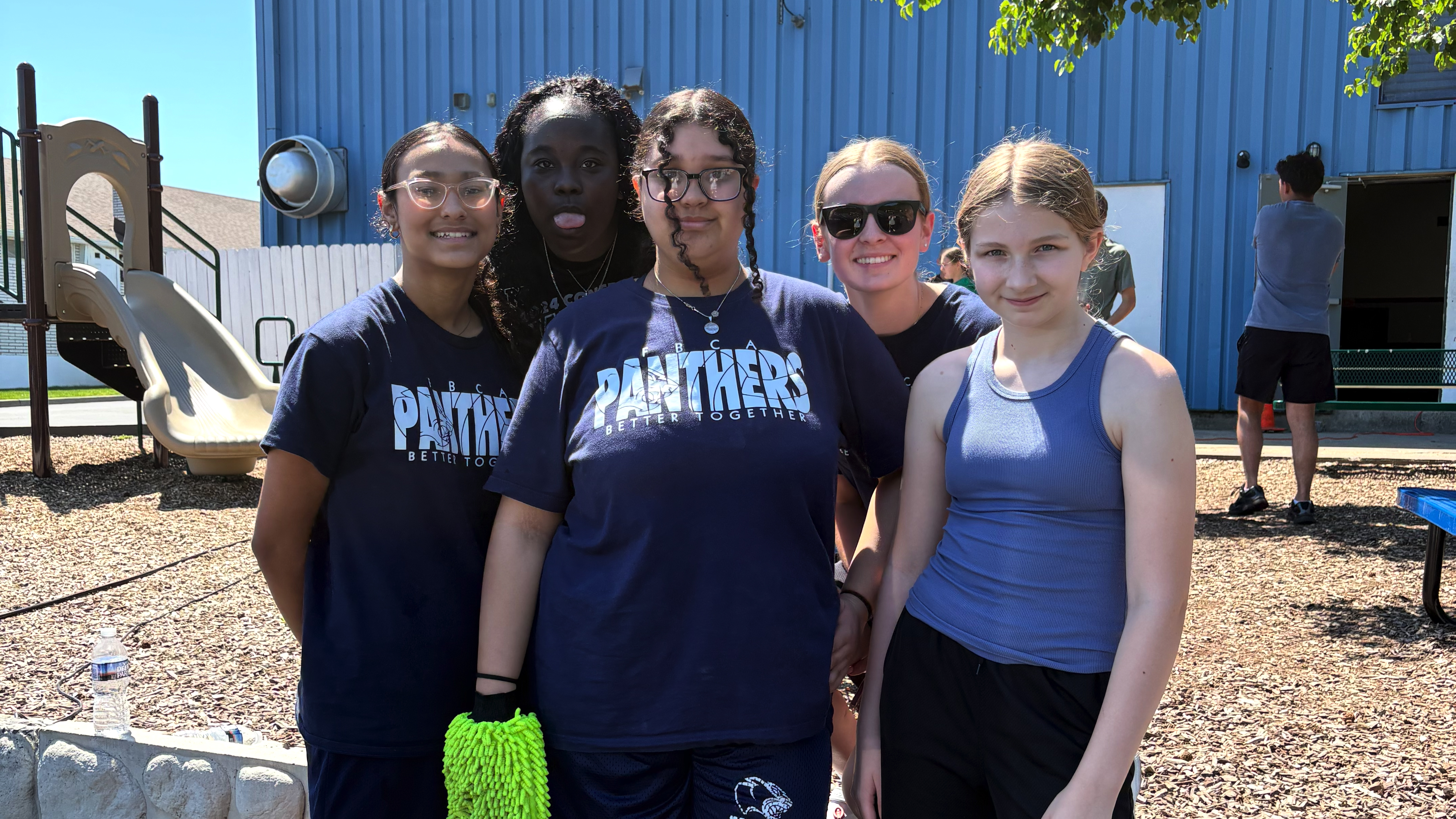
June 3, 2026 • 1 Minute Read
Faith Teens June Newsletter
Dear Parents, Over the last month, we have been working hard at our Teen Work Days, which have been a huge success resulting in our students raising over $2,000 towards camp. Upcoming Schedule 90’s Night - Friday, June 5, 2026 All 7th–12th graders are invited to our 90’s Night! Come dressed in your best 90’s outfit—winner receives a prize. We’ll be heading to Hot Wheelz and Bowling after our service. Bring money for dinner. Departure: 5:00 PM from the church
Return: Midnight
Cost: $30 per teenSign-Up Teen Extreme Summer Camp - June 20-27, 2026 Parents, we are just two weeks away from Summer Camp and are looking forward to a great week together! On Sunday, June 7th, your teen will receive an updated itinerary and camp cost. Payment can be made by cash, check (written out to Faith Baptist Church), or online HERE (please mark as events).Download Trip Itinerary Be sure to reference the Camp Dress Code while you're packing! Getting Excited! Watch the recap video for 2025 Teen Extreme Camp HERE! Northeast Mission Trip - July 20-23, 2026 Have Questions? Contact Bro. Nick Brunoni
Cell #: 267.969.0156 - Email: nbrunoni@fbcfh.com
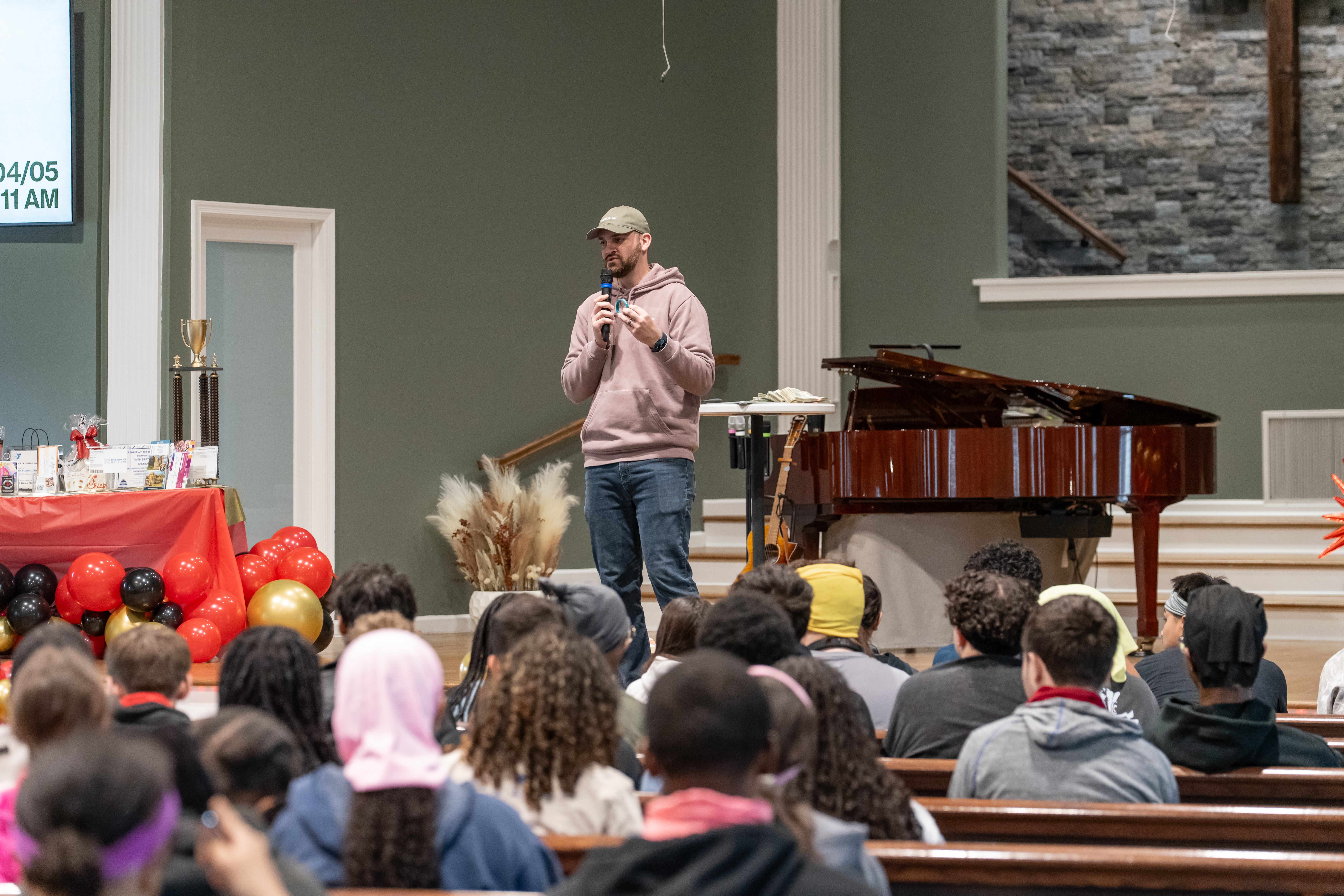
June 2, 2026 • 2 Minute Read
Parent Perspective: Ayala Family
“As a parent of four children—two boys and two girls—who were actively involved in the youth group from 7th through 12th grade, I can say with confidence that I have never encountered a group of leaders who genuinely loved and cared for my children the way they did. Their commitment to faithfully teaching God's Word and preaching directly from the Bible provided a strong spiritual foundation, while also creating a safe and welcoming environment where each of my children felt valued and encouraged. Throughout the years, they partnered with my husband and me in helping to raise our children to know and love Jesus, reinforcing the biblical values we taught at home.” “We are deeply grateful for the lasting impact they have had on our family and for the Christ-centered investment they made in each of our children's lives.” - Jon & Evelyn Ayala Members of Faith Baptist Church since 2011Share your Faith Teens Testimony HERE! Every family has a story of God's grace and faithfulness. Have you seen the Lord working in the life of your teen or your family? We'd love to hear it. Your testimony could be an encouragement to another parent walking a similar path and a reminder of what God is doing through Faith Teens. Click below to share your Parent Perspective with our church family.

May 13, 2026 • 3 Minute Read
Why Church Matters When You're a Teenager
Let's be honest — Sunday morning isn't always the easiest time to be a teenager. There are late Saturday nights, comfortable beds, and a hundred other things pulling at your attention. So why bother? Why does church actually matter during these years? Here's the truth: the teen years are some of the most important years of your life, not just for your future — but for your faith. 1) You're Making Decisions That Shape Everything The choices you make between 13 and 19 — who you spend time with, what you believe, how you handle hard things — lay a foundation that carries into adulthood. Proverbs 22:6 says, "Train up a child in the way he should go: and when he is old, he will not depart from it." Church isn't just something to do — it's one of God's primary means of building that foundation in your life. 2) You Need More Than Just Good Advice The world is full of voices telling teenagers what to think, who to be, and what to value. Social media, friends, entertainment — none of it is neutral. You need the Word of God and a community of people who are anchored to it. Psalm 119:9 asks, "Wherewithal shall a young man cleanse his way?" The answer? "By taking heed thereto according to thy word." Church is where you get that Word — consistently, week after week. 3) You Need People Who Are For You One of the gifts God gives through the local church is relationships. You need older Christians who have walked through hard things and come out on the other side. You need friends your age who are genuinely trying to follow Christ. You need adults in your life who care about your soul — not just your grades or your schedule. That kind of community doesn't happen by accident; it happens in a church family. 4) Your Faith Is Yours to Own At some point, your parents' faith has to become your faith. Church is one of the main places that happens. When you sit under preaching, when you open your Bible in Sunday school, when you hear testimonies and pray with others — God uses all of that to grow something real in your own heart. To Our Teens at Faith Baptist We are glad you are here. We believe God has a plan for your life, and we want to walk alongside you as you discover it. Don't drift through these years — dig in. Come to Faith Teens. Bring a friend. Let this be the place where your faith gets roots.Learn more about Faith Teens Ministry

May 13, 2026 • 2 Minute Read
Faith Teens May Newsletter
Dear Parents, Last week, we kicked off our Teen Work Days, which will continue through the end of the month. Each Wednesday, our teens will have at least three job opportunities as we work together to help lower the cost of camp for everyone. This coming Saturday, we’ll be doing car detailing, and there are still spots available for anyone who would like to sign up. Please help spread the word. I also wanted to clarify a few details for our Graduate Sunday on May 31st. During the 11:00 service, we will have a special time to honor our seniors and their families. Following the service, lunch will be provided for our FaithTeens and their families as we come together to celebrate our seniors. How to Sign Up:
To help us prepare, please click HERE to sign up for Car Detailing! Upcoming Schedule Graduation Sunday - May 31, 2026 Join us for Graduation Sunday as we celebrate the Class of 2026! Let’s come together as a church family to honor our graduates and rejoice in their hard work and accomplishments. Don’t miss this special service as we recognize them and pray over their future. Lunch for all FaithTeens and their families will follow. 90’s Night - Friday, June 5, 2026 All 7th–12th graders are invited to our 90’s Night! Come dressed in your best 90’s outfit—winner receives a prize. We’ll be heading to Skate Plex and Bowling after our service. Bring money for dinner. Departure: 5:30 PM from the church
Return: Midnight
Cost: $30 per teenSign-Up Teen Extreme Summer Camp - June 20-27, 2026 Parents, we are a little over a month away from camp! We are looking forward to a great week together. If you have any questions, please contact me directly. An updated itinerary will be coming soon. Have Questions? Contact Bro. Nick Brunoni
Cell #: 267.969.0156 - Email: nbrunoni@fbcfh.com


Copyright Faith Baptist Church 2026