The Lord's Day: Why Sunday Worship Still Matters

Will Duttry • Assistant Pastor
July 3, 2026

3 Minute Read
Sunday keeps coming around.
The question is, what are we doing with it?

In a world that treats Sunday like a bonus Saturday, errands, sports, sleeping in, catching up on anything but church, it is worth asking a simple question: Does it still matter to gather with God's people on the Lord's Day?

The answer from Scripture is a clear yes.

What does the Bible Say?

The first day of the week carries special weight all the way through the New Testament.

  • The Resurrection happened on the first day (Matthew 28:1; Mark 16:2; Luke 24:1; John 20:1). Everything changed on that first day of the week. Death is defeated. Christ is alive. .
  • The early church gathered on the first day. "And upon the first day of the week, when the disciples came together to break bread, Paul preached unto them" (Acts 20:7). This was their pattern — not a suggestion, a practice.
  • The offering was collected on the first day (1 Corinthians 16:2), showing that Sunday shaped the whole rhythm of their giving and worship life.

The Lord's Day was not invented by tradition. It was shaped by the resurrection.

Why Gathering Still Matters

Some folks have come to feel that personal devotions at home, a podcast sermon, or a live stream is "just as good" as being in the house of God with His people. We'd push back on that idea, and here's why.

1. God commands it. "Not forsaking the assembling of ourselves together, as the manner of some is" (Hebrews 10:25). The word "forsaking" implies people were already making excuses in the first century. The command stands because the need has never changed.

2. You need the body, and the body needs you. The church is not a service you consume. It is a body you belong to (1 Corinthians 12:27). When you are absent, something is genuinely missing. Your presence is a ministry, even when you don't feel like it.

3. Worship is formative, not just informational. Sitting under the preaching of God's Word, singing together, giving, praying with one another, these things shape you in ways a screen simply can’t. You are not just learning truth on Sunday. You are being formed by it as part of a church body.

4. It declares something to the world. When Christians make Sunday worship a clear, consistent priority, not squeezed around ball games and beach trips, it is a testimony. It says: Christ rose from the dead, and that changes everything about how I spend my time.

Let’s be Real.

We understand that life is genuinely demanding. Work is real. Illness is real. Seasons of hardship are real. This is not about guilt, it is about priority. Every follower of Christ has to ask honestly: Is the Lord's Day on my calendar as a firm appointment with God, or is it the first thing I move when something else comes up?

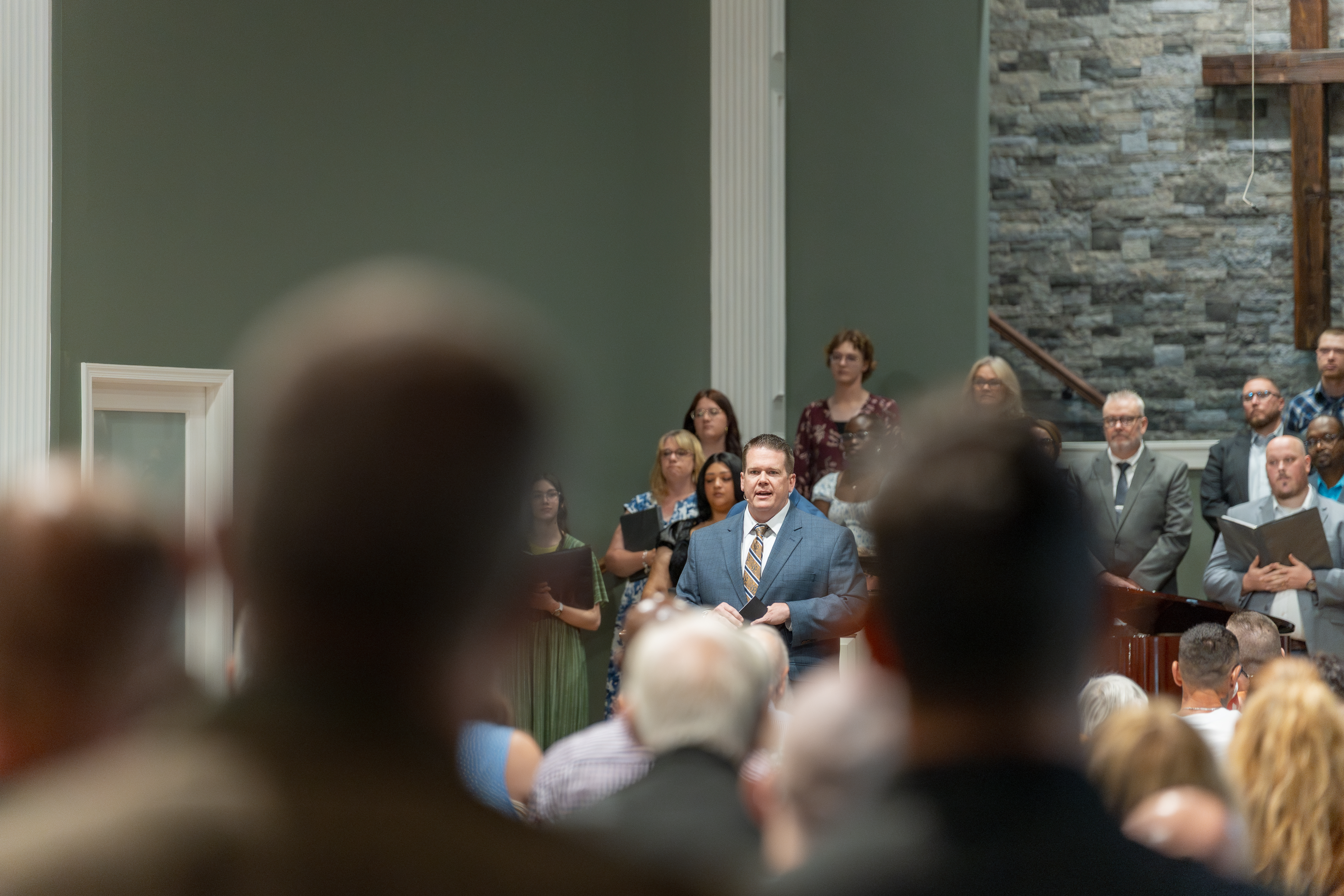
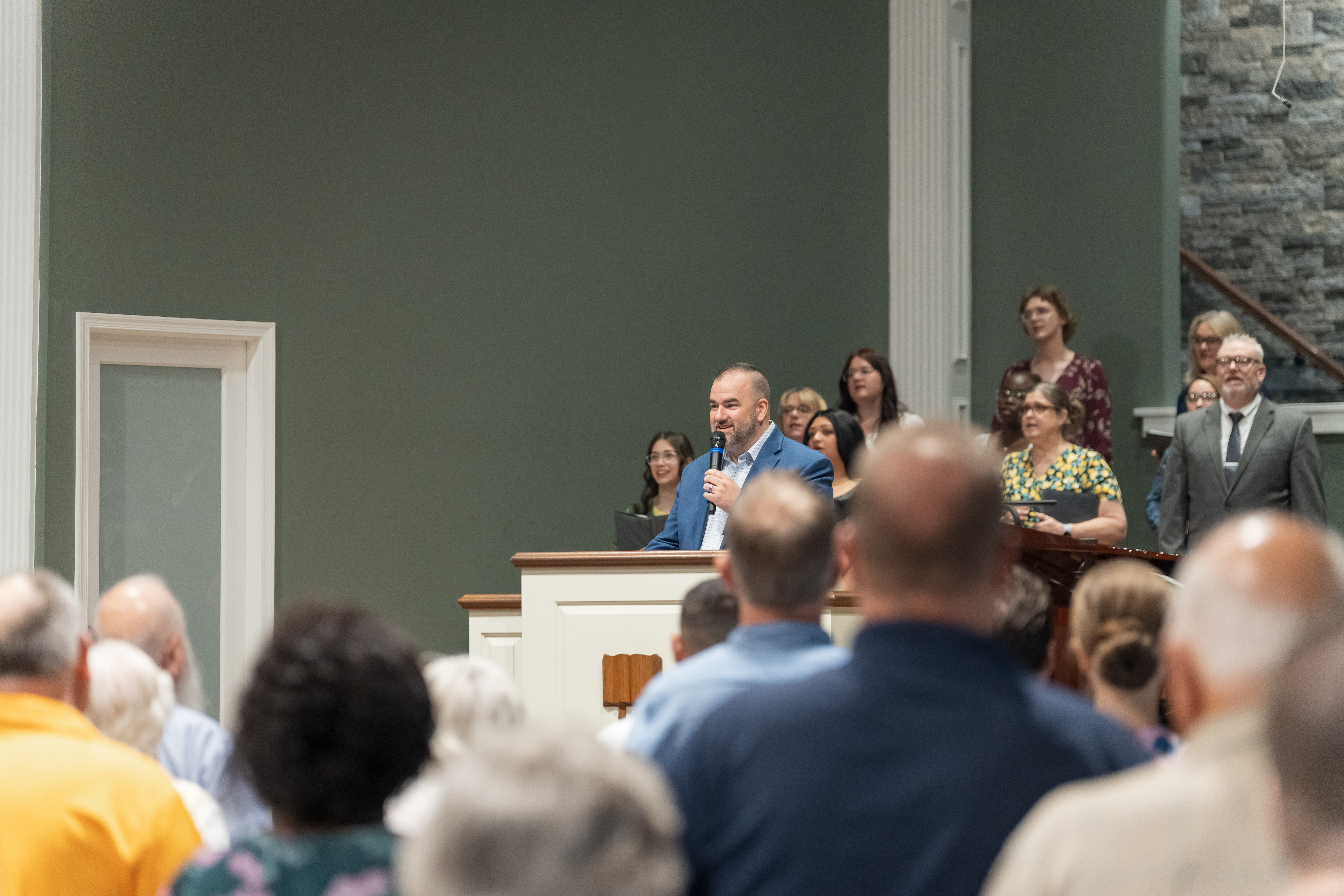
Grace says: start fresh this Sunday. The doors of Faith Baptist Church are open, the Word will be preached, and our family will be glad you came.

Join us for worship this Lord's Day.

Sunday Schedule
10:00 a.m. - Bible Study Hour
Nursery, Faith Kids, Faith Teens, & Adult classes available.
11:00 a.m. - Morning Worship Service
Deaf interpretation available.
5:00 p.m. - Evening Worship Service

Up Next
From this Author: Will Duttry
July 6, 2026 • 3 Minute Read
How the Food Bank Connects People to the Gospel
When someone walks through the doors of our Food Bank, they may come for food, but that is never the end of the story we want to tell. Scripture is clear: God cares about the whole person, and He has called His church to meet real needs as a bridge to the greatest need of all, a right relationship with Him. Scripture Commands Us to Care The Bible does not treat compassion as optional. It is a direct command to God’s people. Galatians 6:10 As we have therefore opportunity, let us do good unto all men, especially unto them who are of the household of faith. Proverbs 19:17 He that hath pity upon the poor lendeth unto the LORD; and that which he hath given will he pay him again. James 1:27 Pure religion and undefiled before God and the Father is this, To visit the fatherless and widows in their affliction. Jesus Himself modeled this. He fed the five thousand before He preached to them (John 6:1–14). During his earthly ministry He healed bodies and was willing to touch the untouchable. Compassion was never separate from His mission, it opened the way for it. Physical Need Matters, But It Isn’t the Main Thing We take hunger seriously. Every box of food packed, every hour given, every family served through the faithful labor of our Food Bank serve team is an act of biblical love. But if we can’t stopped there, our purpose is bigger than groceries: The physical gift is temporary. It meets a need for a week. The spiritual need is eternal. Every person who walks through our doors has a soul that will live forever, somewhere. Matthew 4:4 Man shall not live by bread alone, but by every word that proceedeth out of the mouth of God. The Food Bank as a Gospel Bridge This is why every distribution includes more than food: A friendly, Christ-like welcome Scripture and gospel literature placed in every hand A genuine invitation to hear more, to visit a service, or to talk with someone about Christ We are not running a charity that happens to be at a church. We are a church using practical compassion to earn the right to speak, and then speaking. Matthew 5:16 Let your light so shine before men, that they may see your good works, and glorify your Father which is in heaven. What This Means for You Volunteer — Serving in the Food Bank puts you face-to-face with people God loves. Pray — Ask God to open hearts and give opportunities. Share Christ — A kind word and a gospel tract can outlast the groceries by eternity. The next time you see a Food Bank family drive onto our parking lot, remember: we’re not just filling a need. We’re planting a seed, and trusting God for the harvest.Sign-up to ServeDonate to the Faith Baptist Food Bank Need Help Putting Food on the Table? If your family is facing a hard season and could use some help, our Food Bank exists for exactly this, no judgment, no strings attached, just our church family ready to help meet a real need. We’d count it an honor to serve you, and we’d love the chance to get to know you along the way.Learn more about how to come and shop.
Currently Reading
July 3, 2026 • 3 Minute Read
The Lord's Day: Why Sunday Worship Still Matters
Sunday keeps coming around. The question is, what are we doing with it? In a world that treats Sunday like a bonus Saturday, errands, sports, sleeping in, catching up on anything but church, it is worth asking a simple question: Does it still matter to gather with God's people on the Lord's Day? The answer from Scripture is a clear yes. What does the Bible Say? The first day of the week carries special weight all the way through the New Testament. The Resurrection happened on the first day (Matthew 28:1; Mark 16:2; Luke 24:1; John 20:1). Everything changed on that first day of the week. Death is defeated. Christ is alive. . The early church gathered on the first day. "And upon the first day of the week, when the disciples came together to break bread, Paul preached unto them" (Acts 20:7). This was their pattern — not a suggestion, a practice. The offering was collected on the first day (1 Corinthians 16:2), showing that Sunday shaped the whole rhythm of their giving and worship life. The Lord's Day was not invented by tradition. It was shaped by the resurrection. Why Gathering Still Matters Some folks have come to feel that personal devotions at home, a podcast sermon, or a live stream is "just as good" as being in the house of God with His people. We'd push back on that idea, and here's why. 1. God commands it. "Not forsaking the assembling of ourselves together, as the manner of some is" (Hebrews 10:25). The word "forsaking" implies people were already making excuses in the first century. The command stands because the need has never changed. 2. You need the body, and the body needs you. The church is not a service you consume. It is a body you belong to (1 Corinthians 12:27). When you are absent, something is genuinely missing. Your presence is a ministry, even when you don't feel like it. 3. Worship is formative, not just informational. Sitting under the preaching of God's Word, singing together, giving, praying with one another, these things shape you in ways a screen simply can’t. You are not just learning truth on Sunday. You are being formed by it as part of a church body. 4. It declares something to the world. When Christians make Sunday worship a clear, consistent priority, not squeezed around ball games and beach trips, it is a testimony. It says: Christ rose from the dead, and that changes everything about how I spend my time. Let’s be Real. We understand that life is genuinely demanding. Work is real. Illness is real. Seasons of hardship are real. This is not about guilt, it is about priority. Every follower of Christ has to ask honestly: Is the Lord's Day on my calendar as a firm appointment with God, or is it the first thing I move when something else comes up? Grace says: start fresh this Sunday. The doors of Faith Baptist Church are open, the Word will be preached, and our family will be glad you came. Join us for worship this Lord's Day. Sunday Schedule 10:00 a.m. - Bible Study Hour Nursery, Faith Kids, Faith Teens, & Adult classes available. 11:00 a.m. - Morning Worship Service Deaf interpretation available. 5:00 p.m. - Evening Worship ServicePlan your Visit
June 30, 2026 • 3 Minute Read
How to Continue the Lesson at Home
Dad and Mom — the lesson your child hears on Sunday is meant to keep working in your home all week long. Deuteronomy 6:6-7 charges parents to teach God's Word "when thou sittest in thine house, and when thou walkest by the way, and when thou liest down, and when thou risest up." You don't need a curriculum or special training to do this — just a few minutes and the questions below. Use this guide every week to pick the conversation back up at the dinner table, in the car, or at bedtime. Find Out What They Learned Start by asking your child these three questions. They'll help you discover the lesson together, even if you weren't in the room: What was the Bible story about, and who was in it? Did your teacher give you a verse to remember? Can you say it? What's one thing you learned about God — or one thing He wants you to do? Their answers become your starting point for the rest of the week. Talk It Over Once you know the lesson, use these questions to go deeper at dinner or in the car: What did we learn about God, Jesus, or ourselves in this story? Why do you think God put this story in the Bible? What is one thing you can do this week because of what we learned? Make It Practical Pick one of these each week to help the lesson stick — no supplies needed: Retell it. Have your child tell you the story in their own words, like they're the teacher. Act it out. Take turns playing the characters from the Bible story. Draw it. Sketch the main scene together and talk through what's happening as you draw. Say it together. Repeat the memory verse a few times a day — try it as a family before meals or at bedtime. Live it out. Look for a moment during the week to point out when the lesson applies — "This is like what we learned on Sunday." Pray Together Use these prompts as a family, or let your child pray in their own words: Thank God for one thing from this week's lesson. Ask God to help our family live out what we learned. Pray for someone who needs to know Jesus as Savior. Read Together Keep God's Word in front of your family with a short daily reading. Questions about your child's class or how to use this guide? Reach out to the Faith Kids ministry anytime — we're glad to partner with you in raising your child "in the nurture and admonition of the Lord" - Ephesians 6:4
June 24, 2026 • 3 Minute Read
How to use Online Giving
Faithful giving is one of the most tangible ways we honor God and invest in the ministry He has entrusted to us here at Faith Baptist. We want to make it as easy as possible for you to be faithful. Faith Baptist Church uses Nucleus Giving as our secure online giving platform. You can give in minutes from your phone, tablet, or computer — and set up automatic recurring gifts so you never miss a week. How to Give Online You don't need an account to give — but creating one makes the process faster every time after and gives you a personal dashboard to track your giving history. Here's how to get started. Step 1 — Visit Our Giving Flow Access online giving through the launcher accessible on each page of our website and click the Online Giving button in the menu. Step 2 — Enter Your Gift Amount Type in the amount you'd like to give. You'll see available giving funds listed — choose the one that applies to your gift (General Fund, Missions, etc.). Step 3 — Choose Your Giving Frequency You can give as a one-time gift or set up a recurring gift on a weekly, bi-weekly, or monthly schedule. Recurring giving is a great way to stay consistent in your stewardship even when life gets busy. Step 4 — Select Your Payment Method You can give by credit or debit card, or connect your bank account directly (ACH). Giving by bank account is the simplest and most cost-effective option — the processing fee is just 25¢ per transaction. NOTE: When selecting Bank Account, there are two options, using Plaid or entering manually. If you don’t already use Plaid entering manually will make for an easier process. Step 5 — Complete Your Gift Enter your payment details, add an optional memo, confirm your contact info and submit. You'll receive a confirmation email right away. Want to Create an Account? Creating a free Nucleus Giving account lets you: View your complete giving history Access your annual giving statement for tax purposes Save your payment method so future gifts take just seconds Manage or update recurring gifts at any time To create your account: Go to the launcher and click Sign In Enter your email address and create a password Check your inbox for a verification email and click the confirmation link Once verified, click My Account to fill in your profile details Managing Your Online Giving Once your account is set up, you're in full control. From your personal dashboard you can: View past gifts and download giving records Update a recurring gift — change the amount, frequency, or payment method Cancel a recurring gift if needed Access your annual tax statement once it's been released by the church office Need Help? If you run into any trouble setting up your account or completing a gift, reach out to the church office — we're happy to walk you through it.Send us an EmailCall the Church Office 2 Corinthians 9:7 Every man according as he purposeth in his heart, so let him give; not grudgingly, or of necessity: for God loveth a cheerful giver.
June 22, 2026 • 4 Minute Read
Adult Bible Study Series: Faith that Triumphs
Every Sunday morning at 9:45 a.m., before the morning worship service, adults of all ages and stages of life gather at Faith Baptist Church to open God's Word together. Whether you've been walking with the Lord for decades or you're just beginning to explore what it means to follow Jesus, there's a place here for you. But Adult Bible Study is more than a class on a Sunday morning. It's one of the most consistent investments you can make in your spiritual growth — and it's better when you do it with others. Why Small Groups Matter The Christian life was never meant to be lived in isolation. In Acts 2, the early church devoted themselves not only to the apostles' doctrine, but to fellowship — to doing life and faith together. When you study God's Word alongside others, something happens that can't happen on your own. Questions get asked that sharpen your understanding. Burdens that feel heavy alone become lighter when a group of believers prays over them together. "Iron sharpeneth iron; so a man sharpeneth the countenance of his friend" (Proverbs 27:17). And perhaps most importantly, you become known — by people who notice when you're missing, check in during a hard week, and walk with you through whatever life brings. Bible Study classes are one of the primary places where that happens at Faith. If you've never joined one, this is the time to start. Our Adult Bible Study Classes Young Adults (adults 30 and under) Taught by Bro. Matthew Beighle | Room 103 A community for adults under 30, working through life's big questions from God's Word and building real friendships along the way. Faith Families (adults in their 30s & 40s) Taught by Bro. Brad O'Dell | Room 104 Practical, biblical teaching to strengthen marriages and family life for couples in this season of life. Cornerstone Couples (adults in their 40s & 50s) Taught by Bro. Joe Sanfilippo | Room 107 Focused on applying faith to life's real challenges and deepening your spiritual roots together as a couple. Berean (all adults) Taught by Bro. Will Duttry | Auditorium A welcoming, open-to-all session in the auditorium offering foundational Bible teaching every week. If you're not sure where to start, this is a great place to begin. Ladies Bible Study (adult ladies) Taught by Mrs. Laura Braley | Conference Room An encouraging environment for women of all ages to grow spiritually and enjoy meaningful fellowship. Faith That Triumphs Overcoming Life's Challenges with Courage from God's Word Life is full of challenges — some expected, others completely unforeseen. In every season, we face decisions, uncertainties, and trials that test our resolve. But the God we serve never changes, and His Word gives us strength, direction, and hope for every one of those moments. Faith That Triumphs is a 10-lesson study designed to help you build a steadfast trust in God. You'll explore what it means to trust Him when life doesn't make sense, when provision seems scarce, in seasons of suffering, and in a world that increasingly opposes truth. Each lesson includes thorough Bible teaching, discussion questions, and real-life application to strengthen your walk with the Lord. This is a great time to join a class for the first time — or to invite a friend to come with you. A new study means a natural starting point, and Faith That Triumphs is the kind of study that's relevant to everyone, no matter where you are in life right now. No matter what you're facing — your faith can triumph. Join us beginning Sunday, July 5 at 9:45 a.m.
June 20, 2026 • 5 Minute Read
Our Father’s Pattern
I've been thinking about Father's Day a lot this week. Partly because it's coming up, but also because I've been paying attention to the people around me. This Day Lands Differently for Everyone For some of us, today is a good day. Our kids are going to make us feel special, or we’re going to call our dad’s and mean every word of it. That's a gift. Don't take it for granted. For others, there's grief tied to father's day. Maybe you lost your dad, and this is the first Father's Day without him. Or the fifth, and people assume it gets easier. Maybe your relationship with your father is complicated in ways that are hard to explain. I'm not going to gloss over any of that. But I do want to point us all toward something that changes the way we see this day, no matter where we're coming from. God Set the Pattern First Here's what I keep coming back to: God the Father isn't a concept we invented to make sense of our earthly fathers. It's the other way around. Every good thing we associate with fatherhood, the love, the protection, the discipline that actually comes from care, it all originates in Him. "For God so loved the world, that he gave his only begotten Son." (John 3:16) That's a Father who loved at a cost. Who gave something irreplaceable. And it doesn’t stop there. Jesus paints a picture of the Father in Luke 15 who sees his son coming back from a long way off and runs to him. Doesn't wait. Doesn't make him grovel. Runs. That's the standard. And let’s be honest, it's a humbling one, whether you're a father or not. What Scripture Asks of Fathers The Bible isn’t vague. There are some clear expectations laid out, and I think they're worth looking at. Teach the Word. Deuteronomy 6:6-7 puts it right on the father's shoulders. Get the Word of God in your heart, then teach it to your kids. Not just at church. In the house. On the road. Morning and night. It's supposed to be a part of the fabric of your home. Nurture our children. Ephesians 6:4 is a verse a lot of dads need to sit with. "Provoke not your children to wrath: but bring them up in the nurture and admonition of the Lord." There's a version of fatherhood that's harsh, critical, impossible to please, and Paul says that's not it. The word nurture here is tender. It's a long-haul. It's a slow, consistent work of shaping a child with care. Live with integrity. Proverbs 20:7: "The just man walketh in his integrity: his children are blessed after him." What your kids watch you do when things get hard, when money is tight, when you think nobody's looking, that's the lesson they will remember longest. Provide and lead. 1 Timothy 5:8 is blunt. A man who doesn't provide for his own household has, in Paul's words, denied the faith. That's more than a paycheck. It's stability, presence, spiritual leading. It's showing up. None of us does all of this perfectly. But the goal isn't perfection, it’s progressIt's faithfulness to the One who is. To all the Fathers If your family is celebrating you, receive it. You don't have to have everything figured out to be a faithful father. And if there are places where you feel like you've fallen short. Let it be a moment where you quietly say, Lord, I want to do better. Help me. That prayer matters more than you know. Honor is a command. But honor doesn't require a perfect relationship. It's a posture of the heart that says: God put this man in my life, and I'm going to recognize that. If your dad is still around, don't assume there's always more time. Tell him what he's meant to you. Even if it comes out clunky. Especially if it comes out clunky. If your missing your dad today, grief doesn't take weekends off, and it doesn't take Father's Day off either. This fathers day might carry a weight that's hard to describe to someone who hasn't felt it. You don't have to pretend otherwise. He sees what's missing. He draws near to it. He doesn't ask you to have it all together today.Bring the ache to Him. He can handle it. A Few Questions Worth Considering Wherever fathers day finds you, I want to leave you with a few questions, not to pile on, but to help bring some clarity: What is one quality of God as Father that you are most grateful for right now? How does it change the way you see your own life or your own relationships? If you're a father: Where do you feel God nudging you to grow? Thinking about the father in your life: What's one thing he did that, looking back, pointed you toward God, even if neither of you realized it at the time? If Father’s Day is hard: What's one truth about our Heavenly Father that you can hold onto, not to rush past the pain, but to carry with it? What's one step you can take this week, as a father, a child, or both, toward the kind of faithfulness Scripture calls us to? Father's Day is bigger than we give it credit for. It's a window into something God designed, the love of a father is meant to reflect the love of the Father. I'm grateful for every dad at Faith Baptist who is doing that work, imperfectly, but one day at a time. And I'm grateful for a Heavenly Father who meets all of us exactly where we are. Happy Father's Day.
June 16, 2026 • 5 Minute Read
Bringing Your Week into the Seat
Psalm 34:1 I will bless the LORD at all times: his praise shall continually be in my mouth. Sunday morning comes around, the music begins, and we're invited to worship. But if we're honest, many of us arrive carrying the weight of a full week of discouragement. We slide into our seats and hope something in the service will flip a switch and put us in the right frame of mind. Here's an important truth: worship was never meant to be a switch we flip on Sunday. It's a fire we keep burning all week long. Worship Is a Way of Living, Not Just a Service to Attend The apostle Paul writes in Romans 12:1 I beseech you therefore, brethren, by the mercies of God, that ye present your bodies a living sacrifice, holy, acceptable unto God, which is your reasonable service. Paul is helping us understand that the surrendered, God-honoring life you live Monday through Saturday is an act of worship. The Sunday gathering is meant to be a celebration of what has already been happening in your heart throughout the week, not the only hour you spend thinking about God. When we understand that, it changes everything about how we approach gathering together. What a Worshipful Week Actually Looks Like A heart that worships daily isn't a perfect heart. It's a directed heart, one that keeps returning its attention to the Lord through the ordinary moments of life. Here are a few practical anchors: 1) Start your mornings with God before you start them with anything else. Before the phone, before the news, before the demands of the day crowd in, give the Lord the first moments. Even five minutes in the Word and a brief prayer sets the compass for the day. Psalm 5:3 says, My voice shalt thou hear in the morning, O LORD; in the morning will I direct my prayer unto thee, and will look up. 2) Let thankfulness interrupt your day. Gratitude is one of the most powerful tools of a worshipful heart. When something good happens, a safe drive, a kind word, a problem solved, pause and acknowledge the Lord. I Thessalonians 5:18 reminds us to give thanks "in every thing." That's not just a Sunday discipline. That's a throughout-the-day discipline. 3) Bring your burdens to God as they come, not just when they pile up. One reason we arrive at church distracted is that we've carried our worries all week without handing them over. Philippians 4:6 tells us to be "careful for nothing; but in every thing by prayer and supplication with thanksgiving let your requests be made known unto God." When you pray through your troubles as they arise, you arrive on Sunday lighter, and readier to worship. 4) Let the Word speak into your situations. When you're in a difficult conversation or an uncertain moment, ask: What has God already said about this? Meditating on Scripture throughout the week keeps your heart tethered to truth rather than tossed by circumstances. How Your Week Shapes Your Sunday Think of it this way, the heart you bring to your seat on Sunday is the heart you've been building all week. If you've been feeding on the Word, you'll recognize what's being preached. If you've been praying, you'll mean what you sing. If you've been walking in thankfulness, the hymns won't feel like a warm-up, they'll feel like a continuation. But if Sunday is the only time God gets your attention, it's hard to shift gears quickly. The music may feel unfamiliar. The sermon may feel disconnected. Not because anything is wrong with the service, but because the heart needs time to be moved. A Word of Encouragement If this describes where you are right now, arriving on Sunday running on empty, this isn't meant to heap guilt on you. It's meant to open a door. God meets us where we are. The same Lord who met a weary Elijah under a juniper tree (1 Kings 19:4-5) meets you in your seat, even when you've had a hard week and your heart is scattered. His mercies are new every morning (Lamentations 3:23), and that includes Sunday morning. But don't settle for that being the pattern. You were made for more than a one-hour-a-week connection with your Creator. You were made to walk with Him, through the workday, through the kitchen, through it all. A Simple Challenge This Week Pick one daily anchor and practice it for the next seven days: A short passage of Scripture read each morning A prayer of thanks spoken out loud at lunch A moment of quiet before bed to reflect on where you saw God's hand that day Come Sunday, notice the difference in how you enter the service. You may find that worship doesn't begin when the music starts — it simply continues. Psalm 118:24 This is the day which the LORD hath made; we will rejoice and be glad in it. Faith Baptist Church exists to connect people to Christ, grow them in truth, and lead them to commit fully to the Savior, and that mission doesn't pause between Sundays.
May 29, 2026 • 4 Minute Read
FaithLink: More than Announcements
🔊 Audio reading available at the end of the article. One of the things about the local church is that the ministry doesn’t stop when the service ends. Sunday morning is the gathering, but Christian life happens all week long, in our homes, our workplaces, our neighborhoods, and the church ought to be a resource for that life, not just a destination on a calendar. That’s the heart behind FaithLink. What Is FaithLink? FaithLink is Faith Baptist’s online member hub, a place where you can stay connected to the life and ministry of this church between Sundays. Missionary updates. Biblical articles from our pastors. Resources for parents. Practical tools for Christian living. All in one place, and always available. But we want to share the bigger vision with you, because we want you to know where we’re headed. Where We’re Headed We want FaithLink to become your hub, not just a place to read about what’s happening at Faith Baptist, but a place where you feel the heartbeat of this church all week long. A church family that stays informed, stays connected, and stays in the Word together is a stronger church family. FaithLink is one way we want to help make that happen. Here is what we are praying it becomes: 1) A place where you hear from your pastors — not just doctrinal articles, but practical wisdom for marriage, parenting, finances, workplace integrity, and the Christian life in the real world. 2) A place where God’s faithfulness is on display — the stories of what He is doing through our missionaries, our outreach, and answered prayer, told and celebrated so the whole church family gets to rejoice together. 3) A place for honest questions — where new believers and growing Christians can find clear, biblical answers about salvation, baptism, and what it means to follow Christ. 4) A place that goes deeper — content that reinforces and extends what you’re hearing from the pulpit on Sunday morning. How It’s Organized FaithLink is built around collections — each one focused on a different area of ministry life: Beyond the Pulpit — Articles from the pastoral staff on biblical topics, church life, and practical Christian living. Missions — Updates, prayer letters, and stories from the missionaries Faith Baptist supports around the world. Individual Ministries — Information about what’s going on in specific ministries of our church, to help equip the serve team, and minister to those involved. More collections are coming as FaithLink continues to grow. How Subscriptions Work Here’s what makes FaithLink a little unique — there is not one subscription, but one for each collection. That means you choose exactly what lands in your inbox. Want articles from the pastors? Subscribe to Beyond the Pulpit — you’ll find that subscription right on the main page at faithlink.fbcfh.com. Want missionary news and prayer letters? Subscribe to Missions. Have kids at home or teenagers in the house? Subscribe to Faith Kids or Faith Teens. You can subscribe to one collection or all of them. New posts come straight to your email inbox, so you never have to remember to check a website. And you can unsubscribe from any collection at any time. Start Here Visit faithlink.fbcfh.com, subscribe below to the Beyond the Pulpit collection, and explore the collections from there. Share a post when something connects. Let us know what topics would be helpful. This is meant to serve you, and we want it to be genuinely useful. We are grateful for this church family. It is a privilege to pastor and serve among people who love the Lord and love His Word. FaithLink is simply one more way we want to pour into your life and walk alongside you, not just on Sunday, but every day of the week. — The Pastoral Staff, Faith Baptist Church Some articles on FaithLink include an audio reading to help make practical truth more accessible to every member of our church family. Whether you are driving to work, caring for your family, exercising, or simply prefer listening over reading, these audio versions allow you to stay connected and continue growing in truth throughout your week. Our desire is to provide another opportunity for individuals to engage with Christ-centered content in a way that fits naturally into everyday life.
May 25, 2026 • 3 Minute Read
World Cup Scripture Distribution
Sign-up to be a part! The 2026 FIFA World Cup is coming to Philadelphia, and with it comes and incredible open door for a Gospel witness. Fans from many nations will pour into our city, and we have a chance to put the Word of God in their hands. We are partnering with Bearing Precious Seed and other like-minded local churches to distribute copies of John & Romans to World Cup visitors around Lincoln Financial Field on game days. These Scriptures are provided free of charge, and our goal is to hand out 10,000 copies each night we go out. What a privilege to be part of sending the Word of God, in one evening, to thousands of people from around the world! Our Two Outreach Nights Our ministry is focusing on two game nights this summer. Here's what you need to know: Night One — Sunday, June 14 Match: Côte d'Ivoire vs. Ecuador Bus departs Faith Baptist Church at 3:00 p.m. Night Two — Friday, June 19 Match: Brazil vs. Haiti Bus departs Faith Baptist Church at 5:00 p.m. We will travel together as a church family by bus from the church. No need to worry about parking or finding your way, we go together, we serve together, and we come home together. What to Expect You will be handing out Gospel Scripture portions (John & Romans) to fans as they arrive for the game No experience needed — just a willing heart and a smile Scriptures are provided — you just show up ready to serve This is a street-level, hands-on outreach. Expect a lively, busy atmosphere with fans from all over the world Wear comfortable shoes and come prepared to walk and stand Children are welcome with a participating parent Why This Matters Matthew 24:14 And this gospel of the kingdom shall be preached in all the world for a witness unto all nations. Normally, reaching people from Côte d'Ivoire, Brazil, Ecuador, and Haiti would require a plane ticket and a passport. This summer, they are coming to us. The Lord has set a table right in our own backyard, and we want to be faithful to take full advantage of it. Every copy of John & Romans placed in someone's hands is a seed sown, and God can use His Word to bring souls to Christ long after they return home. Sign Up Today We need to know how many folks plan to come so we can arrange transportation properly. Please sign up for one or both nights using the link below.Sign-up Here Questions? Contact Bro. Nick Brunoni. Psalm 126:6 He that goeth forth and weepeth, bearing precious seed, shall doubtless come again with rejoicing, bringing his sheaves with him.
May 15, 2026 • 8 Minute Read
Why We Come to the Lord's Table
If you have worshipped with us here at Faith Baptist, you may have seen us observe the Lord's Supper together. We pass the bread. We take the cup. We bow our heads and remember. But why? It is a fair question, and it deserves a real answer. The Lord's Supper is one of only two ordinances given to the local church by Christ, the other being baptism. We do not observe it out of tradition or habit. We observe it because our Lord commanded it, and because every time we gather around that table, we are doing something that believers have done all the way back to an upper room in Jerusalem on the darkest night in human history. I Corinthians 11:26 For as often as ye eat this bread, and drink this cup, ye do shew the Lord's death till he come. It Came From the Lord Himself The Lord's Supper did not begin with a church council. It did not grow out of religious custom. It began with Jesus Christ, on the very night He was betrayed. The apostle Paul makes this clear in 1 Corinthians 11:23: "For I have received of the Lord that which also I delivered unto you." He is not appealing to church tradition or his own authority. He is saying plainly, this came directly from Christ. The Lord's Supper is a commandment, given by the Lord Himself, for every local church to observe until He returns. And notice the setting Paul describes: "the same night in which he was betrayed." Sit with that for a moment. The night Jesus instituted the Lord's Supper was one of the darkest nights in history, the night the Son of God was handed over by someone He had walked with for three years. Judas had already made his arrangements. The religious leaders were sharpening their accusations. The cross was only hours away. And on that night, with all of that bearing down on Him — what was Jesus thinking about? He was thinking about His people. He was giving them a gift. A way to look back at what He was about to do and keep it fresh, real, and near for every generation that would follow. The night the world was turning against Him, He was turned toward us. That is an act of love. The Lord's Supper did not originate in religion. It originated in the heart of a Savior who, even in His darkest hour, was thinking of you. It Points Directly to the Cross When Jesus took the bread that night, He broke it and said: "Take, eat: this is my body, which is broken for you: this do in remembrance of me" (1 Corinthians 11:24). When He took the cup, He said: "This cup is the new testament in my blood: this do ye, as oft as ye drink it, in remembrance of me" (v. 25). The bread represents His body. The prophet Isaiah wrote, seven centuries before Calvary: "He was wounded for our transgressions, he was bruised for our iniquities" (Isaiah 53:5). The bread on that table is a picture of what sin costs, and of what Christ was willing to pay. The cup represents His blood. In the Old Testament, covenants between God and His people were sealed with the blood of animals. Those sacrifices were never the end of the story; they were shadows, pointing forward to the perfect, once-for-all sacrifice that was coming. When Jesus lifted that cup and called it the new testament in His blood, He was declaring: I am the fulfillment of everything the old covenant promised. My blood seals a covenant of forgiveness for everyone who trusts in Me. These are not symbols to rush past. I Corinthians 11:26 says something remarkable: "For as often as ye eat this bread, and drink this cup, ye do shew the Lord's death till he come." When we come to the Lord's table, we are not simply doing a quiet religious ritual. We are preaching a sermon, to one another and to the watching world, in a single act of worship. The Lord's Supper has a built-in expiration date. We do this till He come. One day, Christ will return, and there will be no more need to remember His death, because we will be in His presence. Every time we come to this table, we are declaring: He is coming. We are not yet home. We are waiting. It Calls Every Believer to Examine Their Heart Because of what the Lord's Supper represents, it is not something to approach carelessly. Paul writes plainly in 1 Corinthians 11:27 that to eat the bread and drink the cup unworthily, meaning without proper preparation, without truly discerning what this table stands for, is a serious matter. But it is important to understand what Paul means. He is not saying that only perfect people may come to the table. If that were the standard, not one of us would ever participate, because none of us are worthy. Christ has more than met that standard on our behalf. What Paul is calling for is not perfection; he is calling for preparation. I Corinthians 11:28 But let a man examine himself, and so let him eat of that bread, and drink of that cup. Notice the direction of that verse. Paul does not say to examine yourself and stay away if you fall short. He says to examine yourself, and so let him eat. The examination is the preparation, not a barrier. The goal is to come, but to come ready. Before we observe the Lord's Supper at Faith Baptist, we encourage every believer to bring these questions honestly before the Lord: Questions for Self-Examination 1) Am I trusting Christ alone for my salvation? The Lord's Supper is an ordinance for those who have believed, if you have never trusted Christ, today is a good day to respond to the gospel. Learn more about Salvation here! 2) Is there unconfessed sin in my life that I have been deliberately holding onto? Not sin I have struggled with and brought to the Lord, but sin I have been protecting. "If we confess our sins, he is faithful and just to forgive us our sins" (1 John 1:9). 3) Is there a broken relationship between me and a fellow believer? The Lord's table is a body ordinance, meant to be observed in unity. A heart moving toward reconciliation matters here. 4) Am I truly remembering, or just going through the motions? The quietest danger is not rebellion, it is spiritual apathy. Letting the bread and cup pass through your hands without really engaging with what they mean. God takes His Son's sacrifice too seriously to let His people walk past it without a second glance. The call to self-examination is not a burden, it is a mercy. It is God giving us the opportunity to get right with Him before He has to do the correcting for us (v. 31). It Belongs to the Whole Body — Together The Lord's Supper is not a private transaction between an individual soul and God. It is a corporate act of worship, observed by the local church together, as one body, proclaiming one Lord, and waiting for one return. When the church at Corinth corrupted this ordinance, it was not just a social failure, it was a spiritual one. They had allowed division and selfishness to turn something sacred into something shameful. Paul's correction was sharp: "I praise you not" (1 Corinthians 11:17, 22). The principle behind his correction is just as relevant for us today. When we come to this table at Faith Baptist, we are not just reflecting on what Christ has done for me, we are proclaiming what He has done for us. The people around you have been bought with the same price you were bought with. The blood in that cup covers their sin just as surely as it covers yours. You are not strangers gathered in the same building. You are members of the same body, seated at the same table, united by the same Lord. Come to the Table The night Jesus instituted the Lord's Supper, He was facing the cross. He knew what the next several hours would bring, the arrest, the accusations, the beatings, the thorns, the nails. He knew the weight of the sin of the world would be placed on His shoulders. He knew the Father would turn His face away. He knew all of it. And in that moment, He thought of you. He thought of every time His people would gather, in houses, in storefronts, in church buildings across every generation, and take bread and cup and remember. And He said: "This do in remembrance of me." He wanted the remembrance of His death to stay close to His people's hearts. Not as a theological fact that sits on a shelf, but as a reality that shapes how we think, how we live, and how we treat one another. Come to the table prepared. We do this till He come. Have questions about the Lord's Supper or the gospel? We would love to talk with you. Reach out to us directly, or speak with one of our pastors before or after any service. If you have never trusted Christ as your Savior, today is a good day to take that step.Learn about SalvationHave a Question? Contact Us.
May 15, 2026 • 14 Minute Read
How to Lead Your Child to Christ
There is no greater privilege and no greater responsibility than leading a child to saving faith in the Lord Jesus Christ. God has placed you in your child's life on purpose. You are not an accident in that child's story; you are a gift from God to them, and they are a gift from God to you. This guide will walk you through the gospel step by step, with scriptures, plain-language explanation, real conversation starters, and practical follow-up. Read it prayerfully. Use it as often as you need to. Before You Begin Pray — before, during, and after The Spirit does the work; you do the talking No parent has ever argued a child into Heaven. Salvation is a supernatural work of the Holy Spirit of God. Your words are the instrument; the Spirit is the power. Before you sit down with your child, get on your knees. Ask God to open their heart, give you the right words, and work through every imperfect thing you say. Don't wait for the "perfect moment." The perfect moment is the one God gives you, at bedtime, in the car, around the dinner table. Be ready. Be praying. James 5:16 The effectual fervent prayer of a righteous man availeth much. Psalm 127:3 Lo, children are an heritage of the LORD: and the fruit of the womb is his reward. A Parent’s Prayer "Lord, I love this child more than I can say — but You love them more than I ever could. Open their heart to the gospel. Give me boldness to speak, wisdom to answer their questions, and patience to trust Your timing. Save my child, Lord. I ask in Jesus' name. Amen." Step 1: Help them understand what sin is Romans 3:23 For all have sinned, and come short of the glory of God; Before a child can understand why they need a Saviour, they must understand what they need saving from. Sin is not just "being bad." It is missing the mark of God's holy standard — anything we think, say, or do that goes against what God says is right. Children understand this more than we think. They already know when they have done something wrong. Build on that conscience God has already placed inside them. Help them see that those wrong thoughts, words, and actions have a name: sin — and that it separates us from a holy God. Romans 3:10 There is none righteous, no, not one. James 2:10 For whosoever shall keep the whole law, and yet offend in one point, he is guilty of all. How to explain it simply Say something like: "You know that feeling you get inside when you've done something you know isn't right? That's your conscience — and God put it there. The Bible calls that wrong thing 'sin.' It isn't just big things like lying or stealing. Even proud thoughts or unkind words are sin. The Bible says everyone has sinned — me, your teachers, your friends, and yes, even you. Nobody is perfect except God." Age-appropriate approach Ages 4–6 Keep it concrete: "Sin is when we disobey God — like when we lie, hit, or say something mean. God says those things are wrong." Ages 7–12 Go deeper: talk about heart attitudes — jealousy, pride, selfishness. Help them see that sin starts on the inside before it comes out in actions. Step 2: Explain the consequences of sin Romans 6:23 For the wages of sin is death; but the gift of God is eternal life through Jesus Christ our Lord. This is the step many parents are tempted to rush past. Don't. A child cannot truly treasure the gift of salvation if they don't understand the weight of what they are being saved from. The word "wages" means what you earn — what you deserve. Sin earns death: spiritual separation from God now, and eternal separation in hell if sin is not dealt with. Speak this truth with love, not fear tactics. God does not want children to live in terror — He wants them to understand the danger so they will run to the only One who can rescue them. Hebrews 9:27 And as it is appointed unto men once to die, but after this the judgment. How to explain it simply Say something like: "When you work at a job, you get paid what you earned. The Bible says sin pays a wage too — and that wage is death. That doesn't just mean dying physically someday. It means being separated from God — now in our hearts, and if our sin is never forgiven, forever in a place called hell. That's a very serious thing. But here's the amazing part — the very same verse says that God offers a gift: eternal life. A gift is free. You don't earn a gift. You just receive it." A gentle caution Don't use this truth to frighten your child into a decision. A decision made out of pure fear — without genuine faith — is not saving faith. Trust the Holy Spirit to bring genuine conviction. Your job is to be honest about what the Bible says. Step 3: Show them that God loves them and sent Jesus John 3:16 For God so loved the world, that he gave his only begotten Son, that whosoever believeth in him should not perish, but have everlasting life. Here is where the darkness gives way to glorious light. After showing your child the problem of sin, show them the solution God provided. God did not look down at sinful mankind and turn away in disgust — He looked down in love and sent His only Son. Jesus Christ — fully God and fully man — lived a sinless life that we could never live, and then died on the cross to pay the price for sins that were never His own. He took our place. He bore our punishment. And on the third day He rose from the dead, proving that sin and death had been conquered. That is the gospel. Romans 5:8 But God commendeth his love toward us, in that, while we were yet sinners, Christ died for us. 1 Peter 3:18 For Christ also hath once suffered for sins, the just for the unjust, that he might bring us to God. How to explain it simply Say something like: "Here is the most important thing I'll ever tell you. God loves you so much — He loves you more than I love you, and you know how much I love you. Because He loved us, He did something incredible. He sent His Son Jesus into the world. Jesus never sinned — not once, not even in His thoughts. But He went to the cross and died, and while He was on that cross, God placed all of our sin on Him. He took the punishment we deserved. Then three days later, God raised Him from the dead — because death couldn't hold the Son of God. He did all of that for you." Step 4: Make clear that good works cannot save Ephesians 2:8–9 8 For by grace are ye saved through faith; and that not of yourselves: it is the gift of God: 9 Not of works, lest any man should boast. Children — especially children raised in church — can easily believe that if they are good enough, go to church enough, or try hard enough, God will let them into heaven. This is one of the most dangerous misunderstandings you can address. Salvation is entirely God's free gift, received by faith alone. Works are the fruit of salvation, not the root of it. Help your child understand clearly: there is nothing they can do to earn God's forgiveness. Jesus did it all. We simply come to Him empty-handed and receive what He freely gives. Titus 3:5 For by grace are ye saved through faith; and that not of yourselves: it is the gift of God: not of works, lest any man should boast. How to explain it simply Say something like: "Some people think that if they are really good — if they go to church, read their Bible, and never do anything really bad — that God will let them into heaven. But the Bible says that's not how it works. Even our best efforts fall short of God's perfect standard. Salvation is a gift — and gifts are free. You don't work for a gift; you receive it. You cannot be good enough to earn heaven. Jesus was good enough for you — and He offers you what He earned as a free gift." Step 5: Explain what it means to believe and repent Romans 10:9–10, 13 9 That if thou shalt confess with thy mouth the Lord Jesus, and shalt believe in thine heart that God hath raised him from the dead, thou shalt be saved. 10 For with the heart man believeth unto righteousness; and with the mouth confession is made unto salvation. 13 For whosoever shall call upon the name of the Lord shall be saved. This is where many children need the most careful explanation. "Believe" in the biblical sense is not mere mental agreement — even the devils know the facts about Jesus (James 2:19). Saving faith is trusting Jesus personally and completely. It involves the heart, not just the head. Repentance is also part of this step. Repentance is a change of mind — turning away from trusting yourself and turning to trust Christ alone. For a child, this does not mean they understand every theological nuance; it means they recognize they are a sinner who cannot save themselves, and they are turning to Jesus as the only One who can. Acts 3:19 Repent ye therefore, and be converted, that your sins may be blotted out. How to explain it simply Say something like: "Believing in Jesus isn't just knowing facts about Him, the way you know facts about someone in history. It's trusting Him — putting all your weight on Him, the way you'd trust a chair to hold you up. It also means turning. Turning from trying to save yourself, and turning to Jesus as your only hope. The Bible calls that repentance. When you do that — when you truly turn to Jesus and trust Him from your heart — the Bible says you will be saved. That's God's promise." A question to ask your child "If I asked you right now, 'If you died tonight, do you know for sure you'd go to heaven?' — what would you say? And if I asked, 'Why?' — what would your reason be?" Step 6: Invite them to call upon the Lord Acts 16:31 Believe on the Lord Jesus Christ, and thou shalt be saved. After sharing the gospel clearly, gently and lovingly extend an invitation. Let your child know that right now — in that very moment — they can turn to Jesus and trust Him as their Saviour. A prayer is not what saves; trusting Christ is what saves. But prayer can be the vehicle through which a child expresses that trust from their heart. Never pressure. Never manipulate. Never make a child feel they are disappointing you if they are not ready. Simply say, "The door is always open. I am always ready to talk about this with you." And keep praying. Revelation 3:20 Behold, I stand at the door, and knock: if any man hear my voice, and open the door, I will come in to him. A simple gospel prayer — to guide, not to replace genuine faith "Dear Lord Jesus, I know that I am a sinner. I know that I deserve the punishment for my sin. But I believe that You died on the cross for me, that You took my punishment, and that You rose from the dead. Right now, I am turning from my sin and trusting You — and You alone — to save me. Thank You for saving me. Help me to live for You. Amen." Important: After they pray, ask them to tell you in their own words what they just did and why. This helps you discern whether true understanding and faith are present — or whether more conversation is needed before they are ready. Step 7: Anchor their assurance in God's Word 1 John 5:13 These things have I written unto you that believe on the name of the Son of God; that ye may know that ye have eternal life. After your child has trusted Christ, the enemy will waste no time planting doubt. They will have days when they don't feel saved. They will sin and wonder if it was real. This is why you must anchor their assurance not in emotions or circumstances, but in the unchanging, unbreakable promises of God's Word. Open these passages and let your child read them with their own eyes. Write them on index cards. Put them on the mirror. Help these verses become the bedrock of their confidence in Christ. John 10:27–28 My sheep hear my voice, and I know them, and they follow me: and I give unto them eternal life; and they shall never perish, neither shall any man pluck them out of my hand. Romans 8:38–39 For I am persuaded, that neither death, nor life, nor angels, nor principalities, nor powers, nor things present, nor things to come, nor height, nor depth, nor any other creature, shall be able to separate us from the love of God, which is in Christ Jesus our Lord. How to explain assurance simply Say something like: "Some days you won't feel saved. Some days you'll sin and wonder if it was real. When that happens, I want you to come back to these verses — not to your feelings. Your feelings change every day. God's Word never changes. He says if you have trusted Jesus, you have eternal life. Not 'might have.' Not 'will have if you're good enough.' You have it right now. God said it. That settles it." Signs of Genuine Salvation in a Child You cannot look into your child's heart — only God can. But Scripture and wise pastoral counsel point to some fruit that tends to accompany genuine conversion. Watch for: A new sensitivity to sin — they are bothered by things that used to not bother them A hunger for God's Word — asking questions about the Bible, wanting to read it Love for other believers — a new draw toward the church and God's people A desire to tell others — children who are genuinely saved often want to tell their friends Repentance when they fall — not perfection, but genuine sorrow over sin and a desire to make it right These signs do not produce salvation — they reflect it. A child is saved by faith in Christ alone, and these fruits follow in time. What If They're Not Ready? Don't be discouraged. You are not failing if your child is not ready today. The seed of the Word never returns void (Isaiah 55:11). Keep living the gospel in front of them. Keep having natural, unhurried conversations about spiritual things. Keep the Bible open in your home. Keep bringing them to church where the Word is faithfully preached. Keep praying. Proverbs 22:6 Train up a child in the way he should go: and when he is old, he will not depart from it. God is more committed to your child's salvation than you are. He is working even when you cannot see it. After They Are Saved — Next Steps Baptism Believer's baptism by immersion is the first public step of obedience. Help them understand what it means and talk to the pastor about next steps. (Matthew 28:19; Acts 8:36–38) Daily Bible reading Start simple. Read a Psalm or a Proverb together each day. Get them their own Bible they can mark up and call their own. (Psalm 119:11) Prayer Teach them to talk to God as naturally as they talk to you. Morning and evening prayer together is a powerful family habit. (1 Thessalonians 5:17) Church involvement Help them see the local church as their family — not an optional activity. Sunday school, youth group, and worship all strengthen young faith. (Hebrews 10:25) Sharing their faith Encourage them to tell a friend what happened. Children are some of the most effective personal evangelists God uses. (Mark 5:19) Talk to the pastor Don't walk this alone. Let astor know what happened. He will want to encourage your child, counsel you, and help follow up with baptism and discipleship. Philippians 1:6 Being confident of this very thing, that he which hath begun a good work in you will perform it until the day of Jesus Christ.
May 14, 2026 • 3 Minute Read
Missionary Ambassador Program
Faith Baptist Church has the opportunity to support over 50 missionaries who have answered the call to take the gospel to the world. These faithful servants and their families have given up comfort and familiarity to preach Christ where He is not yet known — and they need more than financial support. They need a church family that truly knows them. That's the heart behind our Missionary Ambassador Program. What Is a Missionary Ambassador? A Missionary Ambassador is a church member or family who is personally paired with one of our supported missionaries for the year. You become their advocate and encourager within our church — building a relationship, keeping our congregation informed, and making sure they don’t feel forgotten. Romans 10:15 How shall they preach, except they be sent? Being sent means more than a check. It means a church that prays by name, asks real questions, and stands with a missionary family through the highs and the hard days. That's what you get to do as a Missionary Ambassador. What's the Commitment? This is an annual commitment that renews each year, and it's designed to be sustainable for real families and busy individuals. Here's what participation looks like: Build a Real Relationship Reach out, introduce yourself, and get to know your missionary and their family. Learn their story, their field, and their needs, and let them get to know you too. You set the pace. Share Monthly Updates Each month you'll receive a simple reminder and a link to submit prayer requests, praises, and news from your missionary. This keeps Pastor and the church family consistently informed and praying. Present on a Sunday Evening Once during the year, you'll have 5–10 minutes during a Sunday Evening Service to introduce your missionary to our church family, sharing who they are, where they serve, and how we can pray. Your whole family is welcome to be part of it. Host a Lobby Display Table Before your presentation, you'll set up a display table in the lobby highlighting your missionary's family and ministry field. It's a great way to spark conversation and build missions awareness in our congregation. Why It Matters Missionaries often go long stretches without meaningful contact from their sending churches. A timely email, a birthday remembered, a specific prayer lifted — these simple acts of faithfulness carry enormous weight for a family serving far from home. Who Can Participate? The Missionary Ambassador Program is open to all church members — individuals and families alike. Whether you're a young couple, a family with children, or a single adult, there's a place for you in this ministry. Ready to Get Involved? We'd love to have you join us in caring for those on the front lines of the gospel.Become a Missionary Ambassador If you have any questions please reach out to Bro. Will Duttry.